admin
admin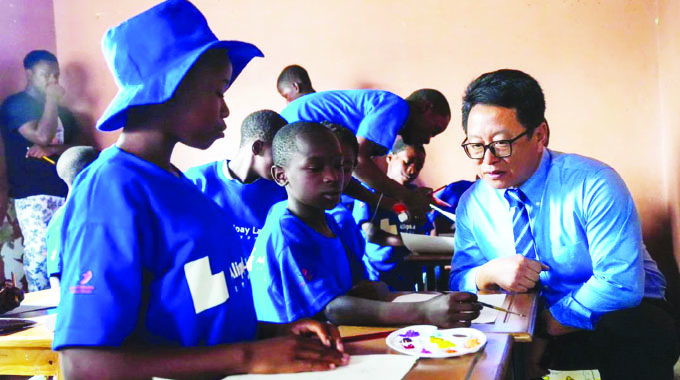
Gibson Nyikadzino Features Correspondent
It is just getting dark in the busy streets of Harare.
People are criss-crossing and zig-zagging past each other as they make solo sprints and marathons to catch transport to go home.
As the Hararians race against time, streetlights start attempting to brighten the surrounding environment, but the hovering darkness is getting stronger that the lights fail the illumination test.
At the corner of Sam Nujoma Street and Robert Mugabe Road is a meandering and haphazard stream of people looking for transport to go to Mabvuku-Tafara at an undesignated area. In a flash, a Toyota Hilux pick-up vehicle stops and commuters heading to Mabvuku-Tafara swarm the automobile.
A contest for stamina ensues as people jostle for a safe place. In a minute or so, the people appear to settle but not relaxed as the vehicle, unauthorised to carry passengers, takes off.
In the vehicle, there are neither smiles nor grins, everyone is minding their business, living to the biblical call that man shall eat of their sweat.
Suddenly a lady in her early 40s receives a call. Though from the other end of the call the voice is inaudible, the woman’s expressions, body language and voice tone communicate an unpleasant story.
“It is my daughter who is telling me that my young brother is destroying property at home,” she pauses.
“He is 17 years old, and is doing drugs. He dropped from school. He was in Lower Six,” she adds, as the other commuters share their sympathies, counsel and others become more inquisitive on the circumstances surrounding this lady’s brother.
That is another statistic!
Reports of drug and substance use and abuse in Zimbabwe paint a concerning picture of escalating prevalence of use, with consequences likely to see people admitted to mental health institutions for reportedly experiencing disorders.
Evidence shows that substance use, eating disorders, anxiety and mood difficulties are increasing as tens of millions of people suffer from drug use disorders globally.
Fighting unwanted statistics
As the world today commemorates the World Children’s Day, according to the United Nations Children’s Emergency Fund (UNICEF), children and adolescents worldwide are still facing the dangers and consequences of substance abuse and drug addiction.
This year’s theme for commemorations is: “For every child, every right.”
Drugs have been making their way to Zimbabwe through smuggling from Mozambique and South Africa by organised crime lords and syndicates, but some illicit brews are manufactured locally.
A 2019 report by the World Health Organisation (WHO) revealed that Zimbabwe has the highest rate of 15 to 19-year-olds engaging in heavy “episodic drinking” in Africa, with 70.7 percent of males and 55.5 percent of females participating. The same age group is also at the fore of drug and narcotics abuse.
Besides leading the fight through policy pronouncements, President Mnangagwa has gone further to use modern parlance and the lingo familiar with adolescents and youth when he urged the police to arrest drug peddlers and users.
“Police, batai akasticker, kana ava sober let him show you the source, then arrest the drug peddler,” he said.
Despite facing socio-economic hurdles, Zimbabwe is showing a renewed resolve to provide a comprehensive approach to address drug and substance abuse in the country.
On the other hand, stakeholders are creating synergies in communities with vulnerable kids, youth and idle adolescent populations, urging them to take drawing, painting, welding, sewing and carpentry lessons at community halls to make use of the time they have.
Keeping hope alive
Depression, the loss of hope, likely increases the risk of suicide for those in drug and substance abuse if they are not rehabilitated.
In times like these, a loss of hope for young Zimbabwean children who are caught up in the snares of drug abuse can have detrimental effects in their hearts, consequentially, affecting some areas in their lives. Lack of proper guidance has led to some living in the streets, becoming delinquents.
Some organisations in Zimbabwe have started hope therapy initiatives to encourage the youth to contemplate the future in a more positive way rather than as a projection of previous experience.
In Mbare, one of Harare’s oldest suburbs, life is also harsh for some young teenagers who are without proper family guidance. However, a hope therapy initiative was recently conducted at an orphanage and vulnerable children’s centre catering for over 360 kids to find ways to keep the dreams of the kids alive at a time the scourge of drugs abuse is sentencing and sending them to the gallows.
The centre, I am Zimbabwe Trust, recently received donations of drawing kits from the China Zimbabwe Exchange Centre (CZEC), supported by Alipay Lab.
A tripartite convention by the CZEC, the Harare City Council (HCC) and I am Zimbabwe Trust pledged to offer and uphold support to local communities and Government, to give children a deserving future that is free from drug and substance abuse.
“We want our kids to keep the hope of their dreams alive. No one should stop them from attaining their dreams, even drugs. We celebrate what we do for children because they must not surrender their dreams and aspirations because of drugs. Through painting or art, we would like to see our children excelling.
“We are behind the children and we will always support them,” said Mr Steve Zhao, the chairman of the CZEC when his organisation handed over drawing kits at I am Zimbabwe Trust.
Some revelations were also made that the CZEC and HCC are having discussions to avail to the former developmental land to build a school and centre in Harare that supports the dreams of young Zimbabweans.
The City of Harare is aware. Its social welfare department official Ms Ashleigh Mataure said the hope therapy initiatives to take youths out of drugs by other stakeholders help complement the efforts by city fathers in fighting drug abuse through its community centres.
“We have community centres in parts of Harare that equip all members with facilities to be specialised in trades like cooking, carpentry, welding and hairdressing. These are parts of efforts to help the youth and young adults not to fall into the drug trap,” says Ms Mataure.
Children are special
Mr Edward Samhembere, a co-ordinator and campaigner of children’s rights, acknowledges the special position children hold in society and admits identifying their potential and talents at an early age helps shape and nurture their future.
“These days some children are affected by difficulties and hardships in their families. Despite these difficulties, we want children to have safe spaces they live in because they are special to us and God-willing, they should have their talents make them succeed in the future,” says Mr Samhembere.
To strengthen the position of children in society, protection from all social ills remains an ideal target.
In an era where drug and substance abuse pose the most visible existential threat, Zimbabwe ought to maintain its quest to strengthen the prevention of substance abuse, and keep drugs and harmful use of alcohol away from children.


 Online Reporter