

 admin
admin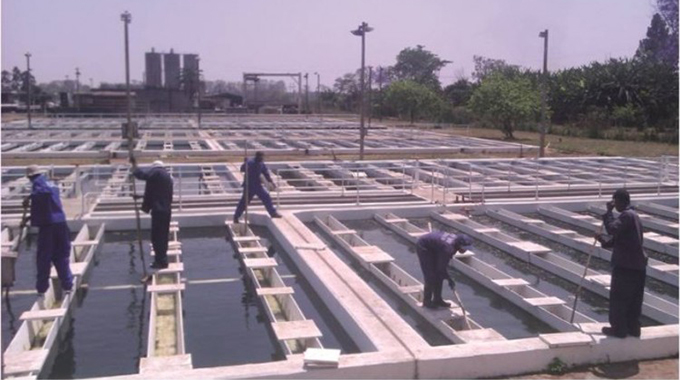
Lovemore Chikova Development Matrix
As the capital of Zimbabwe, Harare is naturally expected to lead the way in terms of showing other cities and towns how to develop a modern city.
And the capital has embarked on an ambitious vision to attain the world-class city status by 2025, well that is exactly five years from now.
A world-class city has numerous characteristics, and is not easy to achieve.
The characteristics include top-notch infrastructure, efficient transportation, a skyline decorated with skyscrapers, clean water, efficient waste management systems, and many others.
What this means is that city council officials simply have to pull an extraordinary feat if they are going to turn Harare into such a city within the remaining five years.
Vision 2025 was pronounced by the city officials several years ago, and by now residents expected to have seen some tangible achievements towards realising the goal.
While it is not advisable for the city to abandon this vision, it is equally important that the city officials work within a realistic timetable, considering the mammoth task they face.
Water crisis
It is unthinkable for Harare to be called a world-class city with the untenable water situation in the city.
Of course, the city authorities will be quick to point to the low water levels obtaining in major supply dams as the reason for the continuously dry taps that confront residents on a daily basis.
The city’s capacity to provide adequate and reliable supplies has been under the spotlight.
So many opportunities to make right the water supply situation have been lost, with corruption topping the list among reasons explaining such failure.
This brings to mind the US$144 million loan from China which was meant to revamp the major works at Morton Jaffray and rehabilitate the ageing piping system.
It has since been brought to the residents’ attention that almost half of the money was used on Morton Jaffray before the Chinese cited abuse of funds and withdrew the rest.
As a result, Morton Jaffray, which has a capacity of 604 mega litres a day is only pumping 350 to 380 mega litres against a requirement of about 1 200 mega litres a day.
The city officials clearly failed to handle the deal that could have helped them fulfil their vision of a world-class city by 2025.
There have been efforts to start the construction of Kunzvi Dam to the east of the capital as a permanent solution to the water woes facing the city.
Kunzvi might be constructed now, but as a long as the city council does not have will-power to bring water to the taps of residents, then the dam will not help much.
The city authorities know very well that the water supply infrastructure for Harare was originally designed by the colonial government to supply 350 000 people.
Although some upgrading was carried out in the early 1990s, there has not been any movement since then, a sign that the city council is not prepared for what it sets itself to achieve.
The population of Harare is growing, and considering that the city also supplies surrounding areas like Chitungwiza, Epworth, Ruwa and Norton, it becomes a mammoth task.
Proper planning and deliberate efforts could have saved the city in terms of being able to supply enough water and realise the status that it is longing for.
Garbage
This is another of the problems that stands between the city realising a world class status in 2025 and failure to do so.
Just why Harare is so dirty boggles the mind.
Garbage heaps have become so common everywhere in the city that they should have replaced normal sign posts.
“You go down this road past three garbage heaps and you will see a school with a garbage heap at the corner of the security wall, turn right at that garbage heap and head eastwards where you will see a church with a garbage heap at the front,” should be a common form of directing visitors.
What is clear is that the city council has given up on removing these mountains of rubbish, but what surprises is that it has not given up on its quest to attain world-class city status in the next five years.
City authorities simply have to come with a workable solution to make the city clean.
No visitors, let alone investors, would want to commit themselves to a dirty city like the situation obtaining in Harare.
Years of neglect by the city authorities have resulted in them being overwhelmed by the garbage that has exceeded their capacity to collect and convey it to dump sites.
The city authorities know very well sources this garbage — supermarkets, illegal vendors, households, hospitals, clinics and surgeries, yet little is being done to educate them on waste disposal.
Uncollected garbage has since downgraded the city’s status and it’s likely to take more years to recover from the dysfunctional garbage collection system.
Garbage does not grow into a “mountain” overnight, and city authorities have been watching while the rubbish gather from nothing until they are overwhelmed.
Sewage
Harare’s sewage system needs to be revamped if the city is to meet its targets of attaining world-class city status because the authorities cannot claim that prestige when residents are battling with rivers of flowing sewage.
In fact, the recurrent outbreaks of diseases such as cholera and typhoid in the city have been squarely blamed on the flowing of raw sewage in areas such as Glen View and Budiriro.
But these are not the only places suffering from sewage pipes bursts, as the problem is common in almost in every high density suburb.
This, again, is as a result of years of neglect as the city council failed to attend to the urgent need of revamping the sewage system.
This has left raw sewage flowing into yards, creating a serious health hazard.
Roads infrastructure
Driving on Harare’s roads has of late become a nightmare, with the negligence, especially in western suburbs having reached alarming levels.
Some of these western suburbs, where the majority live, no longer have any tarred roads to talk about.
The tarred roads are fast disappearing under the watch of the city authorities who are failing to take any action to rehabilitate them.
Potholes are multiplying on a daily basis, resulting in the city attracting lawsuits from motorists who have had their vehicles damaged.
The city council has to put more resources on the rehabilitation of the road infrastructure since it plays a major role in determining its status as a world class city.
A viable long-term solution is required to solve the bad road network, not only to enhance the city’s claim to world-class status, but also to facilitate economic development.
Dirty, dirty buildings
In the last few years, The Herald has carried headlines such as: “10 city buildings condemned”, “6 000 cling to condemned buildings”, Council loses war on condemned buildings”, “Condemned buildings’ owners, council showdown looms”, “Ultimatum for condemned buildings” and “Harare’s dens of lions”.
These headlines signify a problem that has been haunting the city, yet the authorities seem not to have urgency in addressing the problem.
Laxity and poor enforcement of by-laws by the city’s inspectorate department has seen companies operating from dilapidated buildings in the city centre, posing a serious threat to human life.
Some buildings that are found right in the city centre are now more of death traps, raising questions on the level of commitment by the city authorities to spruce up the capital city’s image and to maintain high safety and health standards.
The city’s mayor Herbert Gomba recently launched a programme to spruce up city buildings, starting with Town House.
But it seems this was not aggressively taken to owners of other buildings.
Yet, the outlook and beauty of the city contributes much to the city being recognised as world class.
Congestion/mushikashika
Just why the city has failed to deal with the menace caused by pirate taxis seems to have no proper explanation from the authorities.
These pirate taxis (known as mushikashika) have literally taken over roads in the Harare Central Business District.
They flout traffic rules at will, in the process causing vehicular congestion in the city centre.
It is unthinkable that some of the pirate taxis operate right at the doors of Town House, where Mr Gomba actually watches them through his window on a daily basis.
Haphazard Settlements
In recent years, Harare has been a host to illegal settlements that have been mushrooming in almost every direction, denting proper planning of the city.
These illegal settlements pose a huge risk to health and the quality of living.
The areas do not have the necessary amenities such as potable water and sewer systems, leaving the residents exposed to diseases. Planned settlements are important for a city to achieve world-class status, since they reflect on the organisational capacity. But in this case, Harare has already failed to meet this important aspect, a few years before 2025 where it expects to have meet all the requirements for a world-class city.



 Online Reporter
 Bongani Ndlovu