Online Reporter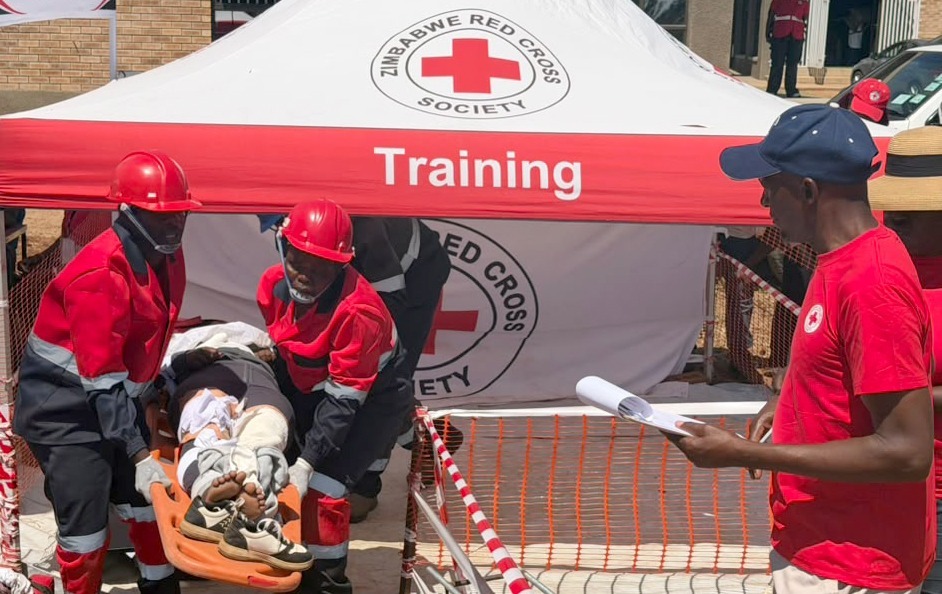
Sikhulekelani Moyo [email protected]
GOVERNMENT has called for expansion of first-aid training to schools, workplaces, mines, farms and communities, saying widespread life-saving skills can bridge the critical gap between the onset of an emergency and the arrival of professional medical help.
Civil Protection Unit (CPU) chief director Mr Nathan Nkomo made the call during the World First Aid Day commemorations hosted by the Zimbabwe Red Cross Society (ZRCS) in Bulawayo on Saturday.
He said first aid was particularly important in migration contexts and amid Zimbabwe’s increasingly complex disaster risks, including floods, droughts, cyclones, veld fires, disease outbreaks and road traffic accidents.
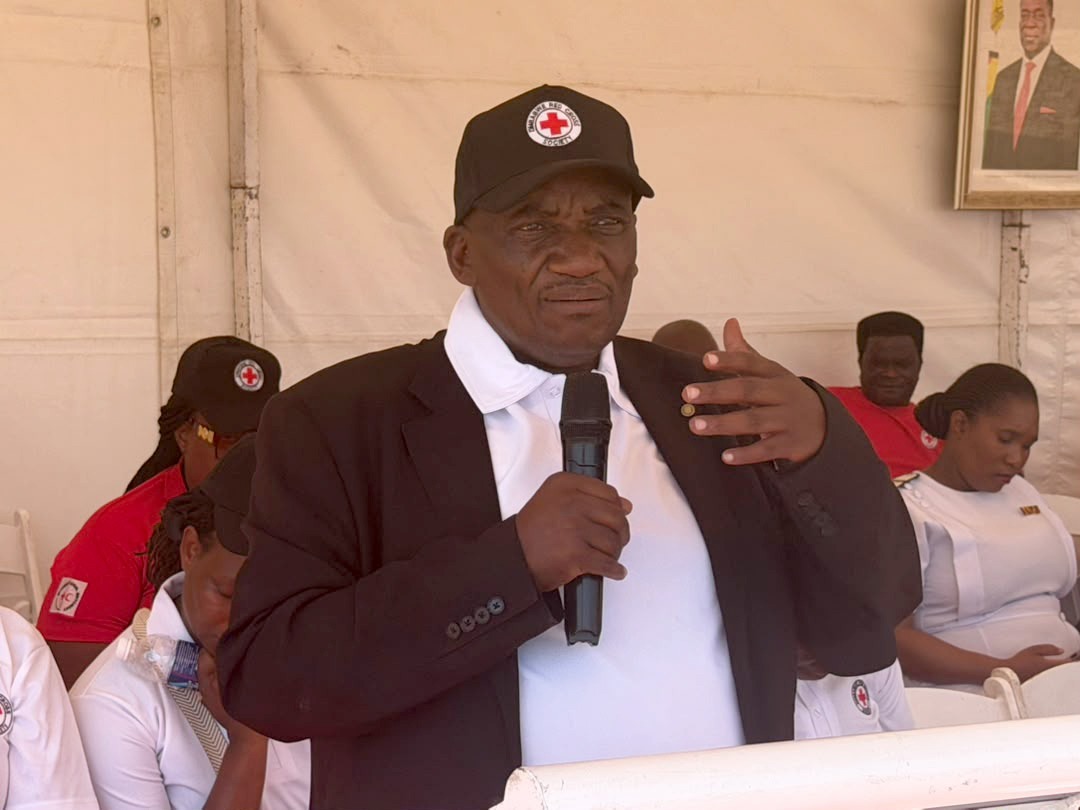
“World First Aid Day highlights the vital role of first aid in bridging the gap between emergencies and professional medical care, especially during the critical first minutes when timely action can save lives,” said Mr Nkomo.
“People on the move may face injury, illness, trauma, exhaustion, psychosocial distress and barriers to essential services, hence they may require assistance.”
This year’s theme: “First Aid in Migration Contexts”, focused on the needs of people who are displaced, travelling or returning home.
Mr Nkomo cited the recent Government-led repatriation of at least 150 000 Zimbabwean nationals from South Africa as an example of the humanitarian challenges associated with migration.
At the Beitbridge Reception Centre, the Zimbabwe Red Cross Society complemented Government efforts by providing bus fares, telephone services, phone-charging facilities and internet connectivity.
Mr Nkomo said the interventions were critical in a humanitarian operation of such magnitude, helping returnees reconnect with families, access information, make arrangements for onward travel and restore a sense of dignity.
“The society’s contribution demonstrates that humanitarian assistance goes beyond the provision of food, shelter and medical care. It is also about restoring dignity, facilitating communication, reconnecting families and ensuring that people are able to continue their journey home safely,” he said.
With Zimbabwe facing multiple and increasingly interconnected hazards, Mr Nkomo said disaster preparedness must extend beyond Government and emergency services.
He said the Zimbabwe Red Cross Society, under the Civil Protection Act, is recognised as an auxiliary to public authorities and sits on the National Civil Protection Committee.
Government is also pursuing a new Disaster Risk Management Bill aimed at strengthening coordination in disaster preparedness and response.
Mr Nkomo said a whole-of-Government and whole-of-society approach was required, bringing together ministries, departments and agencies, local authorities, security services, humanitarian organisations, the private sector and communities.
“Trained first aiders at reception centres, border points, transport hubs and within receiving communities can provide critical lifesaving assistance before professional medical care becomes available.
“The migration dimension of first aid must therefore remain central to our national preparedness and response arrangements,” he said.
Mr Nkomo called on the Red Cross to continue expanding first-aid training and incorporating it into preparedness exercises at all levels.
The call comes as the country seeks to strengthen community resilience against emergencies, with trained first aiders potentially providing immediate assistance before ambulances or other professional responders arrive.
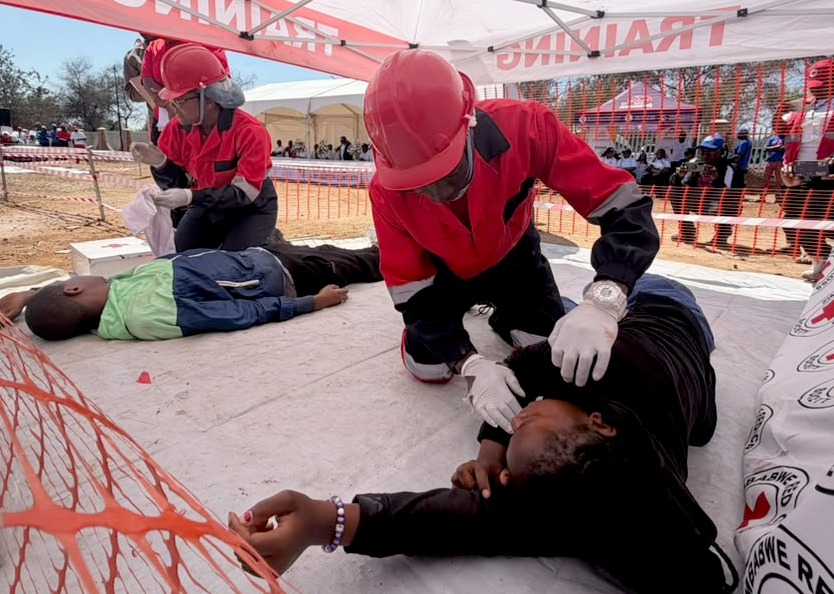
Mr Nkomo also commended teams that participated in first-aid demonstrations and competitions during the commemorations, saying the exercises highlighted the importance of continuous practice.
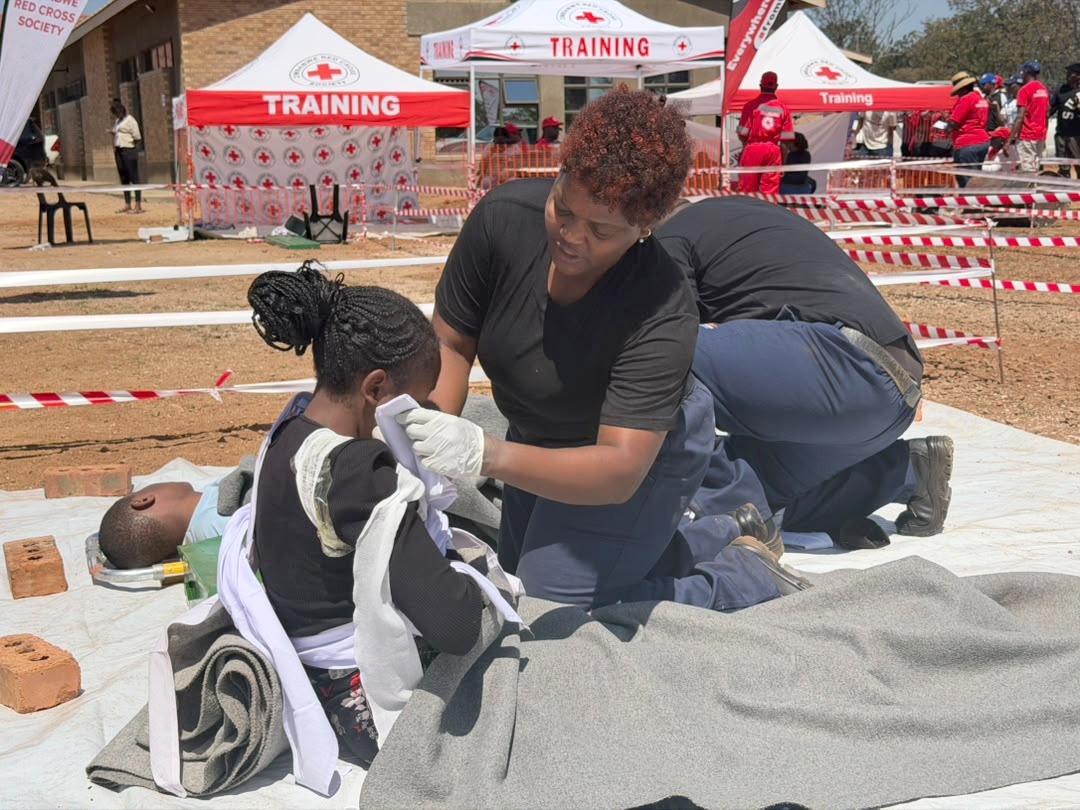
“The scenarios presented have provided a valuable reminder that emergencies demand more than good intentions. They require people who are trained, confident and able to assess a situation, make the right decisions and provide the correct assistance at the right time,” he said.
“While competitions naturally produce winners, the greatest victory is the collective strengthening of our national capacity to save lives.”
Mr Nkomo reaffirmed Government’s commitment to working with the Red Cross to strengthen disaster preparedness, anticipatory action and response.
“As Government, we reaffirm our commitment to working closely with the Society to strengthen national disaster preparedness, anticipatory action and response.
“As we commemorate World First Aid Day 2026, let us remember that resilience is built before disaster strikes,” he said.
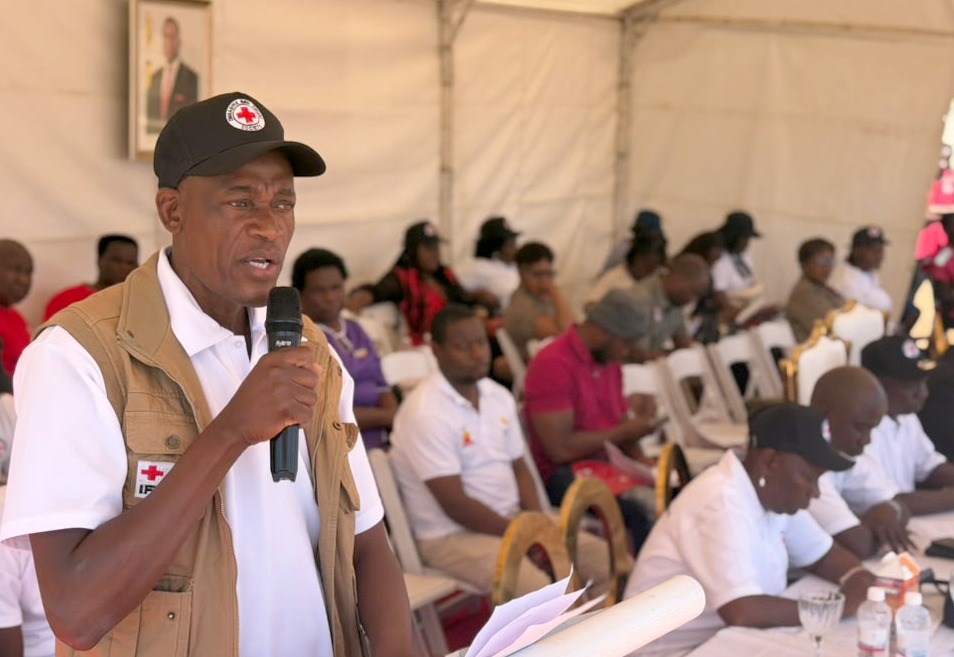
ZRCS secretary-general Mr Elias Hwenga said their organisation remained committed to expanding first-aid training across the country.
“The Zimbabwe Red Cross Society has long been at the forefront of providing critical first aid services and training. Our commitment to this cause is unwavering, driven by a deep-seated belief that everyone, regardless of their background, should have access to life-saving knowledge and skills,” he said.
Mr Hwenga said the migration theme highlighted the need to respond to exhaustion, physical trauma and distress among migrants and displaced people.
“Our programmes are designed to address the unique challenges and scenarios that arise ensuring that individuals are well-prepared to respond swiftly and effectively to injuries,” he said.
In solidarity remarks delivered through an audio message, the International Federation of Red Cross and Red Crescent Societies stressed that first aid was rooted in humanity and could be provided by ordinary people when properly trained.
“Today reminds us of one simple but powerful truth, each and any one of us can save a life,” the IFRC representative said.
“First Aid is the responsibility of everyone, a trained teacher can save a life, a trained student can save a life, a trained kombi driver can also save a life, a trained community volunteer can save a life, a trained migrant can save a life.
“Every human life has equal value. It does not matter where a person comes from… When someone is injured or in danger, our first response should be compassion.”
The IFRC urged Zimbabweans who are not trained in first aid to register with the Zimbabwe Red Cross Society.
The commemorations began with a march through Bulawayo’s central business district to the ZRCS facility at Makhosi along Lady Stanley Avenue.
The programme also featured first-aid competitions involving teams from industry, the private sector, Government and various Red Cross units and services.
World First Aid Day is observed annually on the second Saturday of September and was commemorated this year on September 12.
The day was established by the International Federation of Red Cross and Red Crescent Societies to promote awareness of first aid and its role in saving lives.