admin
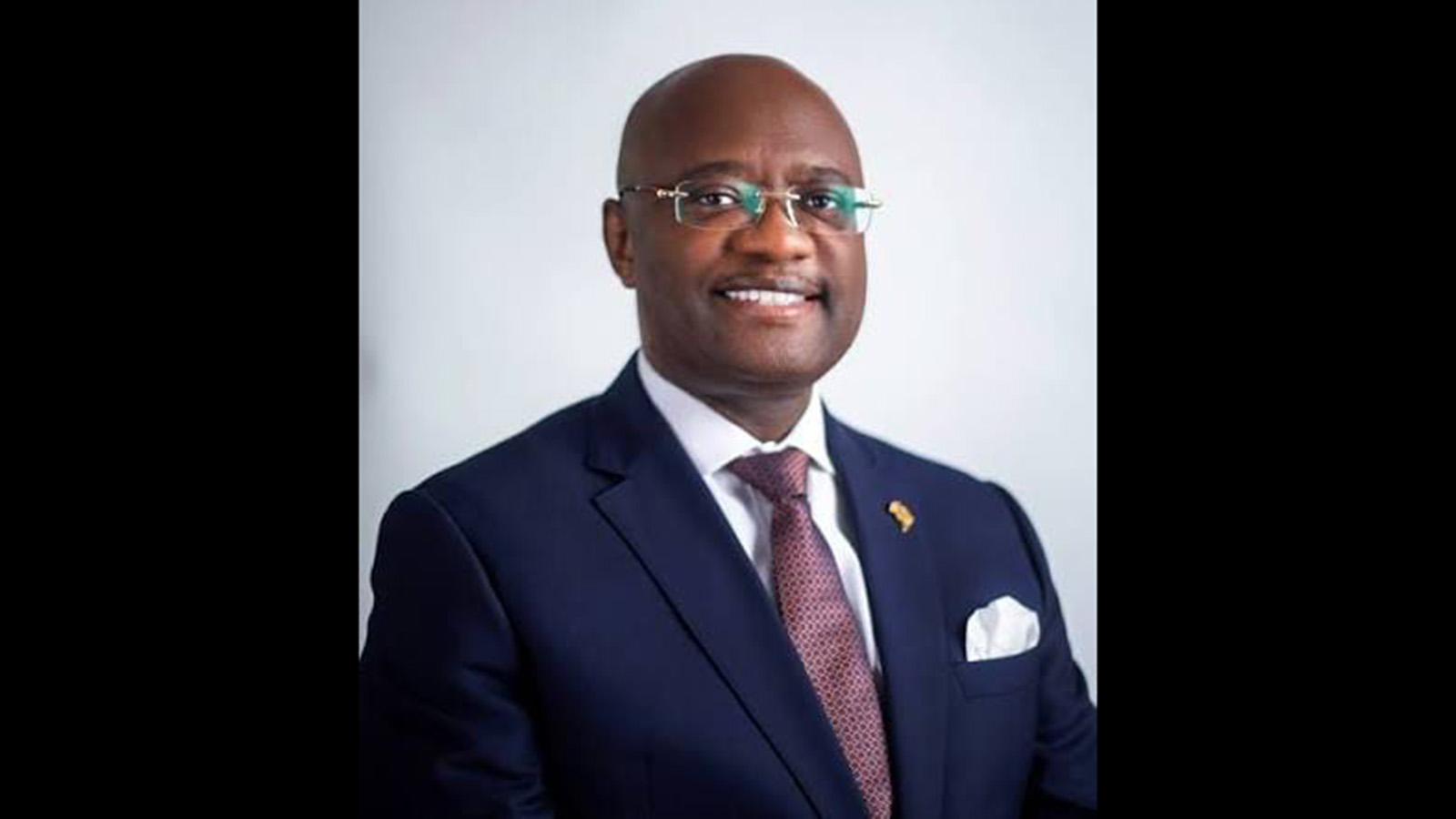
adminDr Charity Binka
Correspondent
Yesterday, was the 2021 World Malaria Day.
The commemoration of the 2021 World Malaria Day provides another opportunity for countries to focus on malaria and step up the fight against the disease, that is preventable and treatable disease, yet continues to claim hundreds of thousands of lives each year.
The theme for the Day is ‘Zero Malaria Starts with Me/ Draw the Line Against Malaria’, a theme which builds on the “Zero Malaria Starts with Me” campaign movement started nearly three years ago. The idea for choosing a theme similar to the one used in previous years is to highlight the successes of countries around the world and to inspire a new group of countries that have the potential to eliminate the disease by 2025.
Over the past two decades, great progress has been made in the malaria fight, saving more than seven million lives and preventing over one billion new malaria cases. In 2019, the global tally of malaria cases was 229 million and the disease claimed some 409 000 lives in 2019 compared to 411 000 in 2018. The African Region for its part continues to shoulder more than 90 percent of the overall disease burden.
Since 2000, the region has reduced its malaria death toll by 44 percent, from an estimated 680 000 to 384 000 annually.
However, progress has slowed in recent years, particularly in countries with a high burden of the disease.
The African Media and Malaria Research Network (AMMREN), a Pan-African media advocacy group of journalists and scientists working together to rid the world of malaria, thinks that it is not acceptable that thousands of people, mainly children and pregnant women continue to die needlessly of a disease that could be prevented and treated.
AMMREN is therefore urging all stakeholders to step up the fight against malaria.
The emergence of COVID-19 in 2020, posed an additional challenge to the provision of essential health services worldwide and threatened to disrupt malaria prevention efforts. At the start of the pandemic, the WHO had estimated that malaria deaths could double in the worst-case scenario.
However, many countries and partners responded quickly and effectively to protect decades of progress made against malaria, ensuring campaigns were delivered on time.
As we celebrate the 2021 World Malaria Day AMMREN applauds these countries and partners for their resilience in the face of adversity.
In spite of this achievement, there is no room for complacency. According to WHO’s latest World Malaria Report, progress against malaria continues to plateau, particularly in high burden countries in Africa. The WHO report indicates that a funding shortfall at both the international and domestic levels, poses a significant threat to future gains.
In 2019, total funding reached US $3 billion against a global target of $5.6 billion, leading to critical gaps in access to proven malaria control tools. As a result of Covid-19, there is an increase in the number of people reluctant to seek medical care when experiencing a fever, thus threatening efforts to control malaria across the continent.
The WHO also warns that even moderate disruptions in access to treatment could lead to a considerable loss of life. The 2020 World Malaria Report, for example, notes that a 10 percent disruption in access to effective antimalarial treatment in sub-Saharan Africa could lead to 19 000 additional deaths in the region. Disruptions of 25 percent and 50 percent in the region could result in an additional 46 000 and 100 000 deaths, respectively.
According to WHO global projections, the 2020 target for reductions in malaria case incidence will be missed by 37 percent and the mortality reduction target will be missed by 22 percent.
This, indeed is a worrying projection that must be taken seriously.
AMMREN believes that malaria can be defeated with concerted efforts by individuals and governments of countries where the disease is endemic. The Network is also of the opinion that the disease can be subdued with the current available tools for prevention, diagnosis and treatment.
AMMREN supports the statement of the WHO Director-General Dr Tedros Adhanom Ghebreyesus that “It is time for leaders across Africa — and the world — to rise once again to the challenge of malaria, just as they did when they laid the foundation for the progress made since the beginning of this century.”
The WHO Director notes that “Through joint action, and a commitment to leaving no one behind, we can achieve our shared vision of a world free of malaria”.
AMMREN adds its voice to the call of the WHO to all people living in malaria affected countries to “beat the fear”.
People with a fever should go to the nearest health facility to be tested for malaria and receive the care they need, within the context of national Covid-19 protocols. In addition, individuals have a responsibility to use the treated mosquito nets and other available tools.
Unless countries find innovative ways to mobilise adequate resources to bridge the funding gap, malaria resurgence will likely take many more lives on the Continent.
Certainly, this is not the time for countries with a high burden of malaria to lose ground. It is important to note that malaria elimination is possible and critical to fighting other current and future diseases that may emerge.
AMMREN is therefore calling on governments of malaria endemic countries to invest in the fight against malaria to fill the funding gap.
Dr Charity Binka is the Executive
Secretary, African Media and Malaria
Research Network



 Online Reporter