Online Reporter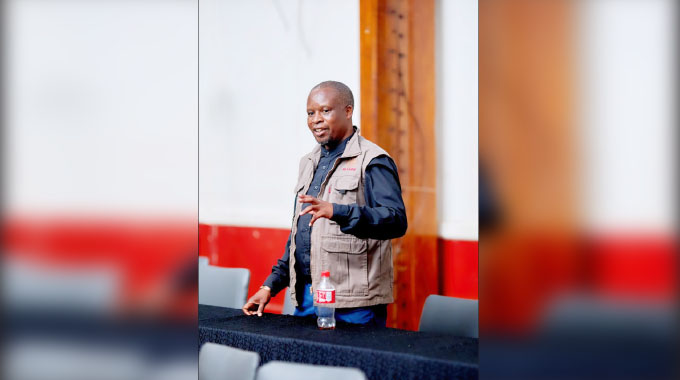
Langalakhe Mabena/Trust Khosa, Zimpapers Arts and Entertainment Hub
For many years, theatre has been used as a pivotal space for social commentary, cultural exploration, entertainment and profoundly educating members of the society.
Theatre has not just been for entertainment as it has been used as a tool for community engagement, education and raising awareness about societal issues.
Bulawayo has long been a hub for vibrant theatre and performing arts, as the city boasts a rich cultural heritage. Its theatre scene has played a vital role in preserving and promoting the nation’s history, traditions and stories. The Bulawayo Theatre and Intwasa Arts Festival have been providing platforms for various forms of performing arts, including theatre. However, the theatre scene in the city has faced challenges, including limited funding, inadequate spaces for performances and struggles to attract younger audiences.
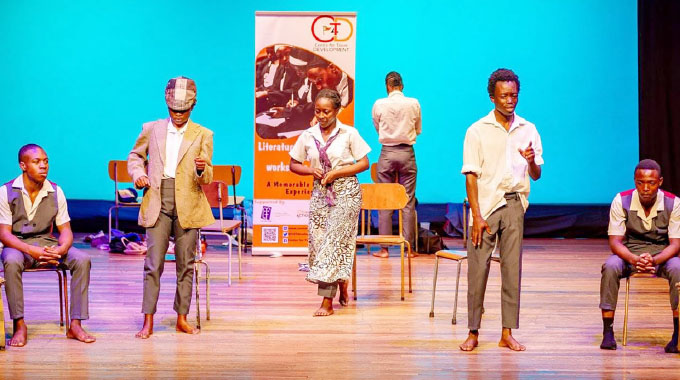
As the universe celebrated World Theatre Day yesterday, likely due to these factors, Bulawayo had no activity or rather a play that was portrayed in the city’s theatre spaces in commemoration of the day.
With the city known to be a cultural hub in the Zimbabwean artistic space, it was a shame for local theatre practitioners to not fully celebrate such an important date on the calendar, especially considering how talented the city is when it comes to curating plays.
One of the arts doyens, Raisedon Baya, who is regarded as the cornerstone of theatre, was a disappointed man. He said theatre practitioners have let down theatre lovers as they robbed them of not consuming anything stage-related in commemorating World Theatre Day.
“Today (yesterday) marked World Theatre Day, and I was filled with a mixture of sadness and guilt. I had hoped to celebrate by attending a live performance, but unfortunately, I was not aware of any shows happening in my city.
“Last year, I vowed to do something to commemorate this day, but time slipped away and I did nothing. Now, I’ll likely hear speeches about the importance of theatre, but honestly, theatre doesn’t need words — it needs action. It needs to be seen, to be experienced,” said Baya.
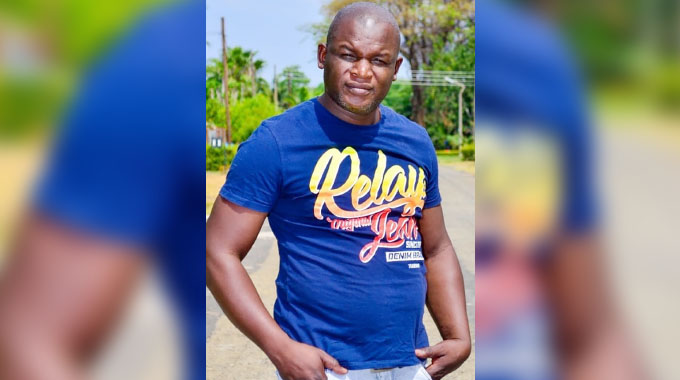
Despite having talent in the city, Baya said there are many reasons why theatre is low in Bulawayo, including cutting corners, lack of resources, personnel, venues, lack of good material to produce as well as lack of producers and directors.
“There are a lot of things we’re not doing right. First, we are all busy training actors, but theatre makers are not actors. Actors are mostly performers. We are not producing playwrights to create or write plays.
“We aren’t producing directors to direct the actors we are producing as well. We aren’t producing producers to put together productions. Our biggest mistake is we are cutting corners – creating this belief that an actor will write, direct and produce their own plays. It’s a totally wrong approach,” said Baya.
Celebrated theatre playwright and teacher Thabani Hillary “TH” Moyo, who is the visionary behind Centre for Talent
Development (CTD) — a theatre organisation specialising in using live theatre acts to advance inclusive and exciting academic packages, said a lot needs to be done to make theatre great again in Zimbabwe.
“Theatre used to be cherished in Bulawayo and Zimbabwe as a whole and it seems people are slowly losing interest in the craft. To make theatre great again, I believe there is a need to have increased funding and infrastructure support.
“We also need more structured mentorship for young artistes and enhanced collaboration between schools, theatre companies and the corporate sector.
“Policies that promote local productions, better marketing strategies, and the revival of dedicated performance spaces would also help grow audiences.
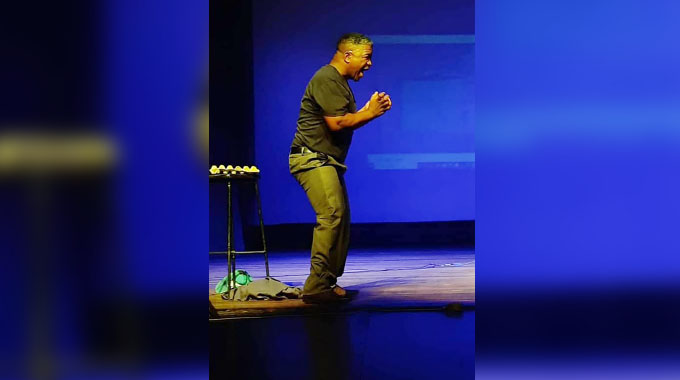
“Additionally, we need to integrate theatre more deeply into the education system and foster community engagement to ensure its sustainability and wider appreciation,” said Moyo.
Another thespian, Zenzo Nyathi, shared his disappointment about the current state of the sector.
“I’m not happy with how the theatre sector has been. I haven’t been happy for a long time,” he expressed.
Memory Kumbota said World Theatre Day is a time to acknowledge the profound impact of theatre on our lives and to promote its continued growth and development.
“As a sector, I’m confident that we’re making progress. For me, it’s not just about performances on this day; it’s a moment to reflect on what more we can do to expand the sector, create more performances and establish new spaces and audiences throughout the year,” he said.
Local theatre gurus in Harare, led by Daniel Maposa, agreed that World Theatre Day should not go unnoticed.
“World Theatre Day is an important occasion for the theatre sector both globally and in Zimbabwe. It provides an opportunity for theatre practitioners to reflect on the progress made and the challenges still facing the industry,” said Maposa.
“In Zimbabwe, the sector grapples with numerous challenges, including inadequate financial, institutional and policy support. We also mark this day at a time when theatre is no longer a fully-fledged degree programme, particularly at the University of Zimbabwe. This could lead to future skills gaps and intellectual deficiencies, ultimately hindering the growth of the industry.
“However, this day is also about celebrating achievements. Despite these challenges, the resilience of the theatre sector is commendable. We hope to use this moment to strategise and implement robust plans for its growth,” he added.
Jasen Mphepo, of Jasen Mphepo Theatre in Harare, also shared the significance of the day.
“World Theatre Day showcases the incredible diversity of theatre practices, traditions and styles from around the world. By celebrating this day, we recognise the role of theatre in our lives, foster a sense of community, and promote deeper appreciation for this ancient yet vibrant art form,” he explained.
Mphepo, who owns one of Harare’s prominent arts business spaces, said they hosted over 90 students, mostly juniors from Heritage High School. They showcased three short, thought-provoking plays and complemented them with poetry performances.
Meanwhile, renowned filmmaker Daves Guzha, who is on an international tour, has promised theatre lovers in the capital city exciting projects upon his return. Guzha runs regular plays and mentorship programmes at Harare’s Theatre in the Park.
It is hoped that the challenges faced by the theatre industry will be addressed so that local thespians can continue to create and perform with passion, revitalising the sector and bringing greater recognition to local talent.