Online Reporter
Emmanuel Koro,Features Correspondent
A lot of people involved with developing Artificial Intelligence (AI) believe that learning how to communicate with animals could allow the US and China to deal more easily with political subjects. The new technology has already demonstrated that it can accomplish some amazing feats without man’s intervention.
However, many fear that AI could quickly spiral out of human control. The New York Times warns that we have almost run out of time to keep the Human Race ahead of the Silicon Race (AI).
The challenge is whether the world’s two AI superpowers — the United States and China — can put aside their geopolitical rivalries to work together to control AI in the future without stifling the innovative contributions we now know it is capable of making in our lives.
Earlier this month, I was shown an early draft of a White Paper that seems to offer a ground-breaking way to move forward with AI in this and other problem areas.
The paper has subsequently undergone multiple revisions. The final detailed version is set for release next week.
Meanwhile, the White Paper suggests that if the US and China joined forces on a non-controversial AI project, the trust and methods built could help tackle tougher global challenges — from Taiwan and the South China Sea to the Middle East, Russia, drugs and more.
The White Paper also ominously points out that if the AI matter is not resolved soon, we may never get a crack at those other issues. Put simply, the Silicon Race may not give the Human Race a chance to fix anything or bring other entities into the AI developmental process.
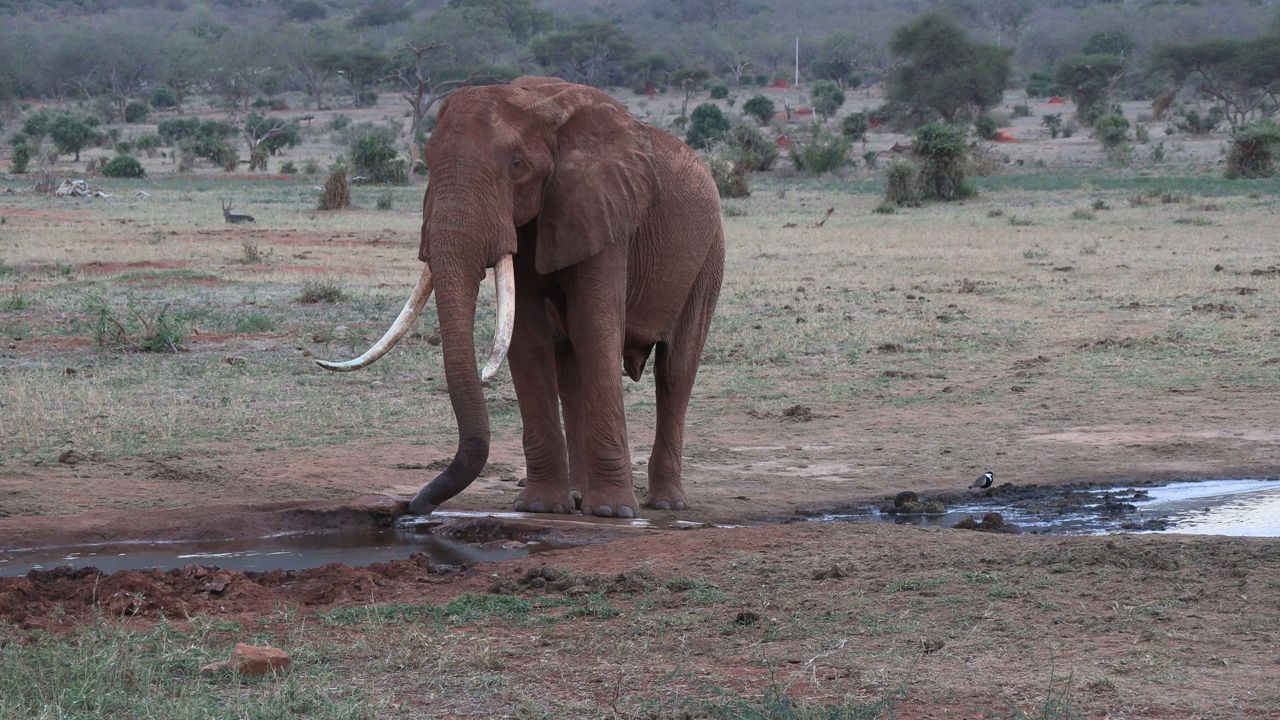
If Washington and Beijing can agree to work together to use AI to provide the means for humans to “talk” to animals or unravel how criminals use the Internet to trade illegally in endangered species, it may build the trust and momentum needed to set guardrails/safety measures on AI for all of its other activities.
The idea to use AI to help the US and China work together on how to talk to animals comes from ivory and political expert, Mr Godfrey Harris.
Mr Harris, the managing director of the Los Angeles-based Ivory Education Institute, envisions the UN Convention on International Trade in Endangered Species (CITES) November 2025 meeting in Uzbekistan as an important platform to start exploring these ideas. He suggests that the project should involve the cooperation of one or more Southern African governments. Will anyone have the interest to step forward and be part of humankind’s future?
If the final version of the White Paper includes details on how this AI initiative might be accomplished, we will definitely cover them here in the coming days.
*Emmanuel Koro is a Johannesburg-based international award-winning environmental journalist who writes independently on environmental and developmental issues.