Online Reporter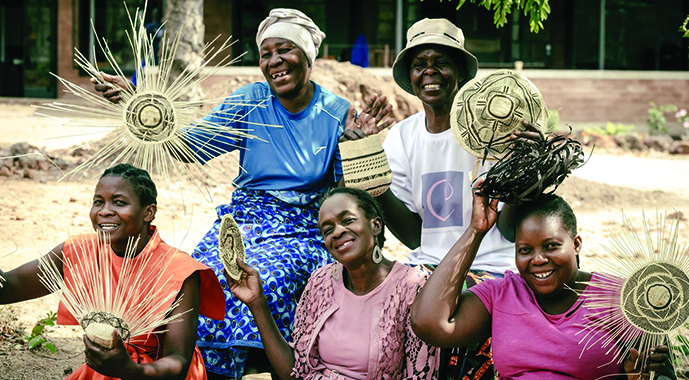
Mbulelo Mpofu, Zimpapers Arts and Entertainment Hub
THE organic, centuries-old weaving traditions of Zimbabwe’s Tonga people took centre stage at Milan Fashion Week, becoming the soul of Satoshi Kuwata’s Setchu Men’s Spring 2026 collection. On Friday, June 20, the renowned Japanese designer and 2023 LVMH Prize winner unveiled a collection that fused ancient African craft with cutting-edge Japanese artistry. The result was a stunning collaboration that pushed the boundaries of fashion, proving that a fishing trip to Victoria Falls could inspire a global movement on the runway.
Kuwata’s journey began, unexpectedly, with a fishing rod in hand. An avid angler, the Kyoto-born, Milan-based designer travelled to Victoria Falls, Zimbabwe, drawn by the allure of catching the formidable tiger fish. “It’s one of the best fishing destinations to catch a tiger fish,” Kuwata recalled.
Yet, the true catch of the season proved far more profound than any aquatic prize. Through an introduction facilitated by LVMH Métiers d’Art — a division dedicated to preserving and promoting exceptional craftsmanship — Kuwata connected with the Jafuta Foundation and its local partner, Batoka Creatives. This serendipitous encounter introduced him to the Tonga tribe and their centuries-old palm-weaving heritage, particularly the distinctive, free-form Tonga basketry.
“I met this tribe called the BaTonga tribe,” Kuwata explained. “I found that the very famous one is the weaving basket, which is quite different from any other country.”
He was captivated by their unique “Wun-Wun” technique. This method, he noted, “is based on how the weaver feels in that second, not an order you follow, so they make a unique organic shape.” He immediately recognised a kinship with the intuitive, non-prescriptive creative processes found in rural Japan. This wavy, seemingly random construction became the central, unifying theme of his Milan collection.
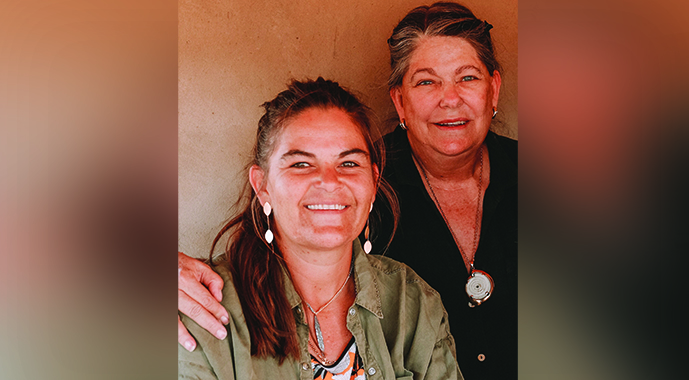
For months, Christie Halsted Sabag, Creative Director of Batoka Creatives, and Yvette Rupiya, Head Skills Trainer and Co-ordinator of Beading and Weaving, worked tirelessly alongside a group of exceptionally talented Tonga women weavers. Their mission was to translate Kuwata’s vision into sculptural woven pieces destined for the global stage.
“Our hearts are bursting with Zimbabwean pride as Tonga basketry from Victoria Falls graces the Milan Fashion Week runway!” Sabag declared.
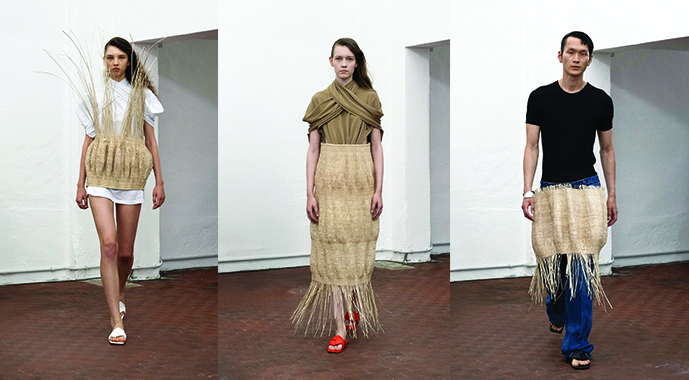
The collaboration proved transformative for both sides. Sabag described it as “a truly playful, fun, and organic experience.” She elaborated that with Satoshi, “a master of blending traditional craftsmanship with contemporary fashion, the only limit was time.” Sabag added, “Satoshi found remarkable similarities between our traditional weaving techniques and those he grew up with in rural Japan, and he was captivated by the way Zimbabwean women mould and drape fabrics.”
Crucially, Kuwata empowered the weavers. “He encouraged our weavers to embrace freeform, organic shapes, allowing the authentic integrity of Zimbabwean craftsmanship to truly shine,” Sabag said.
This wasn’t merely about accessorising with baskets; the partnership shattered conventions. “This partnership pushed us to think outside the box, reimagining the traditional uses of our woven items beyond baskets to include clothing, bags, and vases,” Sabag emphasised. “The collaboration truly breathed new life into our traditional weaving heritage.”
They primarily employed the fundamental “over and under” weaving style, finishing pieces with a signature coiled rim featuring a herringbone pattern — a detail that found its way into the collection’s intricate textures.
Kuwata’s immersion in Zimbabwe extended beyond technique. Observing the landscape and culture sparked a conceptual shift. “The way people instinctively mould and wrap clothing around the body sparked new ideas about primal dressing,” he reflected. “The pureness of intent and the timelessness of these gestures are what tie Africa and Japan together.”
This philosophy of instinctive wear and timelessness permeated the Milan collection. His signature transformative elements — utilitarian pieces morphing shape and fit through “a profuse use of zips, snap buttons and buttons” — were “refreshed with crafty flourishes.”
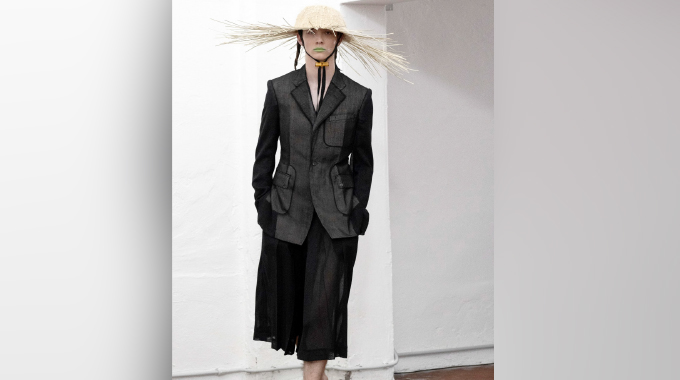
Sculptural bodices and skirts, wide-brimmed hats, and the collaborative woven baskets themselves accessorised the looks — some radiating charm, others bordering on the whimsical. The Tonga weaving technique wasn’t merely an embellishment; it informed the very structure and texture of the garments.
He channelled the instinctive approach through draped tops and shirts with sleeves artfully wrapped around the neckline, and through exaggeratedly oversized denim and cargo trousers held precariously low on the hips by thin straps.
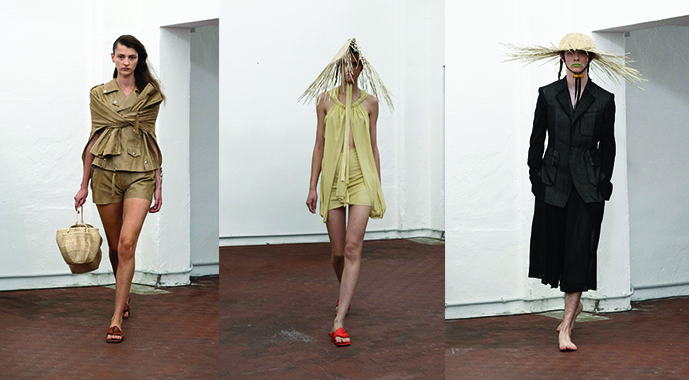
The ethereal beauty of Victoria Falls inspired diaphanous layers. Kuwata presented “transparencies, lightweight dresses and flimsy little frocks” that captured the colours and misty mood of the falls, showcasing these alongside his core utility and sartorial constructions.
A standout innovation was a series of field jackets featuring integrated handles in the collar, transforming them instantly into functional totes — a perfect encapsulation of Setchu’s ethos.
“I like the idea of something timeless, yet you can enjoy every time you transform into something,” Kuwata stated, defining the essence of his brand. His grounded perspective was equally evident: “I’m not famous, I think I can do whatever I want. Not many people know exactly what I am, so I’m just trying to be who I am.”
The path from Victoria Falls to Milan was not without obstacles. Sabag candidly shared the challenges they faced: “tight deadlines and the crucial task of translating English instructions into local languages without losing the original meaning or objective.”
Success demanded resilience and belief. “Overcoming these challenges required us to remain calm, acknowledge our limitations, and most importantly, cultivate a steadfast belief in the possibilities,” she said.
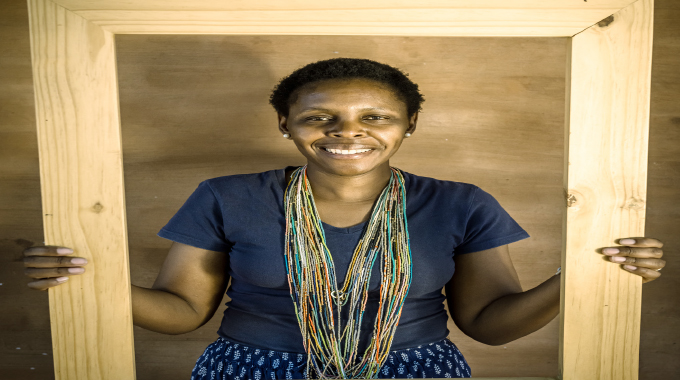
For the Tonga weavers themselves, the context of their work was almost abstract. Rupiya pointed out, “These talented women had no idea who Satoshi or LVMH were, nor the elite audience of Milan Fashion Week.” They simply revelled in doing what they do best: weaving some truly fantastical shapes. This purity of focus resonated deeply with Kuwata’s appreciation for “the pureness of intent.”
The resonance of seeing their heritage elevated on fashion’s most prestigious stage is immeasurable for the Tonga community. Rupiya stated, “This extraordinary exposure will undoubtedly instil a new level of confidence in us, empowering us to attempt even more unusual and innovative creations.” This international validation, she added, “highlights that what we often take for granted locally is, in fact, highly sought after, admired, and valued by the international fashion community.”
This recognition promises tangible benefits. “This can only be incredibly beneficial for the many local weaving communities in Zimbabwe, bringing much-deserved international recognition to their exceptional skills,” she noted.
Ultimately, Rupiya sees this as vital preservation. “This collaboration breathes new life into our ancient traditions, ensuring our vibrant culture continues to thrive and inspire the next generation.”
Gail van Jaarsveldt, Founder and Director of the Jafuta Foundation and Batoka Creatives, expressed immense pride.
“We are immensely proud to have facilitated the journey of these exceptional Zimbabwean women’s heritage artistry onto the world’s highest fashion stage,” she said. “Our deepest gratitude goes to Satoshi Kuwata for his incredible vision in showcasing the power of traditional craft across countries.”
“It was through LVMH Métiers d’Art that we were introduced to Satoshi Kuwata, who, in turn, has opened doors to other luxury goods markets for us,” Sabag acknowledged.
Looking ahead, Batoka Creatives envisions a significant role in the global fashion ecosystem.
“We in Africa possess incredible creative potential, but what we truly need are markets and buyers, and a concerted effort to raise awareness for our dying traditional skills,” Sabag asserted, outlining the challenge.
Yet, the future is bright. “Zimbabwean creatives are truly amazing, and we foresee a very bright future, especially with the invaluable support of powerhouses like LVMH Métiers d’Art,” she stated.
This collaboration is a cornerstone: “This is a vital step in helping us believe in ourselves here in Zimbabwe, proving that we create more than just curios and trinkets. Our artisans are highly skilled and industrious, and they absolutely deserve international recognition for their incredible talent.”
Kuwata’s Setchu — meaning “fusion of cultures” — lived up to its name on the Milan runway. His deep respect for Italian tailoring, honed through apprenticeships on Savile Row and stints with houses like Givenchy, blends seamlessly with Japanese minimalism and technical ingenuity (informed by masters from Miyake to historical figures like Vionnet), and now, vividly, with the primal, organic artistry of Zimbabwe’s Tonga weavers.
Follow on X @MbuleloMpofu