Online Reporter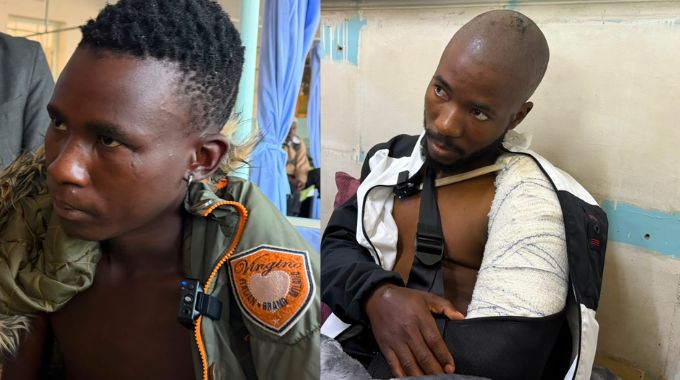
Peter Matika, Senior Reporter
TWO Zimbabweans who recently returned home from South Africa after suffering harrowing ordeals linked to the recent wave of xenophobic attacks have recounted their traumatic experiences, with one sustaining life-threatening stab wounds during violent protests, while another was involved in a road traffic accident but failed to access medical attention because he was a foreign national.
Their stories come as the Government continues to facilitate the safe return of Zimbabweans fleeing the unrest, while health institutions have assured the public that they are adequately equipped to provide medical care to returnees requiring treatment.
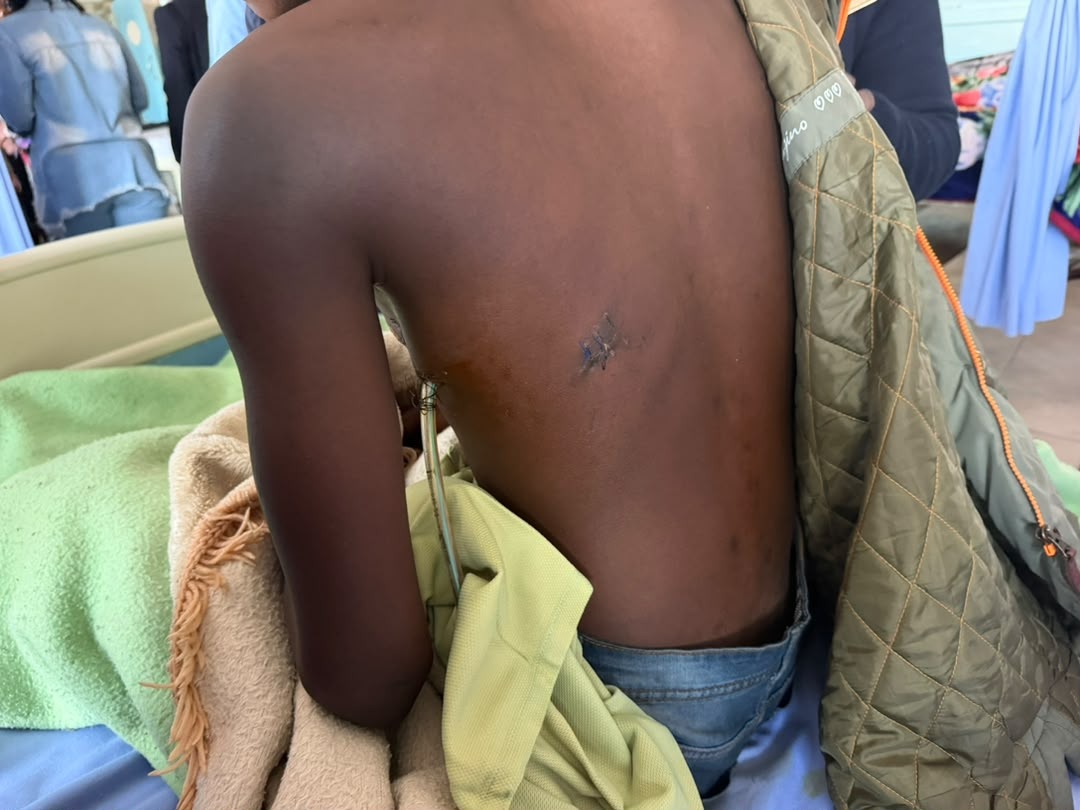
One of the returnees, Mr Thandanani Sithole (22), who left Zimbabwe for South Africa in 2019 in search of greener pastures, remains admitted at Mpilo Central Hospital after suffering a serious stab wound on his back during attacks targeting foreign nationals.
The young man, originally from Gwanda but now settled in Kezi, said he sustained a near-fatal injury when violence erupted during anti-foreigner protests.
He has been receiving treatment at Mpilo Central Hospital for more than a week since his return to Zimbabwe.
Speaking from his hospital bed, Mr Sithole said the attack changed his life in an instant.
“I had gone to South Africa hoping to improve my life, but everything changed during the protests. I was attacked and stabbed in the back. The injury was severe and I feared for my life,” he said.
“Coming back home has given me hope again. I am grateful for the treatment I have been receiving at Mpilo Hospital. The doctors and nurses have been very supportive and they have done everything possible to help me recover,” he said.
Medical personnel said Mr Sithole, continue to make encouraging progress under close observation.
Another returnee, Mr Mthabisi Sibanda (25) of Emganwini suburb in Bulawayo, narrated what he described as a painful experience after being involved in a road traffic accident in Kempton Park in South Africa.
Mr Sibanda, who migrated to South Africa in 2021 before returning home five days ago, said the accident left him in severe pain, but he was allegedly denied proper medical treatment because he was a foreigner.
He said medical personnel only administered painkillers before instructing him to leave the health institution.
“I was injured in an accident and I genuinely believed I would receive treatment like any other patient,” Mr Sibanda said.
“They only gave me pain relieving tablets and told me to leave. I was informed that medical assistance was reserved for South Africans and not foreigners. It was heart-breaking because I was in pain and desperately needed proper medical attention,” he said.
Mr Sibanda said the experience demonstrated the extent to which some foreign nationals were being marginalised during the unrest.
“No one should be denied medical treatment because of where they come from. We are all human beings and deserve to be treated with dignity, especially when injured,” said Mr Sibanda.
His account comes amid growing concerns over the humanitarian impact of xenophobic violence, which has forced hundreds of Zimbabweans and other foreign nationals to return home after facing intimidation, assaults and discrimination.
Medical experts in Zimbabwe have, however, assured returnees that local health institutions remain ready to attend to their needs.
Mpilo Central Hospital acting Chief Medical Officer Professor Solwayo Ngwenya said the hospital stands prepared to manage all returnees requiring medical attention.
He said the hospital has mainly attended to patients presenting with relatively minor ailments, including stomach irritations, but had the capacity to manage more complex cases.
“Mpilo Central Hospital is fully prepared to receive and manage returnees presenting with different medical conditions. We have the expertise, equipment and personnel to ensure they receive appropriate care,” said Prof Ngwenya.
“So far, the majority of those who have come through our facility have presented with relatively minor ailments such as stomach irritations, while others require routine assessments following their return.”
Prof Ngwenya said healthcare should remain a universal right regardless of nationality.
“It is deeply disappointing to hear allegations that injured people were denied proper medical assistance because they were foreigners. As medical practitioners, we take an oath to preserve life and provide care without discrimination. Medical treatment should never be determined by one’s nationality.”
He said Zimbabwe’s health professionals would continue providing compassionate care to all returning citizens requiring medical attention.
The returnees’ testimonies add a human face to the ongoing repatriation exercise, which has seen the Government, working with local authorities, churches and humanitarian partners, facilitate the safe return and reintegration of Zimbabweans affected by the unrest in South Africa.
Authorities have repeatedly assured returning citizens that adequate arrangements have been made to provide temporary accommodation, food assistance, transport and access to healthcare where necessary, as efforts continue to ensure that those fleeing violence are reintegrated into their communities with dignity and support.