Online Reporter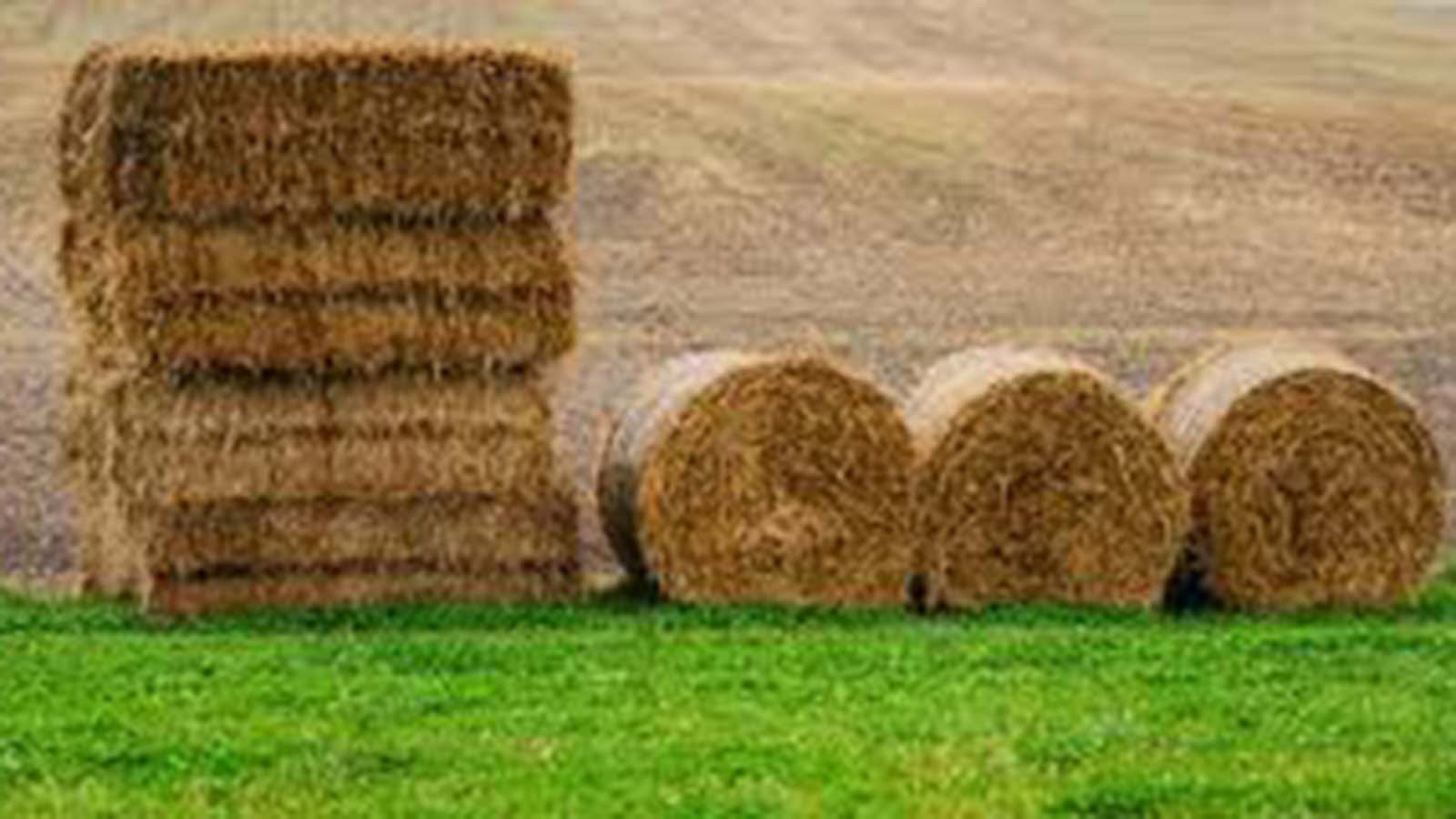
Judith Phiri, Sunday News Reporter
THE Government has urged farmers to accelerate cutting grass and baling hay to preserve livestock feed and protect the environment instead of burning it, in the face of the predicted El Niño phenomenon.
Global weather models have indicated a 90 percent probability that the El Nino weather event will develop during the 2026/27 summer growing season.
Just like other countries that will be affected, in Zimbabwe the El Niño phenomenon severely cripples the agricultural sector as it induces widespread crop failure and devastating livestock losses due to dried-up water sources, resulting in massive food insecurity.
With the official fire season drawing closer which runs from July 31 to October 31, the driest period of the year when vegetation becomes highly flammable, farmers have been called on to take hay baling seriously.
“The short message is that bale it, do not burn it. So, wherever you see grass, the message is to bale it. Across the country we know that after the season that we have had, which was very good, there is abundant grass, but now we are going into the fire and dry season.
“The advice for is that farmers must bale grass as much as possible,” said Ministry of Agriculture, Mechanisation and Water Resources Development, Permanent Secretary Professor Dr Obert Jiri during a tour of BJ Ellerman and Sons Farm in Ward 11 of Mangwe District, Matabeleland South on Saturday.
Matabeleland South was the most affected province to record high El Niño-induced drought cattle deaths in the 2023/24 season.
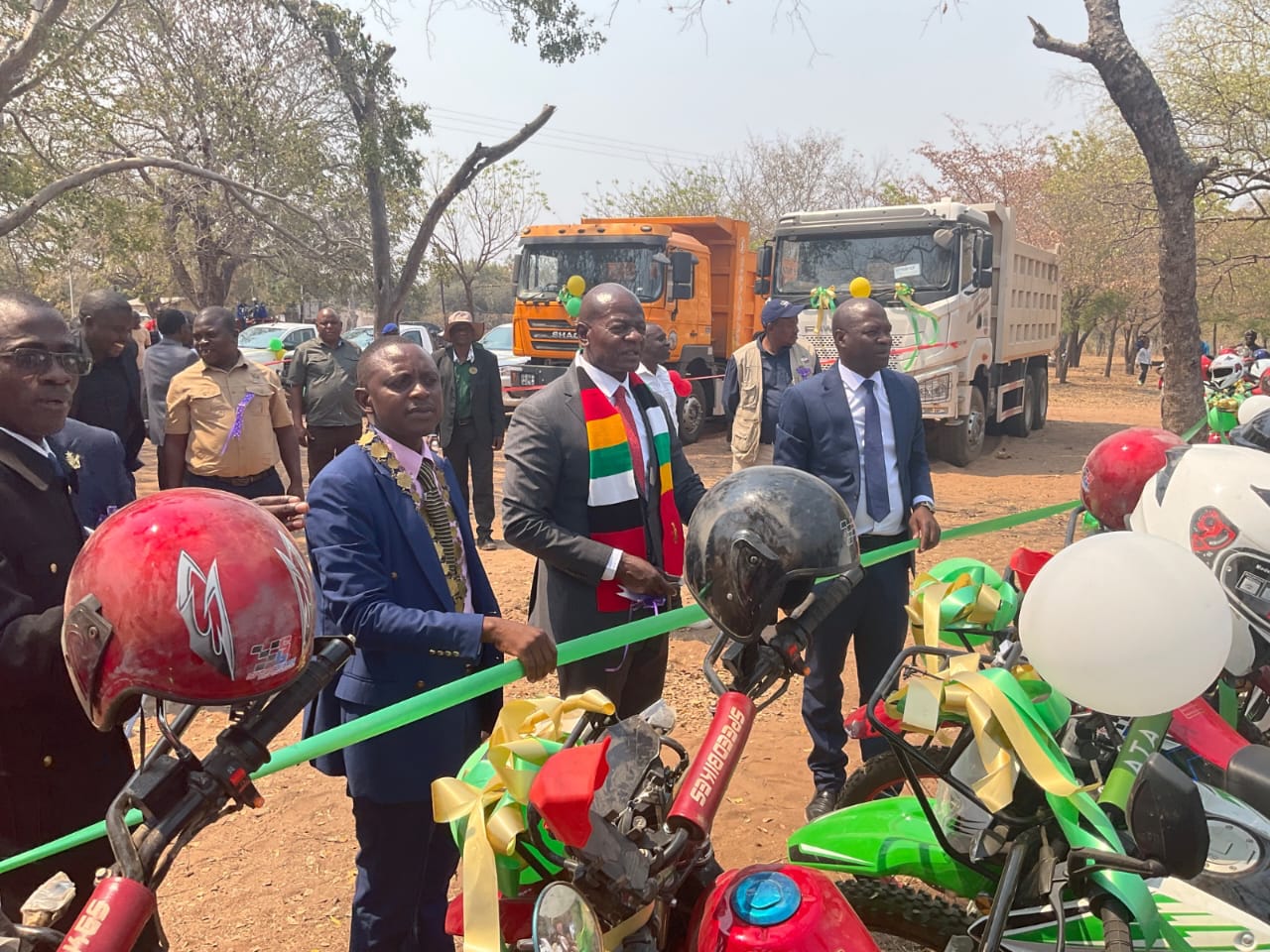
Prof Jiri emphasised to farmers that as Government they have put in place at least five tractors, five balers and mowers in each province to ensure that as the dry season comes, farmers must be able to use those for baling.
He said: “We expect at least seven million bales to be done by the end of this bailing season. That is the aim of the Government, but we are also looking at this winter season where we are producing wheat and all the wheat straw that is being produced, we expect that as well to be baled, so that it becomes livestock feed come the dry season.”
The Permanent Secretary said in 2024 they put in place a Statutory Instrument (SI) which allows wheat straw to be used as stock feed, while it is still standing and that no wheat straw must be burnt.
He said as the lean season for livestock was here, feed becomes critically important, while silage making was one of the key ways to cushion farmers during the period.
“Those that have already made silage, they have already prepared. We do have farmers of course who make silage in abundance to be able to support the other farmers who may not have the ability to make it,” he added.
“In 2024, we identified critical wards in the country when we had that drought, these were 635 critical wards with livestock but no feed resource. We are assessing that again this year as we go into the lean and drier season to identify these wards and we will concentrate this time around on ward drought mitigation centres.”
Mr Paul Ellerman from BJ Ellerman and Sons Farm said this year they had baled between 5 000 to 7 000 hay bales which they were selling to other farmers as well.
“Not only do we do baling and selling, but we also assist farmers who have grass that they need baled and share on an 80:20 ratio. We supply most of the bales to farmers as far as Brunapeg, Plumtree, Gwanda, Kezi and Bulawayo as well as other parts of the country,” he said.
He said with a cattle herd of over 160 and 450 sheep, the hay was also used for silage for feed and especially pen-fattening.