


 Andrew
Business Reporter
The Zimbabwe National Chamber of Commerce (ZNCC), a membership-based organisation that lobbies on behalf of private business organisations, says the year will close on a high note owing to the obtaining stability in the market.
It also expects the trajectory to continue into the new year.
ZNCC president, Mr Mike Kamungeremu, said despite the challenges experienced earlier in the year, Government had shown leadership and determination to resolve market volatility.
“We appreciate the role that was played by gold coins … and, as we are speaking, the bigger backlog from the (foreign currency) auction system has been cleared,” he said. He said businesses are now beginning to source foreign currency from the interbank market, which is presently running on a willing-buyer, willing-seller system.
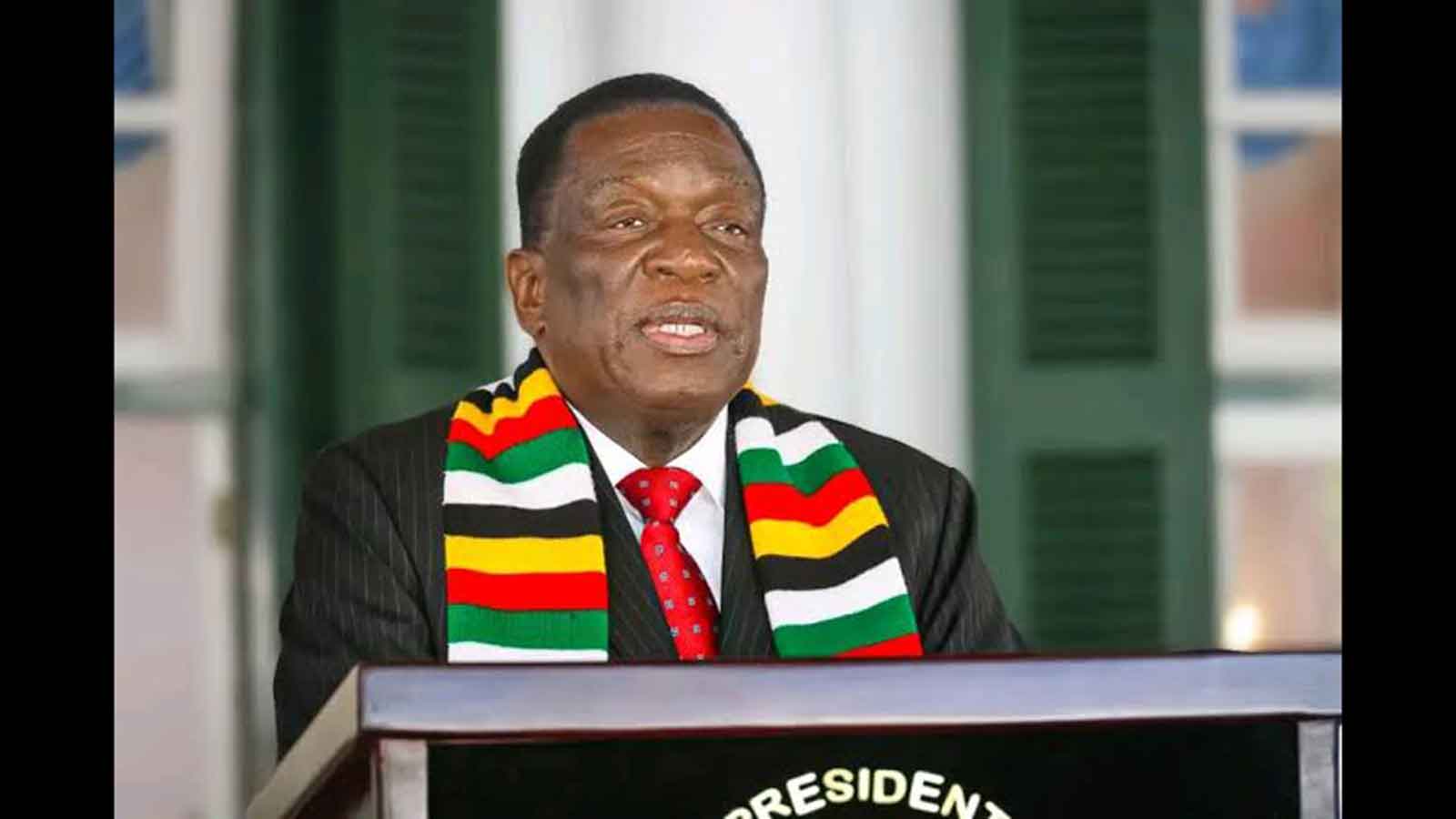
The current stability follows a raft of measures announced by President Mnangagwa to tame foreign exchange rate fluctuations and curb speculative behaviour.
Following the interventions, inflation began to decelerate from a month-on-month figure of 25,6 percent in July to 12,4 percent in August before settling at 3,5 percent in September 2022.
Authorities have resolved to maintain a tight monetary policy stance to deal with internal and exogenous factors that are feeding into price increases.
Black market and formal foreign currency exchange rates are presently moving towards stability. ZNCC, Mr Kamungeremu added, had already started conducting consultations for the 2023 Budget.
It has already conducted two sessions in Harare and Bulawayo.
He also said the US$100 million Diaspora bond the Ministry of Finance and Economic Development is working on could potentially be used for infrastructure development. The surrender requirements for exporters, which presently stand at 40 percent, deserve a re-look, he added, including the 20 percent liquidation of foreign currency cash deposits.
Economist Mr Prosper Chitambara said key economic indicators such as inflation have started to decline as a result of measures put in place by Government.
“We expect this downward trend to continue until year-end. The projected improvement in the winter wheat production is also a boon for the economy and should moderate food inflation,” he said.
Another economist, Mr Clemence Machadu, said during the greater part of the year, the economy witnessed market distortions, which also caused currency volatility and speculative behaviour.
“However, interventions from the Government managed to address that and there is stability that should now be built upon to grow the economy and foster other key macroeconomic fundamentals,” he said.
The World Bank believes Zimbabwe has strong economic foundations in the form of excellent human capital, rich resources and recent policy reform efforts, which are critical towards driving productivity and achieving the aspirations of Vision 2030.


 Bongani Ndlovu