Online Reporter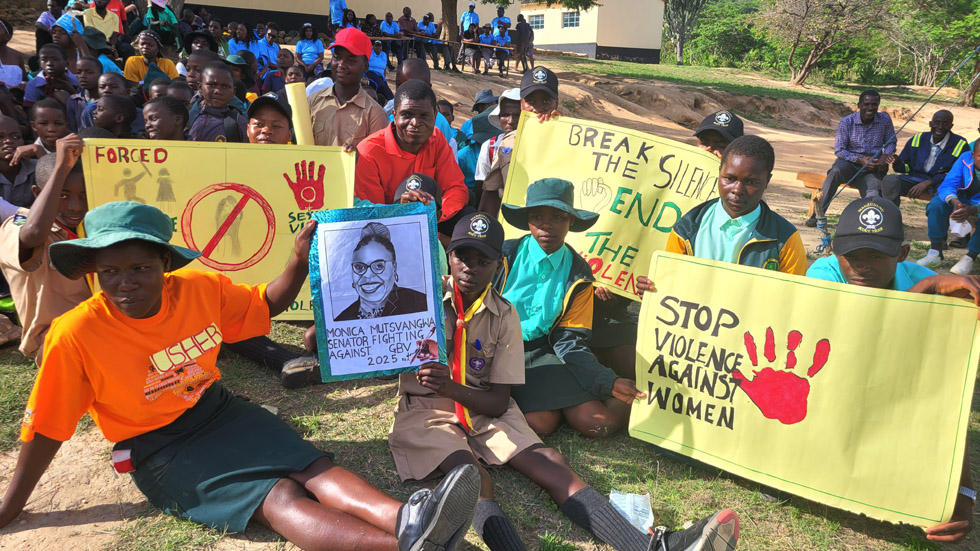
Tendai Gukutikwa
Post Reporter
THE orange glow of the 16 Days of Activism Against Gender-Based Violence (GBV) may illuminate calendars for a few weeks each year, but in Manicaland, the harsh reality it seeks to highlight persist long after the campaigns conclude.
Daily, the province’s girls navigate a world that has become increasingly hostile, both offline and online, with statistics that tell a story as heartbreaking as it is urgent.
Last year, a total of 13 353 teenage girls were recorded as having fallen pregnant in the province, with over 160 of them failing to return to school. Behind every number is a child whose chances of realising her full potential has been diminished long before adulthood.
It is, not just the scale of the crisis that is shocking, but the speed at which vulnerabilities are multiplying.
Sexual abuse, poverty, coercion, harmful cultural practices, and predatory adults have long endangered girls in the province.
However, threats now also follow them into digital spaces, where many once sought freedom, learning, and connection.
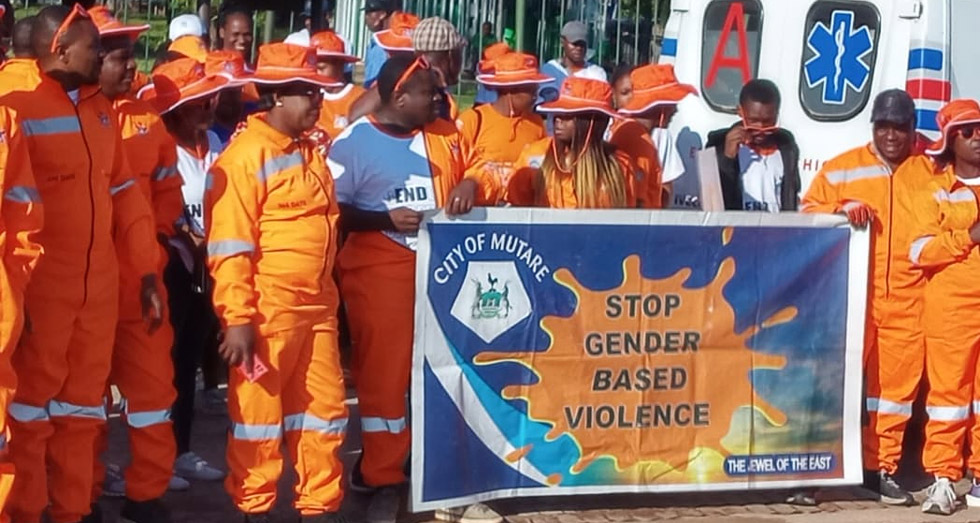
“Violence is no longer confined to homes or physical spaces. Perpetrators are exploiting digital tools to extend their reach. Technology has become a new arena for abuse, control, and exploitation,” said Women Affairs, Community, Small and Medium Enterprises Development Minister, Senator Monica Mutsvangwa during last week’s 16 Days of Activism Against GBC commemorations in Mutare.
Her words serve as a stark warning, resonating across Manicaland’s communities.
The incident involving two Masasi High School learners accused of drugging, raping, and filming a 17-year-old classmate is a disturbing example of the evolving nature of violence against girls.
The attack, which was recorded and circulated online, highlights the rapid spread of digital violence, leaving the victim and others traumatised.
“The attacks spread fear, damage reputations, and silence women’s voices. In the worst cases, they lead to offline violence and even femicide,” said Minister Mutsvangwa.
For the Masasi victim, the assault did not conclude in the secluded forest where the boys allegedly drugged her.
It followed her onto phones and social media platforms, replayed repeatedly in private chats and public gossip.
She was humiliated, not just once, but on countless occasions.
The boys, aged 16 and 17, are awaiting trial, while she, under the care of social authorities, carries both trauma and the burden of public scrutiny.
Cases like hers expose the depth of the crisis in Manicaland, illustrating how violence adapts to every new platform and exploits every gap in protection.
For the hundreds of girls forced into early motherhood, the violation is quieter but no less devastating.
“The province continues to record high cases of gender-based violence, including child marriages. My ministry is deeply worried by these numbers,” said Minister Mutsvangwa.
Her concern is shared across the province, where school officials, parents, leaders, and child rights advocates are struggling to keep up with the rising tide. In Chipinge and Mutare rural, the districts leading in teenage pregnancies, classroom desks sit empty where girls once dreamed of becoming nurses, teachers, lawyers, or entrepreneurs.
Some never return after giving birth. Others vanish into marriages arranged under the guise of culture or economic survival.
National Aids Council Manicaland monitoring and evaluation officer, Mr Sibert Hlatywayo, described the situation as deeply troubling in a previous interview with The Manica Post.
He noted that over 13 000 pregnancies in one year represent not just lapses in sexual health education, but widespread exploitation and unchecked abuse.
“We are talking about children carrying children. We cannot normalise this,” he emphasised at the launch of the NotInMyVillage campaign.
Some families view early union as an escape from poverty, while certain religious sects prioritise obedience and early marriage over safety and education.
In many cases, perpetrators walk free, while survivors carry lifelong scars.
Minister Mutsvangwa challenged communities to face these realities without sugar coating them.
“It is disheartening to realise that often, online violence targets the most promising women and girls. These are young people who should be using digital spaces for education, expression, and empowerment,” she said.
She warned that when girls withdraw from online platforms due to abuse, society loses their voices, voices already under threat in classrooms, homes, churches, and workplaces.
Manicaland has established four One-Stop Centres in Makoni, Chipinge, Mutare, and Chimanimani, offering legal, health, police, and psychosocial support.
Three safe shelters provide temporary refuge for survivors.
“The shelters offer not just accommodation, but counselling and economic empowerment training. We are committed to ensuring survivors rebuild their lives,” said Minister Mutsvangwa.
However, infrastructure is only part of the solution.
Minister Mutsvangwa stressed that the fight against gender-based violence demands vigilance, knowledge, and collective commitment.
“Laws alone are not enough. Everyone needs practical tools to stay safe online. Knowing how to protect accounts, recognise abuse, report it, and support those targeted is key,” she said.
She urged communities to develop a digital culture rooted in respect, accountability, and equality, and appealed to online service providers to remove offensive content, enhance reporting systems, and invest in identifying harmful content.
Her strongest appeal was directed at ordinary citizens:
“This is the time to break the silence and speak out. Enough is enough.”
Despite legal reforms, girls continue to face preventable dangers.
Early marriage remains outlawed, yet 161 Manicaland girls left school last year to become brides, including twelve who had not completed primary school.
Minister Mutsvangwa called for deeper involvement of men and boys, saying, “Ending GBV requires us to condemn all forms of violence and support every survivor without exception.”
She emphasised that Manicaland must treat every teenage pregnancy as a red flag, not a statistic, and defend every girl’s right to safety, whether on the street, in the home, at school, or online.