Fatima Bulla Musakwa
Features Writer
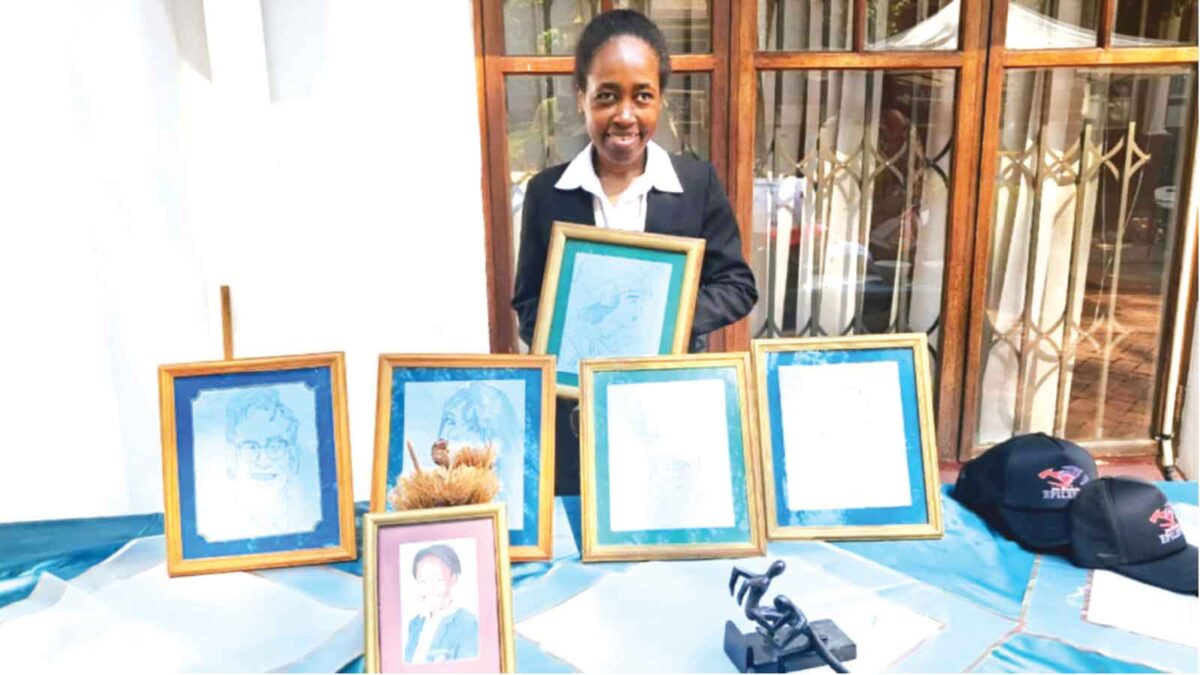
TRISH Shumba marvels at how far she has come and what she has achieved in her 37 years of life, despite living with epilepsy.
Epilepsy, as defined by specialist family physician Dr Billy Rigava, is a chronic neurological condition characterised by a persistent tendency to experience recurrent seizures caused by abnormal, excessive, or synchronous electrical activity in the brain.
Despite living with the condition, Trish seized an opportunity in 2014 to pursue her dream of becoming a teacher, after her mother, Mrs Tsitsi Shumba, discovered her teaching talent while she conducted lessons at the family school.
However, her family harboured deep-seated fears about how she would cope outside their care in a world where stigma and discrimination remained pervasive.
They worried about her safety and future as she ventured into an environment they feared could be unforgiving.
Nevertheless, through sheer determination, Trish embarked on professional teacher training. Rather than allowing the condition to dictate her future, she turned adversity into strength, dedicating her life to educating learners and progressing from Early Childhood Development (ECD) to high school teaching.
Remarkably, she never experienced an epileptic seizure in front of her learners, and at one point, the attacks stopped altogether.
Today, Trish reflects on how far she has come in pursuing her goals while battling a condition that can strike without warning, leaving her vulnerable to her surroundings and temporarily helpless.
“I am really good at English and computers. My mother discovered that when I was teaching my nephew, and then other children. Learners who are now doctors, pharmacists, nurses, and stage drama performers came through my hands. Some have grown even taller than me; I struggle to recognise them,” she said.
For Trish, living with epilepsy has been a complex and distressing sensory experience. During a seizure, she is unaware of what is happening around her.
Her mother tells her that she blacks out for at least 15 minutes, a period during which she has no recollection of her surroundings.
“It’s like a dead person has resurrected; that’s what it feels like,” Trish said, describing her experience. “I hear noises, like people talking in whispers, yet it won’t be a whisper.”
As the seizure subsides, dizziness and headaches set in. Her vision also becomes blurred, making people and objects appear distant.
As she gradually recovers, the voices become clearer, and her vision improves.
People living with epilepsy can experience seizures differently, ranging from brief lapses in awareness and involuntary muscle jerks to severe convulsions.
Trish’s journey began in 1989, when she was born prematurely through a Caesarean section. Her mother first noticed that something was wrong when she was three years old.
As a trained special education teacher, Mrs Shumba’s professional background proved valuable. She noticed that her daughter’s right hand repeatedly shook in what appeared to be seizures.
Recognising that the movements were unusual, she understood that they required medical attention. She also noticed that her daughter’s head appeared to be growing abnormally large, raising further concerns.
The diagnosis of epilepsy brought considerable fear to the young couple, despite Mrs Shumba’s background in special education, which had already exposed her to the challenges parents face when raising children with disabilities.
Experiencing those challenges with her own child, however, proved particularly difficult.
One of the couple’s greatest concerns was Trish’s physical safety. They worried about what could happen if she experienced a seizure away from home, playing with other children, or later when she started school.
They were also deeply concerned about the social stigma associated with epilepsy and how others might treat their daughter.
“We worried about her safety, education, interaction with others, and what her future would look like as she grew up,” Mrs Shumba recalled.
To manage these risks, the couple diligently followed the doctor’s prescriptions and instructions while closely monitoring Trish’s progress.
They also ensured that she was cared for by trusted individuals who genuinely had her best interests at heart. Since both parents worked, finding a caregiver who understood her condition was essential.
When Trish started attending creche, her parents met with her teachers to explain her condition and ensure they understood how to care for her.
They followed the same approach at primary and secondary school, as well as whenever she moved to a new institution.
Beyond her siblings, the parents extended this awareness to relatives, church members, and neighbours to help them understand the condition.
Despite these efforts, Trish and her family could never be fully prepared for the seizures, which took a heavy emotional toll on them.
Trish became increasingly aware of her condition during primary school, when her first seizure-related experiences at school exposed her to name-calling, mockery, and abuse.
During this difficult period, one teacher reportedly called her a “deformed child” and treated her like an outcast because part of her face had been scarred by falls sustained during seizures.
“I felt abused verbally, physically and mentally. This stigma and discrimination made me question why I was different from other children,” she said.
Another terrifying seizure that traumatised Trish and set her back occurred when she was in Form Three at Gateway High School.
Known for her eloquence and command of English, she was excited about delivering a speech on what would become a fateful day.
However, that morning, she suffered a seizure while in the bathtub with hot water running.
A house helper walking down the corridor heard Trish scream and struggled to open the locked bathroom door.
Her parents and sisters rushed to the scene and, after several minutes, managed to break down the door.
By then, Trish’s feet had been severely scalded. The sight of her injuries was heartbreaking. She spent about three months in hospital as doctors worked to heal her wounds. During her recovery, Trish underwent skin grafting, with skin taken from her thighs to cover the damaged areas on her feet.
“With epilepsy, sometimes you learn to cover up the reality of your situation. For instance, I used to smile at people, making it seem I was okay, but inside I was not. When I had the bathroom attack, I did not look at myself. Each time I look at my feet, I see something else. It feels like I don’t have feet; it’s traumatising. But I am more confident now because I realised that you mature as you face your own reality,” she said.
The experience served as a brutal reminder of how unpredictable and dangerous seizures could be. Beyond the deep trauma and uncertainty they caused, the seizures exposed Trish to suffering she could not control.
The experience reinforced the family’s awareness of the importance of safety and proper care for people living with epilepsy.
“If I don’t take pills at the time that I am supposed to take them, after two to three days I have a trigger, and I know something is coming. If I stay in the sun or drink anything that is not fruit juice, or if I’m cooking, I cannot cook on gas stoves. It triggers me,” she said.
Today, Trish takes phenobarbital tablets diligently to help control the seizures. She says the medication has helped her remain seizure-free since February.
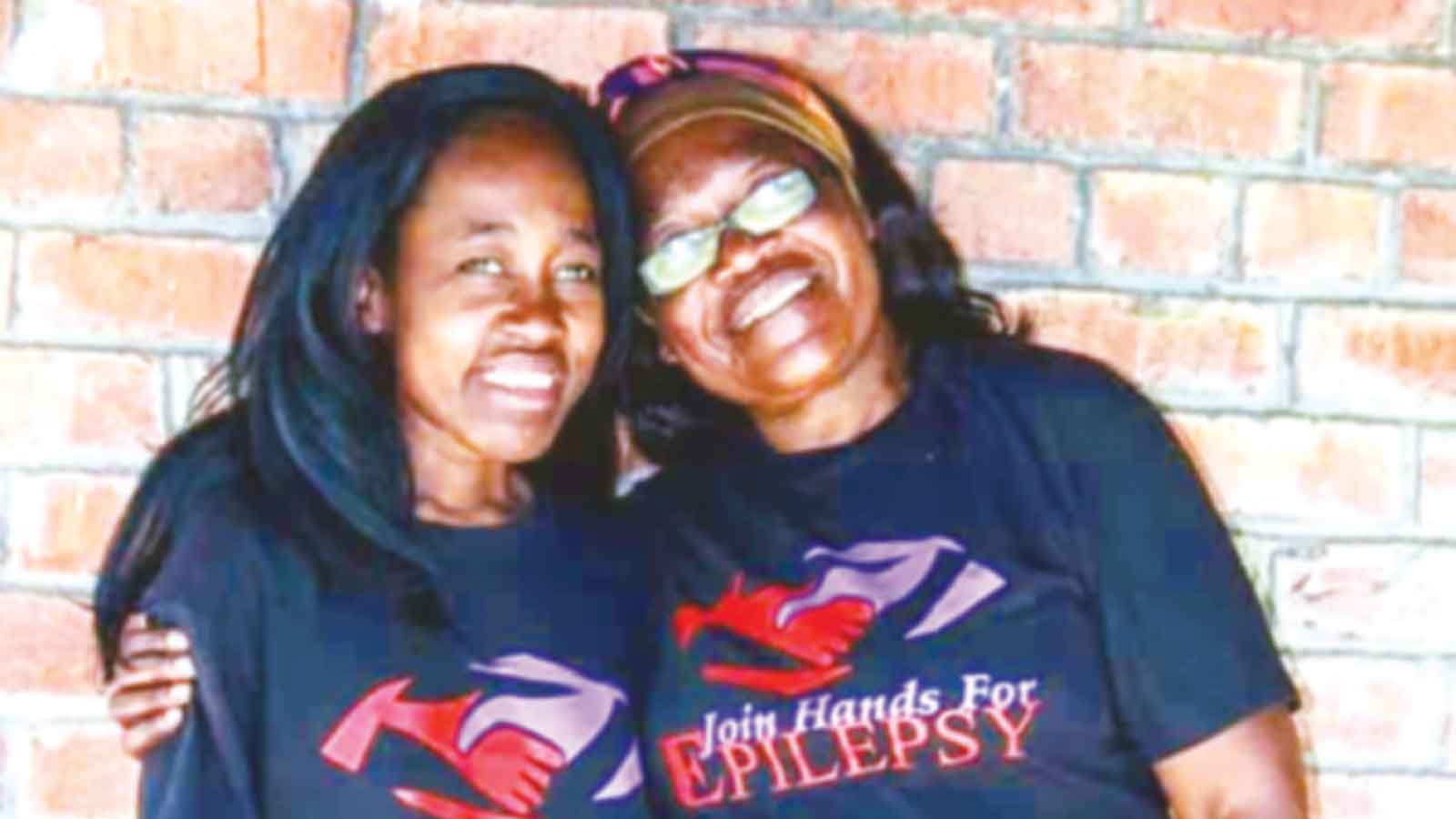
Driven by a desire to share her experiences and help others living with epilepsy to access medication, Trish founded the Join Hands for Epilepsy Foundation.
Through the foundation, she sources donor funding to provide medication and psychosocial support to more than 100 people in the eastern district of Harare. She hopes to expand the programme to reach 200 people, provided sufficient resources are available.
Through the foundation, Trish also hopes to promote citizens’ understanding of epilepsy, reduce social stigma, and highlight the profound impact the condition has not only on individuals but also on their families.
Since launching the organisation, she has seen a positive shift in community perceptions and an increasing number of families seeking proper medical support.