Online Reporter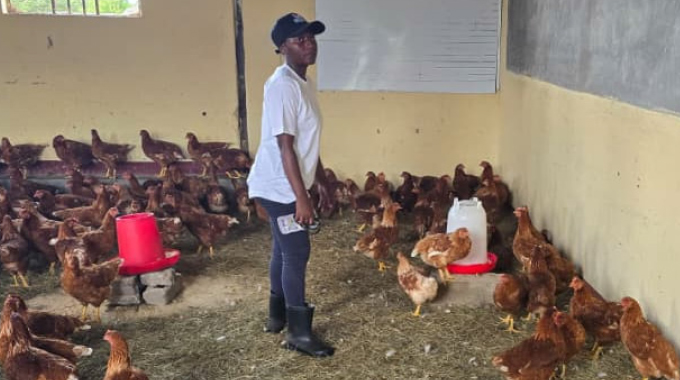
Mthabisi Tshuma. [email protected]
YOUNG women from the Kalanga community in Ndiweni Village, Bulilima District, are leading one of the largest youth-owned and youth-managed egg layer production projects in the country, showcasing the growing impact of youth participation in reshaping Zimbabwe’s agricultural sector.
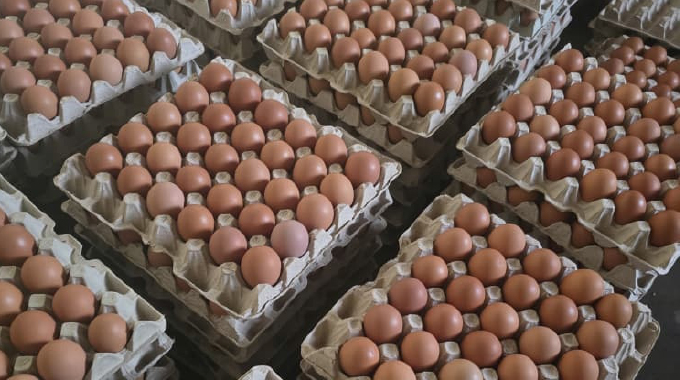
The project, based at the Galaupole Training Centre in Ndiweni Ward, operates a 1 700 layer unit that has become the district’s sole egg supplier, meeting strong local demand while creating sustainable livelihoods for young people.
What sets the initiative apart is its fully youth-driven model — youth-owned, youth-managed and youth-employing — offering a beacon of hope in a region long-affected by the migration of young people to Botswana and South Africa.
At the centre of this initiative is 29-year-old Miss Sithabile Gandi Ndlovu, Director of the ALAD Programme at the Community Foundation for the Western Region of Zimbabwe (CFWRZ).
Running day-to-day operations is Miss Gugulethu Khumalo, a 26-year-old centre manager from Tjehanga Village and a Lupane State University Development Studies graduate. Her academic background has provided the skills needed to steer what has become one of the district’s flagship agricultural enterprises.
Under her leadership, the project has maintained steady production while creating a mentorship pipeline for future agricultural practitioners.
Among those being supported is Miss Thabisile Ndlovu, a young woman from Diba pursuing studies at Esigodini Agricultural College. She receives both financial sponsorship and hands-on experience at the centre, ensuring an integrated training model that prepares her for a future in agribusiness.
Beyond its leadership structure, the project has created direct employment for five young people from Bulilima and neighbouring Mangwe Ward, addressing the chronic shortage of formal employment that often pushes youth across the border.
The success of the Ndiweni egg layer project highlights how meaningful youth involvement can drive agricultural development and rural transformation.
Miss Gandi Ndlovu said her long-term vision is to create lasting economic opportunities for young people in Matabeleland.
“My goal has materialised into a replicable model of rural economic empowerment that is now changing lives in Bulilima and beyond. At its core, the Ndiweni egg layer project is about youth empowerment — not as a slogan but as a lived reality.
“The project’s structure ensures that young people are not passive beneficiaries of development assistance but active agents in their own transformation,” she said.
National Foods’ southern region head of stock feed, Miss Sharon Kabaira, underscored the importance of such initiatives during a recent tour of the centre.
“I hope we will develop, grow and sustain this project for the benefit of the future of our youths. It is quite a humbling experience that you are trying to harness them and you’re trying to work with them here, because as you rightly said, they just aren’t enough social safety nets across the border,” said Miss Kabaira.
According to the Food and Agriculture Organisation (FAO), integrating youth into agrifood systems is essential for building resilient and productive rural communities. The Ndiweni project demonstrates that agricultural enterprises can provide viable, profitable opportunities capable of supporting multiple families.
The initiative also reflects the “whole of government approach” promoted by the Ministry of Lands, Agriculture, Fisheries, Water and Rural Development, bringing together the private sector (National Foods), civil society (CFWRZ) and community structures to drive development.
National Foods’ “A Life A Day” programme has supported more than 1,500 youths across Matabeleland North and South since its inception, helping build confidence, strengthen entrepreneurship and promote rural industrialisation.
The Ndiweni egg layer project stands as one of its strongest examples of impact on the ground.
Follow on X :@mthabisi_mthire