Sikhulekelani Moyo [email protected]
ZIMBABWE’S youth population, which accounts for 65 percent of the country’s total population, presents a major opportunity for economic transformation, but persistent underfunding of vocational training institutions and the Zimbabwe Youth Council (ZYC) is undermining empowerment efforts.
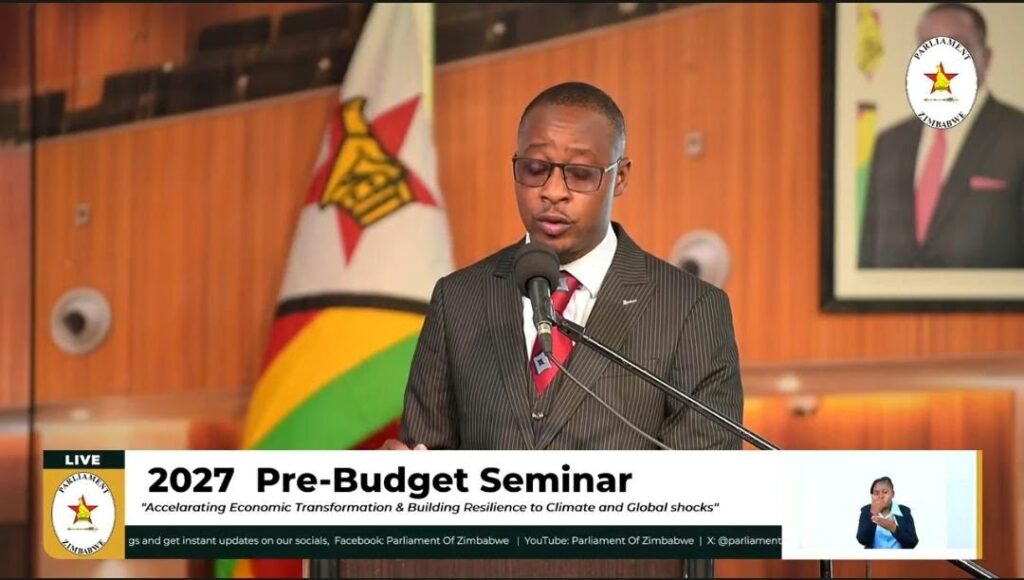
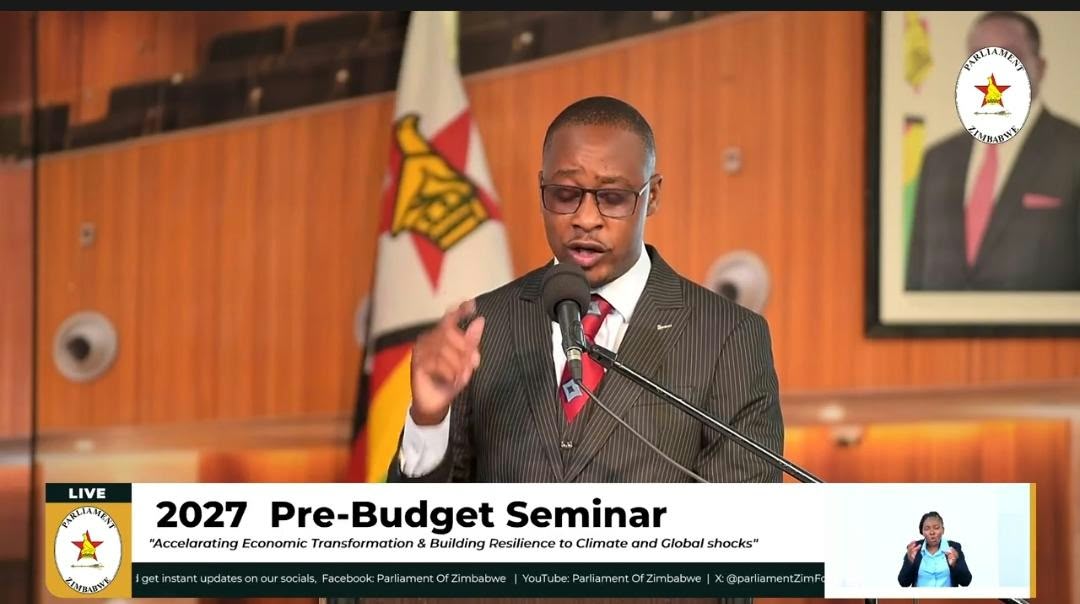
Portfolio Committee Chairperson on Youth Empowerment, Development and Vocational Training, Hon Mutsawashe Ziyambi, said this while presenting the committee’s report during the 2027 Pre-Budget Seminar in Bulawayo.
She said unemployment, skills mismatches, inadequate vocational training infrastructure and drug and substance abuse continued to constrain young people’s potential.
“I would like to start by saying that it is important for us to remember that the youth population of our country, Zimbabwe, according to ZIMSTAT, stands at 65 percent of the total population,” said Hon Ziyambi.
“So if you do the calculations, I think you can agree with me that the young people of this country take a very good chunk of the population of Zimbabwe. Therefore, this population presents a significant opportunity to accelerate economic transformation, industrialisation, and inclusive development.”
She said persistent youth unemployment and underemployment, limited access to affordable payments, skills mismatches and inadequate vocational training infrastructure were among the challenges affecting young people.
“With the persistent youth unemployment and underemployment, limited access to affordable payments, skills mismatches, inadequate vocational training infrastructure, and the challenges being associated with the issue of drug and substance abuse, we just continue to constrain the realisation of youth dignity,” she said.
Hon Ziyambi identified vocational training infrastructure development as one of the Ministry’s key achievements in 2026, but said delays in completing projects and retooling centres remained a concern.
She said construction work had progressed at Magamba and Chaminuka Vocational Training Centres, although the figures she presented on their completion were unclear.
“Furthermore, there is also the retooling of Vocational Training Centres, which remains significant in the IET schedule. These delays limit the timely expansion of training capacity and may undermine the intended benefits of investment in our VTCs and also the issues of skill development,” said Hon Ziyambi.
She described vocational training centres as central to youth empowerment, pointing to the disparity between the number of young people graduating from the institutions and those not in employment, education or training.
“So if you can look at the two figures, the 118 000 young people who have graduated and the 2, 5 million young people who are not in employment, education or training, you see that is a very huge gap,” she said.
The committee also raised concern over inadequate funding and limited operational capacity at the
Zimbabwe Youth Council, particularly its ability to supervise youth programmes and associations across the country.
Hon Ziyambi said limited mobility was affecting provincial supervision, field monitoring, asset verification and engagement with resource centres in remote areas.
She said a committee inquiry conducted across all provinces had revealed serious operational challenges at the council.
“The situation that we witnessed was very tough,” she said, adding that the Ministry was trying to assist the ZYC with transport to enable it to supervise youth associations.
The council’s mandate includes coordinating national programmes such as National Youth Day celebrations, Youth Games and Junior Parliament. However, Hon Ziyambi said these events consumed most of its budget, leaving little for its routine operations.
“These three national programmes which I just mentioned, they are taking the whole chunk of the ZYC part of the council. So you can imagine that after these programmes are done, the ZYC in terms of internal operations will be left with nothing,” she said.
“During these events, ZYC will be smiling as the programmes will be running, but as soon as the delegates, as everyone goes to their different engagements, ZYC is left with sorrowful faces.”
The committee recommended the timely disbursement of approved funds, prioritisation of the rehabilitation and retooling of existing vocational training centres, and stronger oversight of the youth empowerment bank.
“Firstly, our first recommendation is to prioritise time and investment of approved funds, and also, to prioritise rehabilitation, retooling, and completion of ongoing infrastructure projects before committing to new ones,” said Hon Ziyambi.
“The ministry should clarify its 2027 capitalisation requirements and report also regularly on loan disbursements, repayments, pay permits, beneficiaries reached and also jobs or enterprises supported.”
She said the success of the 2027 National Budget should be measured by its impact on sustainable employment, incomes and enterprise development, rather than simply the number of young people trained.
“Ultimately, the success of the 2027 budget should be measured not only by the number of young people which are being trained or programs being implemented across the country, but by the extent to which these public resources translate into sustainable employment, micro-enterprises, improved incomes and meaningful participation in national development.”
Meanwhile, Mabvuku-Tafara legislator Hon Scott Sakupwanya, presenting on behalf of the Parliamentary Youth Caucus, said young people had submitted 27 priorities grouped into four thematic areas.
On employment creation, he said youths wanted the extension of tax incentives to companies offering graduate traineeship programmes to encourage businesses to employ young graduates who often struggle to meet experience requirements.
“One of the main challenges we have seen here is when young people are looking for jobs. The question is, do you have years of experience? And most of our recent graduate trainees do not have those years of experience. So we must incentivise,” said Hon Sakupwanya.
The caucus also proposed raising the eligibility threshold for the incentives from US$1 million to US$10 million in annual turnover, reducing business levies for youth-owned start-ups, introducing quotas for youths in village business units and establishing at least one mining hub per province for artisanal miners.
On health, the caucus called for the standardisation of private drug rehabilitation centres, the deployment of at least two social workers per district to support mental health services and the provision of sanitary wear in public institutions.
“If we can make condoms available in public spaces, then why should we not put sanitary bins also in private spaces? It’s a highlight that menstrual health is not an option to our young people,” he said.
Under social protection, the caucus proposed dedicated funding for young people leaving children’s homes at the age of 18, expanding the school feeding programme to include relish and reinstating student grants and loans.
On information and communication technology and the creative economy, youths called for the expansion of the DigiTruck digital access programme to at least two centres per province.
“That way we have access of AI technology to our young people in the most remote of areas,” he said.
The caucus also called for increased funding for the Creative Economy Fund, stronger intellectual property protection, tax credits for network operators offering youth data bundles and reduced registration fees for sports associations as part of efforts to provide young people with alternatives to drug and substance abuse.