dyton mupawaenda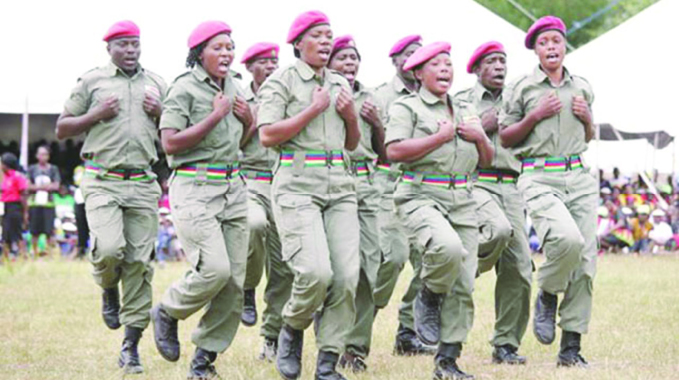
Nick Mangwana-Permanent Secretary for Information, Publicity and Broadcasting Services
It is the young trees that make up the forest, goes an old African proverb.
The recent 2022 Zimstats Census indicated that youths make up close to 5 million of Zimbabwe’s 15,2 million population. That’s a significant percentage that cannot be marginalised or left to trudge alone without guidance or support, for the future rests with them.
It is in this vein that the reconfigured Youth Service in Zimbabwe was launched in Uzumba Maramba Pfungwe, Mashonaland East Province in May this year.
The Youth Service in Zimbabwe is a six-month training programme targeting those between 18 and 35 years of age. The six months are divided into three months of institutionalised learning and three months of community attachment. And no guys, Youth Service doesn’t mean the young people will be trained to beat up people or any such misconceptions that are spread around by perennial critics.
For the first three months, participants will be taught in areas such as:
Zimbabwe’s history
The country’s Constitution
National values and ethos
Youth participation in development
Environmental management
Entrepreneurship and
Dangers of drug and substance abuse
Basic Information Communication Technology (ICT) skills will also be taught.
Afterwards, they will be attached for work experience at Government departments and community projects.
Besides becoming a skilled wholesome adult grounded in one’s national ethos, what are the other benefits of undergoing the Youth Service training? Graduates of the programme would be expected to get first preference for recruitment into the public sector, higher and tertiary education institutions as well as get links to financial support to establish projects or businesses.
What’s wrong with equipping our children with such knowledge, skills and experience?
Training for the Youth Service in Zimbabwe resumed this month at Dadaya in Zvishavane District with an enrolment of 750 youths to be followed by Vumba Training Centre in Manicaland with an expected enrolment of 250 youths.
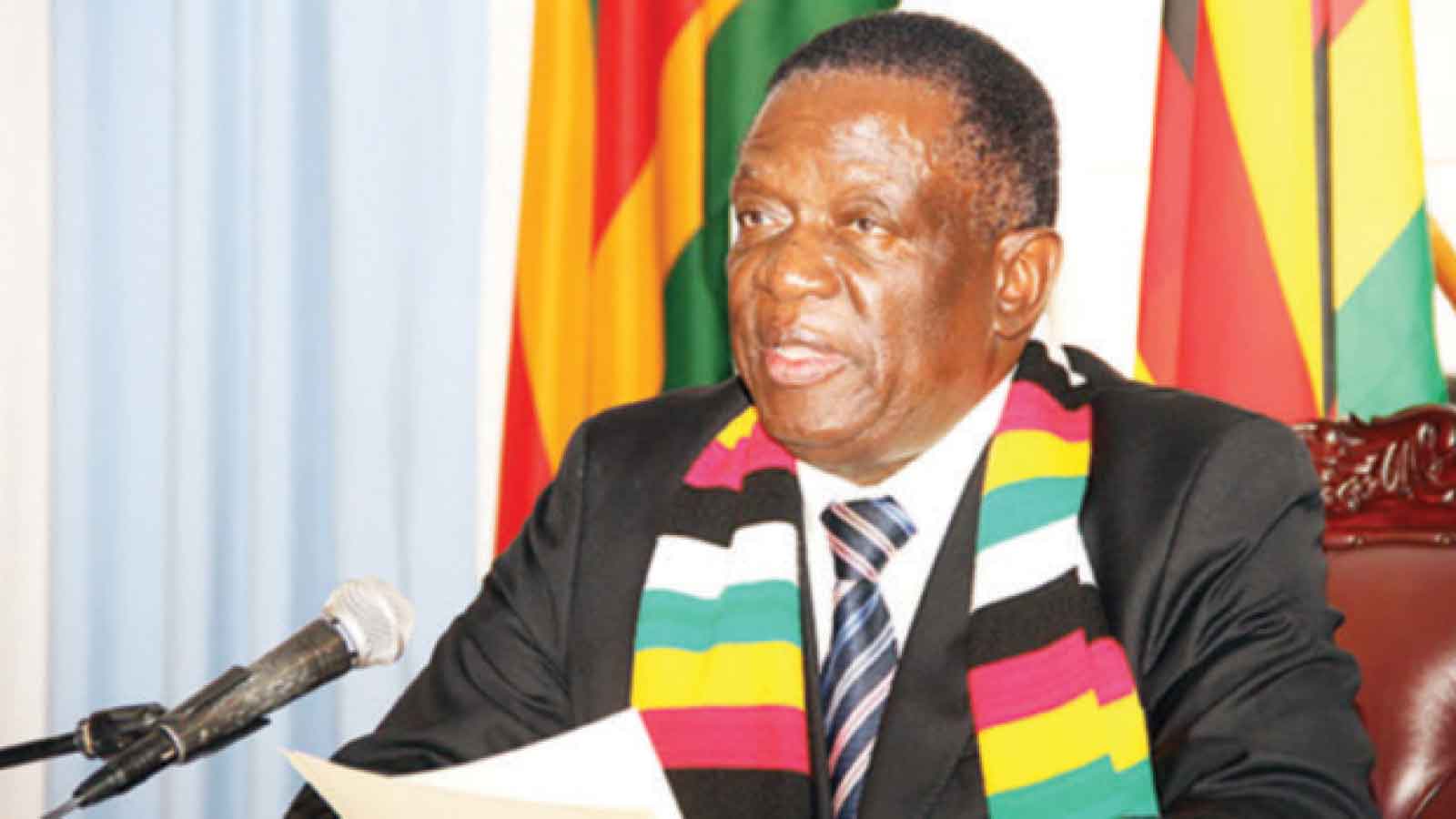
At its launch in May this year, President Mnangagwa stated: “My Government is committed to the wholesome development of our youth. In this regard, extensive interactions and consultations across the country have indicated the need for Government to develop programmes specifically aimed at moulding a citizen who can be entrusted with the future of Zimbabwe. Resultantly, the Youth Service in Zimbabwe programme has been rebranded, taking into account your views and ideas.”
As clearly highlighted by the President, the idea behind the Youth Service in Zimbabwe programme is to nurture well rounded citizens who love and contribute to the development of their country. Do you know that you can support an opposition political party and still be patriotic? Somehow, that concept seems to be lost on our colleagues across the aisle.
A culture of service to one’s country is what the programme seeks to instil, as opposed to the mentality that one is owed by the country. As John F. Kennedy once said, “Ask not what the country can do for you, but what you can do for the country.”
I do not know where people got the idea that the concept of national youth service is some nefarious Zimbabwean scheme.
Countries that have youth service programmes include: Tanzania, Ghana, Rwanda, Namibia, Kenya, China, Germany and many others such as Israel.
Recently, the UK Prime Minister, Rishi Sunak, announced that a future Conservative government would bring back mandatory national service to foster a sense of duty and preserve the UK and its values.
Ask yourself why all these countries saw it fit to enrol their youths in national service? There is no shame in saying that patriotism is the central theme on why all the countries have decided to have national service for their youths. In fact, many countries like Malaysia, Nigeria and Israel have made this programme mandatory. Zimbabwe has not gone that far. But one is tempted to posit that we should have.
The proposed UK version is for a mandatory military service. Denmark, Norway and Sweden run mandatory national services. Some countries have said that an all-volunteer approach to military services does not work and use a national defence service option, where someone has to serve a whole two years before they can do anything else with their lives. So those who are complaining about Zimbabwe’s approach should first benchmark it with what’s happening elsewhere. Our approach can easily be considered as very liberal. At least we don’t have a universal military service.
Youth service programmes help in curbing challenges such as drug and substance abuse resulting from idleness and indiscipline. The service also minimises unpatriotic behaviour which is often detrimental to a country’s image and well-being. Of late, we have seen some youths who seem to have lost all sense of self-respect, let alone respect for their elders and moral values as Zimbabweans. They prefer anything foreign against anything local. They lack grounding.
Indeed, a perusal of social media sites reflects the importance of instilling such values in a country’s citizens. Zimbabwe probably leads when it comes to youths who rush to denigrate their own motherland. The slightest hiccup in the country will have some not-so-learned quarters tagging international leaders and bodies that space will allow. Tagging them to come see how well local youths can denigrate Zimbabwe? How shameful is that?
What all these countries’ versions of youth service have in common is the emphasis on moulding patriotic, hardworking citizens who are equipped with necessary life skills. We should never apologise for insisting that the youths should be involved in the well-being of their society.
It is the patriotic cadre who is going to get priority in nurse training, teacher training or civil service in general. Patriotism is being defined in this article to mean the love of the homeland, its people, traditions and a devotion to the interests of its citizen. Is there anything wrong with imbuing such a philosophy in the young people? What’s wrong with the production of a nurse, teacher or policeman who is devoted to the interests of the citizens they serve?
From the above definition, one can see that the principle of patriotism puts precedence on the predominance of common social interests ahead of personal interests. Is there anything wrong with a nation where selfishness is not prioritised?
This writer supports the notion that only a patriotic cadre should get priority when it comes to serving in our highly esteemed military. They should not be given to using substances and they should be devoted to the protection and advancement of the Zimbabwean people. All these values are some of those being taught in the Youth Service in Zimbabwe curriculum with the ultimate goal of producing a pool of fit for purpose youths who are ready to serve their people, communities and country. This is a cadre that prioritises Zimbabwe ahead of any other state.
When other countries, especially those in the West, have internal differences politically, do you see them tagging you? Do you see them speak ill of their country? Do you see them attacking their country’s policies? No. Why? Because it is instilled in their citizenry that the country comes first. That they should defend the flag with their lives as it is sacrosanct. Zimbabweans on the other hand, would be the ones leading the attack on their country, their Constitution and elected leadership. Save for a few patriots. We cannot continue like this, ladies and gentlemen, lest our identity, value and soul as a nation is lost.
The Youth Service in Zimbabwe is not intended to benefit individuals, but the country as a whole. A patriotic, skilled and empowered youth is crucial for the attainment of the country’s goals and Vision 2030 of being an upper middle-income society. We need all hands-on deck, especially our youth, who still have abundant energy.
There is so much on offer for the country’s youths apart from the Youth Service programme. Youth desks were established in Government ministries to promote their participation and mainstreaming into all sectors of our economy. The Government is also supporting the youths through a bank of their own called the Empowerbank.
This was set up to ensure that this demography gets easy access to funds they need to finance various income generating projects. Zimbabwe is full of possibilities and opportunities for the youth. One only needs an open, patriotic mindset, and together we will build this country, brick upon brick, stone upon stone.
Patriotism is a fundamental feature of the existence of any nation, people, society or state. It is the most important trait that determines unity, cultural integrity and the successful development of a people or state. If it can’t be absorbed from ambience and environmental climate, it has to be imparted from the centre and it has to be given to the most productive members of our society. In this case, to the youth through the Youth Service in Zimbabwe programme.


 Online Reporter