Online Reporter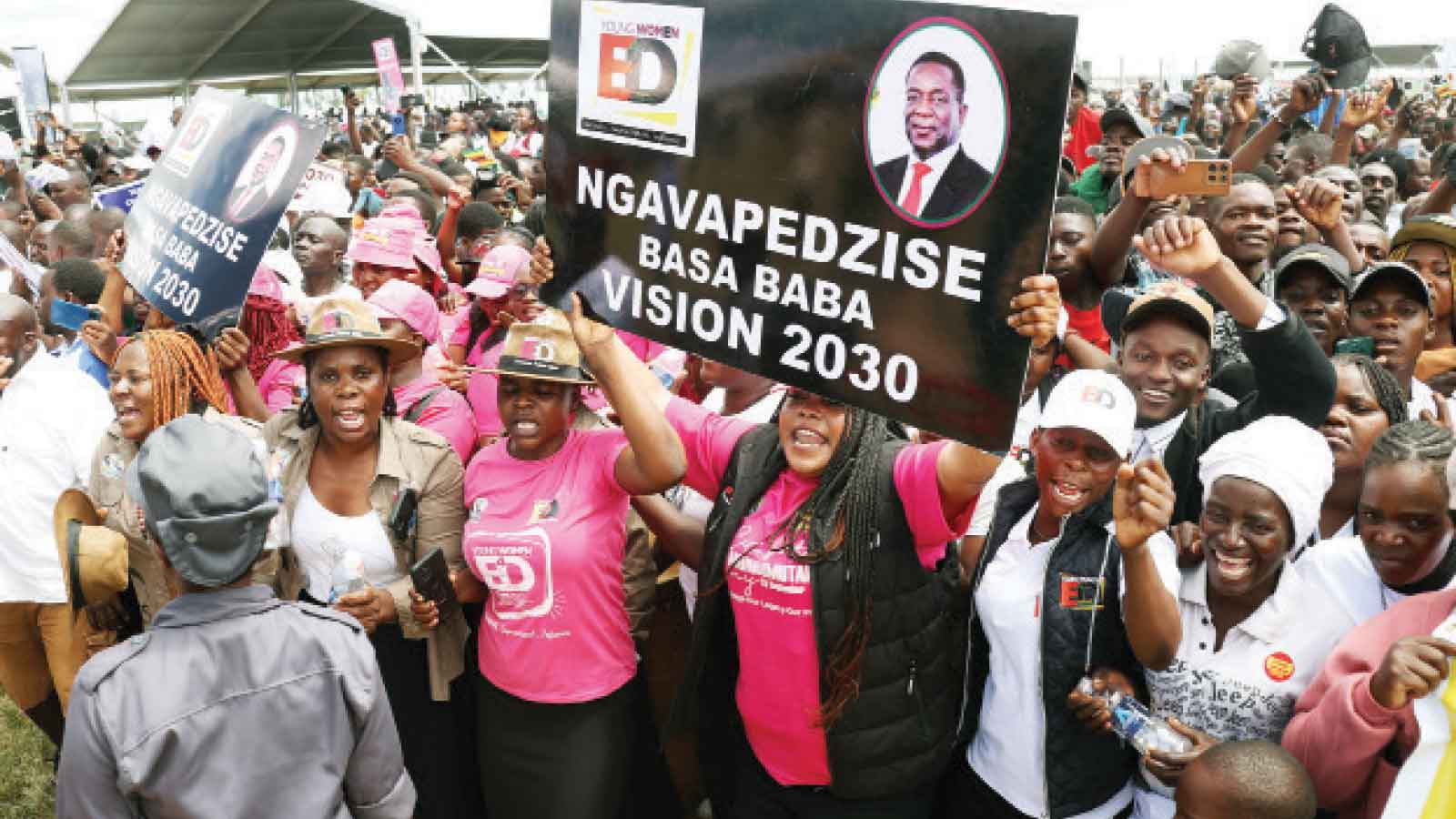
MacDenias Moyo
Marondera’s Igava Vocational Training Centre became the heartbeat of Zimbabwe on National Youth Day, as thousands of young people gathered to celebrate not only the legacy of youth empowerment, but also the promise of the future.
The day was charged with ideological conviction, philosophical depth and socio-economic urgency. It was a reminder that the youth are not spectators in the march toward Vision 2030, but they are the vanguard, the torchbearers, the custodians of posterity.
President Mnangagwa’s address was both a rallying cry and a solemn charge. He declared that, “The youth are the torchbearers of our nation’s vision. It is your energy, creativity and resilience that will propel Zimbabwe to an upper-middle-income economy by 2030. Remain patriotic, remain steadfast and never allow yourselves to be swayed by those who thrive on negativity.” His words cut through the noise of opposition rhetoric, reminding the youth that patriotism is not blind loyalty but a conscious commitment to national progress.
Minister Tino Machakaire echoed this sentiment, urging young people to seize the opportunities embedded in the National Youth Empowerment Strategy (NYES 2026–2030). “The NYES is about positioning our youth as leaders in economic, digital and social transformation. It is about ensuring that every young Zimbabwean has the tools to thrive,” he said. His statement was not a promise of handouts but a declaration of empowerment, urging the youth to rise, innovate and lead.
The socio-economic opportunities are immense. Agriculture, which contributed about 17 percent to Zimbabwe’s GDP last year, is a sector brimming with potential for young farmers. Tobacco exports, maize production and horticulture are not just statistics but they are pathways to prosperity for those willing to embrace modern techniques and cooperative models. Vocational training centres like Igava are equipping youths with the skills to transform subsistence farming into agribusiness, ensuring food security while creating wealth.
Mining, contributing nearly 12 percent of GDP, is another frontier of opportunity. Gold, platinum and lithium are not just minerals but they are strategic resources that can catapult Zimbabwe into global relevance. Youth cooperatives in small-scale mining are already proving that with access to capital and training, young Zimbabweans can turn rural livelihoods into engines of industrial growth. Lithium, in particular, positions Zimbabwe at the centre of the global energy transition and it is the youth who must seize this moment to innovate and lead.
These sectors like agriculture, mining, ICT and manufacturing are not isolated silos. They are interconnected pillars of Vision 2030. They are the scaffolding upon which the youth must build their future. President Mnangagwa reminded the youth that, “Under NDS2, no youth should be left behind. The opportunities in agriculture, mining, ICT and manufacturing are yours to seize. You must be conversant with these policies, for they are written with your future in mind.”
The National Development Strategy 2 (NDS2) and NYES are not abstract documents gathering dust in Government offices. They are living frameworks designed to harness Zimbabwe’s demographic dividend. They provide pathways for youth to become entrepreneurs, innovators and leaders. They ensure that the socio-economic promise of Vision 2030 is not abstract but tangible.
Yet, opposition voices continue to peddle cynicism, claiming that Vision 2030 and Constitutional Amendment No 3 entrench power rather than empower citizens. Such narratives are not only misleading but dangerous. They seek to rob the youth of hope, to derail national progress, to sow seeds of defeatism.
The truth is clear: Amendment No 3 strengthens institutional frameworks to ensure continuity and stability — prerequisites for sustainable development. To oppose Vision 2030 is to oppose youth opportunity.
Minister Machakaire was unequivocal in his speech as he said, “Our generation cannot afford to be distracted by those who thrive on negativity. We must focus on building, not destroying; on empowering, not disempowering.” His words were a clarion call to the youth to ignore the noise, embrace the vision and seize the opportunities.
Zimbabwe’s demographic reality is undeniable and the youth constitute the majority of the population. This is both a challenge and an opportunity. If harnessed, youth energy can drive economic growth, innovation and social transformation. If neglected, it can breed unemployment, frustration and instability. The message from Marondera was clear and the youth must rise, study the policies, understand the opportunities and mobilise their peers.
The National Youth Day is not just about honouring the past, but it is about claiming the future. The youth of Zimbabwe must see themselves as the vanguard of Vision 2030. They must embrace NDS2 and NYES as instruments of empowerment. They must reject defeatist narratives and stand firm as defenders of national progress.
The opportunity is immense. The promise is real. The responsibility is heavy. But the youth of Zimbabwe have always risen to the occasion. As the Zimbabwean youth gathered in Marondera, they declared to the nation and the world that they are ready, they are the future and they are the vanguard of Vision 2030.