malvernmugadzikwa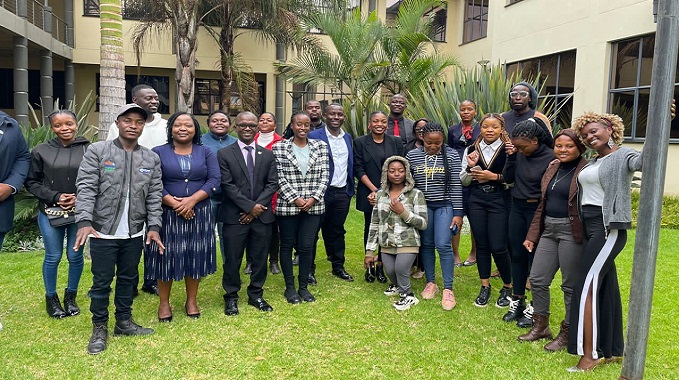
Tanyaradzwa Rusike
Youth Buzz
UNDER the Second Republic, the Government is encouraging young people to continuously produce innovations that can help in modernising and industrialising the country.
This is underpinned by Education 5.0, which requires students at tertiary institutions to make the most out of innovation hubs by creating inventions that can transform Zimbabwe.
However, intellectual property (IP) theft poses a huge threat to these ambitions.
Zimbabwe is home to many talented creators, but their work is not receiving due recognition due to IP theft.
Last week, a copyright and youth intellectual property symposium was held in Harare to raise awareness on IP theft.
The meeting, organised by the National Movement of Catholic Students (NMCS) and a consortium of youth organisations, sought to educate young people to safeguard their patents.
It emerged at the symposium that a large number of young people are not giving adequate value to the importance of IP rights, which are meant to protect domestic innovations. Youth leader and national coordinator for the NMCS Mr Pardingtone Nhundu implored young people to register their trademarks. He said many youths are not aware that it is relatively cheap to register trademarks and prevent IP theft.
“For a long time, we have had issues where young people say their ideas are stolen. So, l believe this symposium came at the right time, when young people need to be educated on how to protect their ideas.
“The other thing is the thinking that it is expensive yet they have not done the research because copyright is free and trademarks cost about $80 000. This is in our local currency and I believe it is a relatively small figure for someone who is serious about his or her innovation.”
At the symposium, participants conceded that many young people are not registering their trademarks to prevent IP theft because there are low levels of awareness on legal guidelines for copyright theft and plagiarism.
“Highly talented young people in the informal sector of the Zimbabwean economy produce a lot of original and attractive ideas but they do not enjoy their benefits because their ideas are stolen by other people,” Mr Nhundu said.
“As such, the symposium was a clear eye opener to young people who attended — such as artists, students and entrepreneurs — and they have vowed, together with the NMCS, to raise awareness on copyrights and IP. The symposium also focused on methods to promote sustainable initiatives, while preventing harm to the community,” added Mr Nhundu.
He revealed that during the symposium, deliberations also focused on building capacity among young people to enhance their innovative skills and contribute more to Education 5.0
To this end, the NMCS is holding an exhibition next month for young people to showcase their skills, Mr Nhundu revealed.
“As an organisation, we are working on supporting youths on their specific projects that will allow them to showcase their work. The NMCS is also involved in democracy and governance, faith formation, climate change advocacy and youth innovation empowerment. We have organised an event, together with consortium partners, under the project Youth Empowerment for Accountability in Zimbabwe. The height of this project will see young people in November compete and showcase innovative ideas that are responding to societal challenges,” he said.
In her presentation at the symposium, principal examiner for the Department of Deeds, Companies and Intellectual Property, Mrs Gwendoline Sukali Lenon Rwizi said to prevent IP theft, innovators need to identify and classify all their IP assets.
“This includes things like trade secrets, patents, trademarks, copyrights and business plans. Once you have identified your IP assets, you can develop a plan to protect them.
“Also, there are a number of security measures that businesses and individuals can implement to protect their IP — including using strong passwords, encrypting sensitive data and restricting access to IP assets. The owner of the design will have exclusive rights and protection against unauthorised copying or imitation,” he said.



 Online Reporter