Online Reporter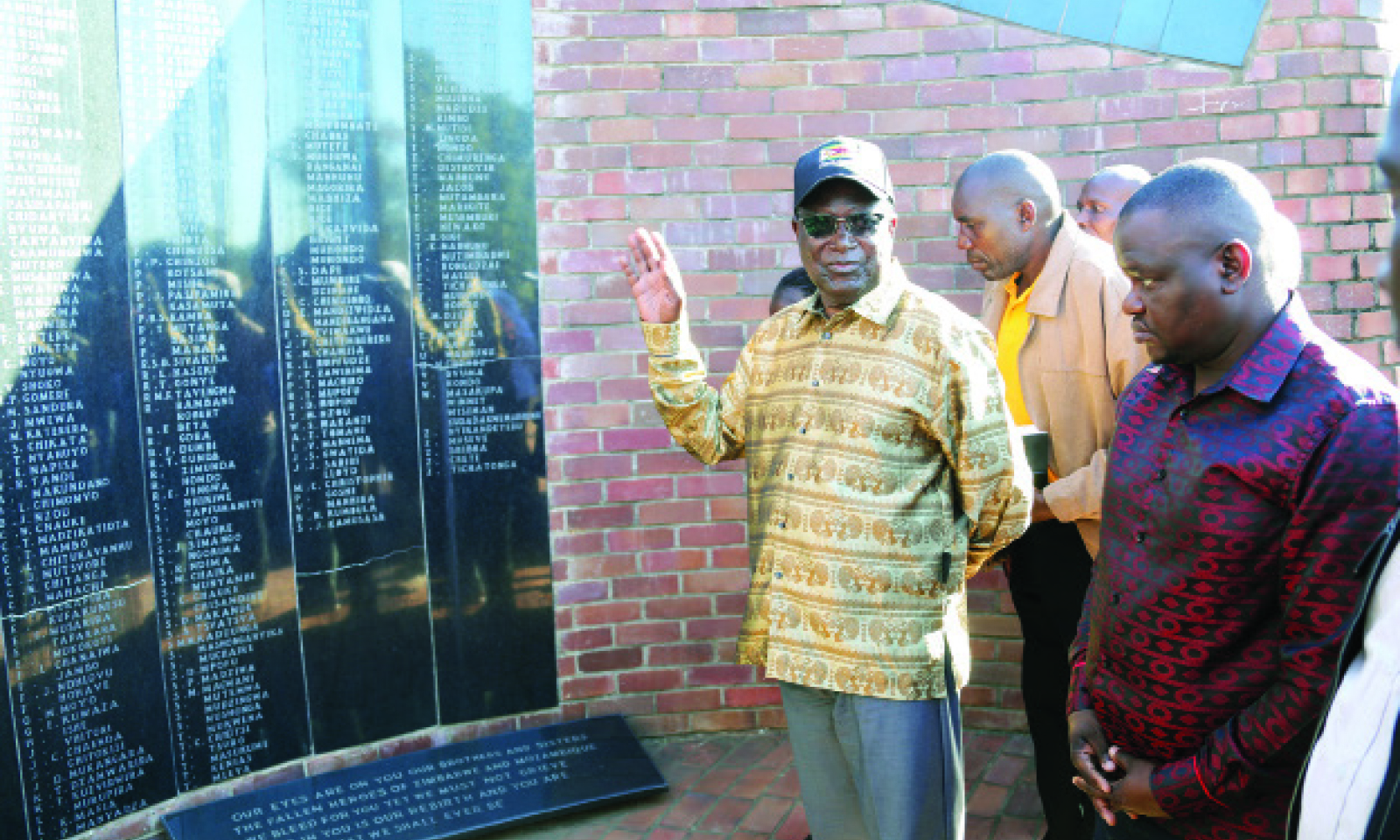
Rumbidzayi Zinyuke in CHIMOIO, Mozambique
AS Zimbabwe prepares to commemorate Heroes Day, the Government has reiterated the importance of educating young people about the country’s liberation history by encouraging them to visit key historical sites, particularly liberation war shrines in neighbouring Mozambique, where thousands of freedom fighters lie buried.
Speaking during a tour of the Chimoio Shrine in Mozambique, Special Presidential Advisor on Monitoring the Implementation of Government Programmes and Projects, Dr Joram Gumbo, described the shrines as both sacred burial grounds and vital centres of historical education.
“This is a sacred place where heroes and heroines who fought for the liberation of Zimbabwe are buried. We are enjoying the freedom they fought for, and it is our responsibility to ensure their resting places are respected and preserved,” he said.
He noted with concern that many young Zimbabweans lacked a deep understanding of the liberation struggle.
“It’s not their fault—they were not there. But now we must ensure that history is taught in schools and reinforced through visits to places like this. These shrines tell the story of how we became Zimbabweans. Before 1980, we were Rhodesians living in our own land as foreigners,” he said.
Dr Gumbo urged schools and tertiary institutions to organise educational tours to liberation sites in Mozambique, Zambia and across Zimbabwe itself, saying this would bring history to life for a new generation.
“What is most critical is that the Government of Zimbabwe is very cognisant of the fact that the youth of Zimbabwe do not know or understand what we went through to be where we are today. You can’t blame them because they were not there. So what we can do now is to make sure that these children are taught about our history in school. There is no country that is just there today without a history. So we also are a people who started somewhere to be called Zimbabweans today.”
The Chimoio Shrine is believed to hold the remains of more than 1 200 Zimbabwean freedom fighters who were killed during the liberation war.
It is one of 16 confirmed shrines across Mozambique that mark critical episodes in the country’s struggle for independence.
Other shrines are located in Zambia and Tanzania.
Zimbabwe’s Consul General to Beira, Mr Malvin Bere, who accompanied Dr Gumbo on the tour, said there was a growing push to document and rehabilitate these historic sites.
“We have 16 documented shrines so far, but there are more that continue to be discovered. At Chimoio, we have mass graves and individual graves, and most still need proper marking and rehabilitation.”
Mr Bere said the Ministry of Home Affairs and Cultural Heritage had pledged to begin upgrading key sites, including installing ablution facilities, boreholes and fencing to preserve their dignity.
“We are now receiving large delegations of Zimbabweans, sometimes over 1 000 people, coming to these shrines. We need to ensure that the sites are not only respected but also adequately equipped.”
Mr Bere added that maintaining the shrines was not only a cultural and moral obligation, but also part of safeguarding Zimbabwe’s national identity and global image.
“These shrines reflect who we are as a nation. A dilapidated shrine sends the wrong message.
“Zimbabwe is one of the most developed countries in Africa, and this should be visible even in our historical sites,” he said.