Online Reporter
Peter Matika, [email protected]
THE Zimbabwe Anti-Corruption Commission (Zacc), in collaboration with various Government ministries, independent commissions and civil society organisations, yesterday convened the Bulawayo provincial validation meeting for the National Anti-Corruption Strategy 2 (NACS2), marking a critical step in shaping the country’s next five-year anti-graft roadmap.
The consultations, being held across all provinces, aim to refine national inputs gathered over recent months and ensure that contributions from communities, public sector institutions, businesses, academia and non-State actors are accurately captured before the strategy is finalised.
Speaking during the Bulawayo session, Zacc officials said the validation process is essential for strengthening a unified national stance against corruption, which continues to undermine economic growth, public service delivery and investor confidence.
The NACS2, covering the period 2025 to 2030, will build upon the achievements and address the gaps identified under the first National Anti-Corruption Strategy (2020-2024), which saw increased public awareness campaigns and improved collaboration between law enforcement agencies.
Zacc representatives highlighted that the provincial meetings are designed to ensure the strategy is grounded in lived realities across the country.
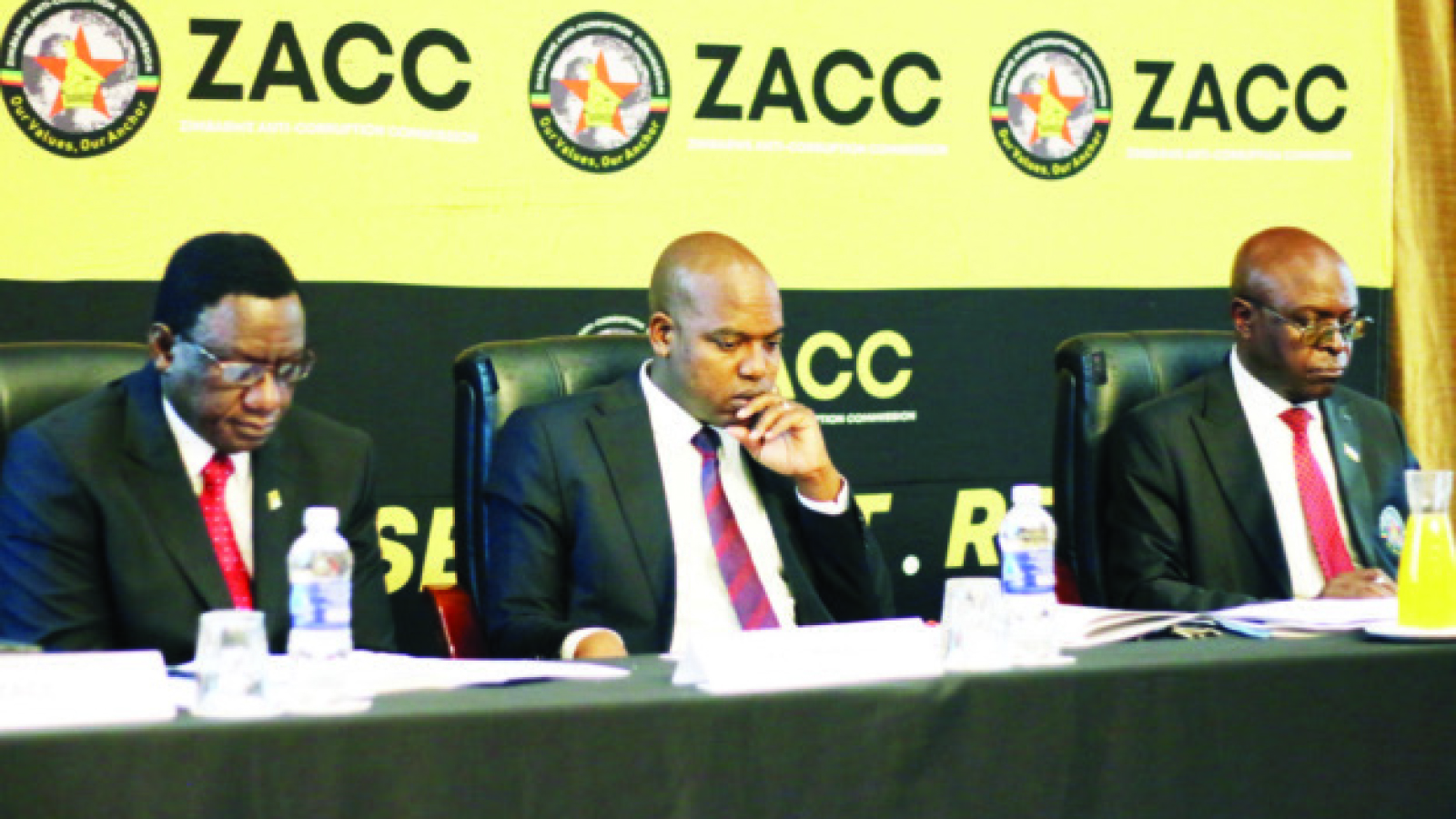
Stakeholders from Bulawayo raised concerns about procurement malpractices within public institutions, delays in resolving corruption cases, lack of transparency in service delivery, and illicit financial flows affecting local authorities, as well as corruption in law enforcement, particularly the police.
They emphasised the need for stronger whistle-blower protection mechanisms, decentralised anti-corruption education and more robust oversight of public entities.
“The fight against corruption cannot be won by institutions alone. It requires collective ownership, continued vigilance and systems that support transparency,” one stakeholder noted during the meeting.
According to Zacc, the second strategy is expected to place significant emphasis on strengthening co-ordination among anti-corruption agencies, improving asset recovery and management frameworks, enhancing transparency in public procurement and public finance management, and expanding digital tools for monitoring Government processes.
Other strategies include mainstreaming anti-corruption education in schools, communities and workplaces, and building stronger partnerships with the private sector and civil society.
The NACS2 is also set to align with Vision 2030 goals, the National Development Strategy (NDS1 and forthcoming NDS2), and regional anti-corruption protocols under the African union and SADC.

Once all provincial validation meetings are complete, Zacc will consolidate the findings into a final draft for submission to Cabinet. The adoption of NACS2 is expected early next year.
Stakeholders in Bulawayo have described the consultative process as an important move towards rebuilding public trust and ensuring that anti-corruption interventions remain community-driven, inclusive and effective.
“Corruption is not just a legal matter. It is a developmental issue,” said one participant. “A strong, collaborative national strategy sets the tone for a more transparent and prosperous Zimbabwe.”
Meanwhile, Zimbabwe has improved its corruption perception rankings according to the 2024 Corruption Perception Index Report.
The National Anti-Corruption Strategy 1, implemented over the past few years, included initiatives aimed at improving public sector accountability, streamlining procurement processes, and establishing whistle-blower protection.
The National Anti-Corruption Strategy 2 is in line with UN guidelines outlined in the United Nations Convention Against Corruption (UNCAC), which guide the creation and implementation of national strategies.
These guidelines include developing and implementing co-ordinated anti-corruption policies, establishing dedicated anti-corruption bodies, reforming the public sector to increase transparency (especially in procurement and public finance), promoting codes of conduct for public officials and encouraging public participation in the fight against corruption.
Some of the measures, as stated in the guidelines, include the establishment of agencies and courts.
Some countries have complied with UNCAC by establishing anti-corruption commissions and special anti-corruption courts.
Public sector reforms include efforts to reform public procurement systems, develop e-procurement procedures, and build capacity for law enforcement agencies.
Legal frameworks and reforming existing laws, such as those related to asset forfeiture and public procurement, are a key part of strengthening the legal framework to reduce opportunities for corruption.