Online Reporter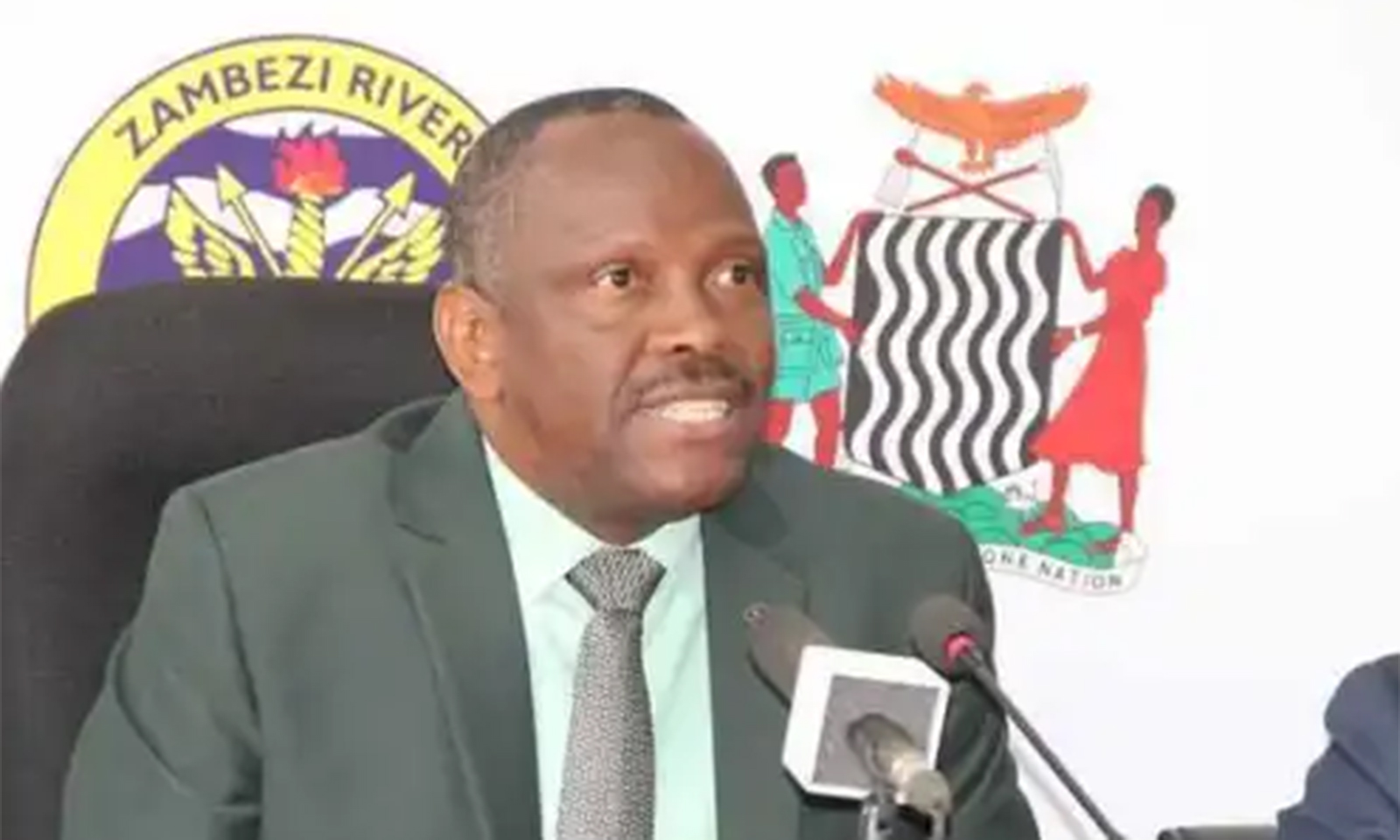
Rutendo Nyeve, Victoria Falls Reporter
ZAMBIA has commended Zimbabwe for its decision to abolish transit taxes on fuel, a move described as vital for strengthening economic ties and unblocking regional trade corridors.
This emerged during the high-level Zambezi River Authority (ZRA) Ministerial Engagement between Zambia’s Minister of Energy and Power Development, Mr Makozo Chikote and his Zimbabwean counterpart, July Moyo, in Victoria Falls last week.
Minister Chikote said the removal of the levy, which had been a major point of contention, has immediately eased economic pressure on Zambia and revitalised a key transit route.
“During our meeting in Harare, we received very good news and we have seen it being implemented – the abolition of the tax on fuel transiting through Zimbabwe,” he said.
“It was really a blow when you introduced that tax. That route was almost closed and you know what that meant for our business entities.
“But you, as a neighbour with whom we share a natural relationship, reconsidered and decided to abolish it. This is a very important measure that you have put in place and it has strengthened our economic cooperation and regional trade,” said Minister Chikote.
The abolition of the transit tax is expected to lower the cost of importing fuel for Zambia and other nations, thereby reducing the cost of goods and stimulating commerce across the Southern African Development Community (SADC) region.
Beyond the fuel tax issue, Minister Chikote expressed profound gratitude for Zimbabwe’s solidarity during Zambia’s ongoing power supply crisis.
He highlighted crucial cooperation in power generation and transmission capacity increases, which have provided much-needed relief.
“I am equally grateful for the facilitation of Zambia’s access to regional power imports through Zimbabwe’s transmission infrastructure.
“The support and cooperation we received from you, as our colleagues, during this power supply crisis have been immensely helpful. We can now see the light at the end of the tunnel,” he said.
The Zambian official, however, said persistent transmission constraints are a reminder of the urgent need to address borderless energy challenges through permanent infrastructure solutions.
He challenged experts from both nations to accelerate key flagship projects, moving beyond endless feasibility studies to tangible implementation.
A top priority highlighted is the Zambia-Zimbabwe portion of the ZABONA project (linking Zambia, Botswana, Namibia and Zimbabwe), which aims to create an alternative power wheeling path to address transfer constraints.
“This project must be done like yesterday. We expect it to be executed in an efficient manner that will help both nations and the region address challenges in the energy sector. This is your first priority for 2026,” he said.
Minister Chikote said the collaboration is one driven by shared aspirations.
“We are gathered here today not only as neighbours, but as countries with common aspirations for prosperity. We have the responsibility to put in place reliable, affordable and sustainable solutions in the energy sector for our citizens,” he said.
The meeting underscored a mutual commitment to turning bilateral agreements into actionable projects that enhance energy security, a fundamental pillar for economic growth in both nations.
For Zimbabwe, the commendation from its northern neighbour signals a positive shift in regional perception and an opportunity to solidify its role as a reliable trade and energy partner in Southern Africa.



 derick.khumalo