admin
admin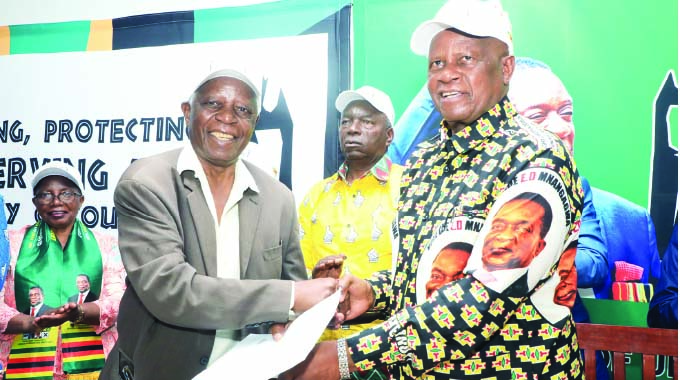
Conrad Mupesa Mashonaland West Bureau
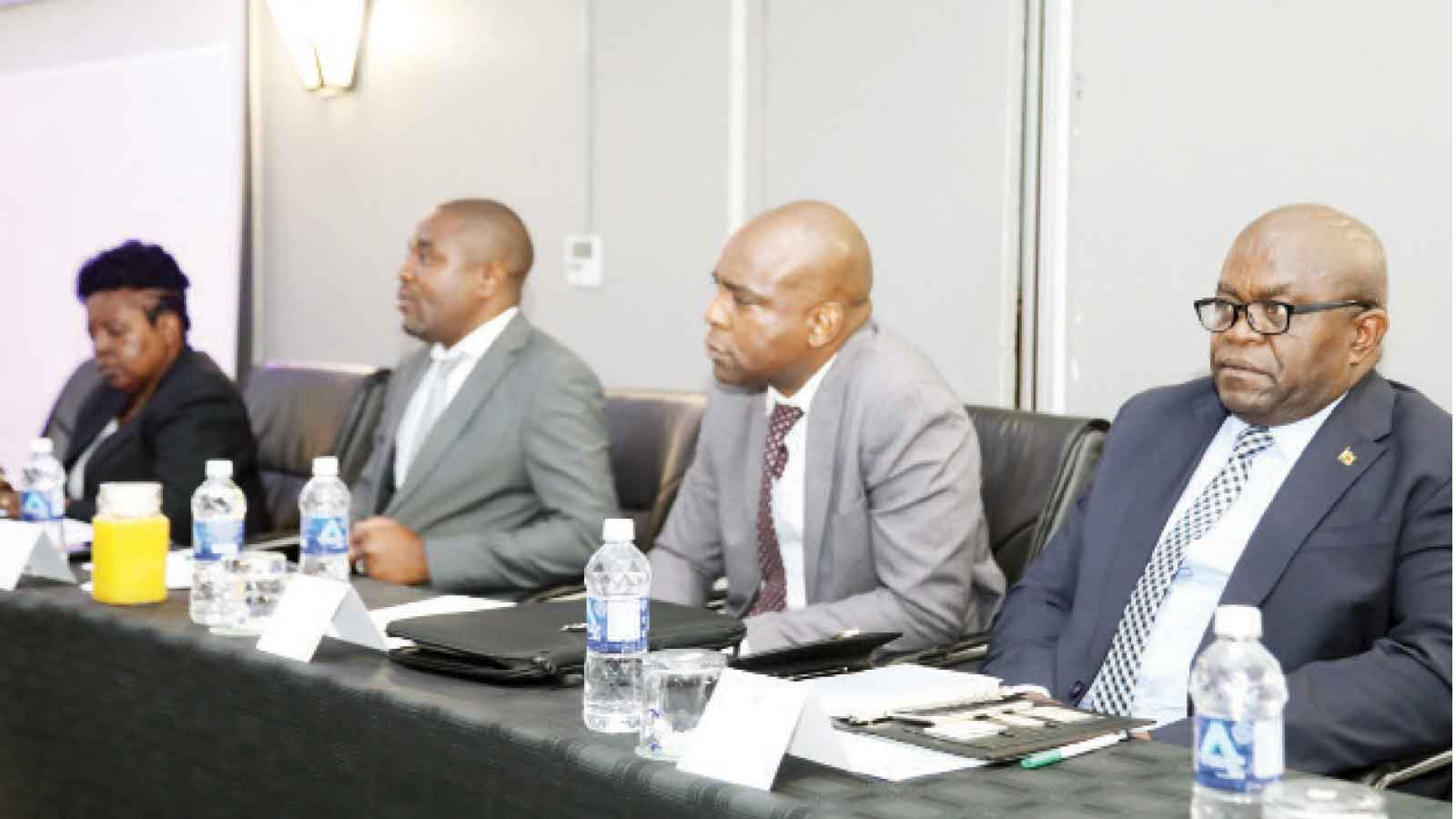
Zanu PF yesterday signed a Memorandum of Understanding with the Institute of African Knowledge (Instak) in Chinhoyi to promote, protect and preserve Zimbabwe’s liberation struggle wartime records and artefacts.
The signing ceremony was graced by ZANU PF senior officials including acting Secretary-General Cde Patrick Chinamasa.
Instak was represented by board chairperson Prof Simbi Mubako.
Instak is the authority of the Museum of African Liberation being constructed in Harare near the National Heroes Acre.
In his remarks, Cde Chinamasa said the efforts made by Zimbabwe’s founding fathers, the late Cdes Robert Mugabe and Joshua Nkomo and other nationalists, deserve to be safeguarded.
“It is incumbent upon the Museum of African Liberation and Zanu PF to ensure that the enduring and epic memories of our unity are preserved in contemporary archives,” he said.
“This will guarantee increased access to our history and footprint by future generations.
“It will also be prudent for the museum to have a liberation wall dedicated to remembering the collective and illustrious sacrifices of Zanla and Zipra combatants.”
Cde Chinamasa called upon the ministries of Primary and Secondary Education, and Higher and Tertiary Education to work with the Museum of African Liberation to develop and write into the local schools and tertiary education curriculum the liberation war and national history.
Prof Mubako said the decision by Instak to have an MoU with Zanu PF was in recognition of the fact that documentation of complete liberation history would not be enough without involving the revolutionary party.
“So, the board of Instak came up with the resolution a few months ago that stated we should create relationships with the parties that fought in the liberation struggle,” he said.
Prof Mubako said the MOU will give Instak access to other various parties that fought liberation struggles in Africa through Zanu PF.
Zanu PF Secretary for War Veterans, Cde Douglas Mahiya, said Britain should pay for the war crimes committed in Zimbabwe and the rest of its colonies.
“They committed a lot of atrocities during the colonial era and are responsible for killing many gallant fighters,” he said.
Cde Mahiya added that Britain should pay for the repatriation of fallen heroes whose remains are scattered across the continent in unmarked and mass graves.
“This is an emotional issue to me and since we made an oath among ourselves as freedom fighters to repatriate them so that their remains will be buried by their families.
“The unmarked graves are in Tanzania, Zambia, and Mozambique, among other countries, hence, Britain should pay for all the costs to be incurred for the repatriation of all the war veterans in unmarked graves,” he said.
The ceremony ran under the theme, “Promoting, protecting and preserving the legacy of our revolution”.


 Online Reporter