Online Reporter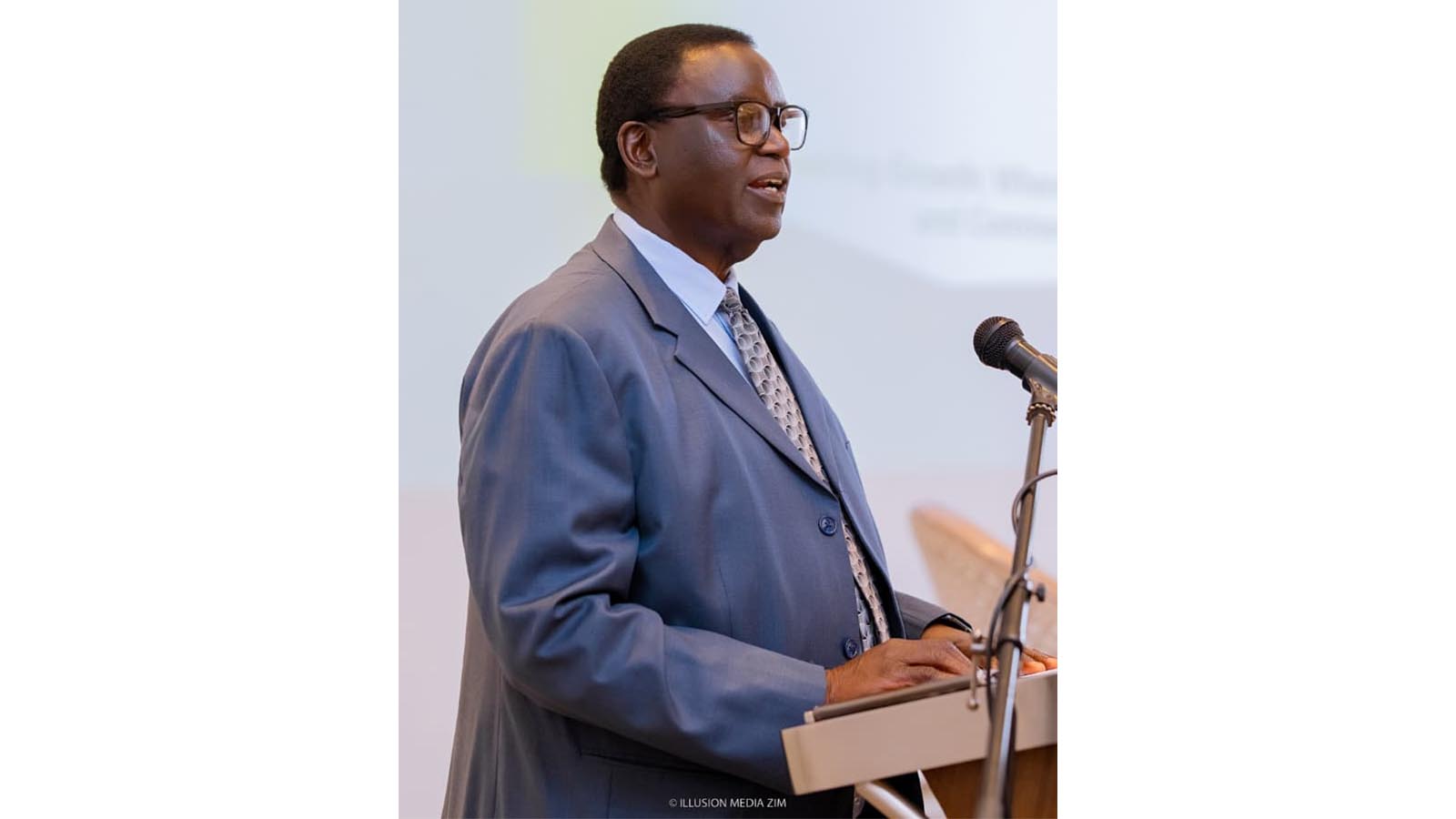
Business Reporter
Zimbabwe must shift its agricultural focus from production potential to measurable productivity if the sector is to drive agribusiness growth and strengthen food security, Zimbabwe Agricultural Society (ZAS) president Ngoni Kudenga has said.
Mr Kudenga made the remarks at the 14th Annual National Agribusiness Conference, being held on the sidelines of the ongoing 116th Zimbabwe Agricultural Show.
The conference is running under the theme “Agricultural Productivity as a Catalyst for Agribusiness Growth and Food Security”, with stakeholders from across the agricultural value chain discussing ways of improving productivity and unlocking investment.
Mr Kudenga said the theme was a call for Zimbabwe to move beyond discussions about agriculture’s potential and focus on actual performance.
“For too long, we have spoken about agriculture’s potential. Today, we must speak about agriculture’s performance,” he said.
He said higher yields per hectare and per livestock unit would translate into improved farmer incomes and increased reinvestment, while providing processors and other businesses across the value chain with a more reliable supply of raw materials.
“When productivity rises, the farmer earns more. Agribusiness grows. Processors have consistent supply. Input companies have a market. Logistics firms have goods to move. Banks have bankable clients,” Mr Kudenga said.
Mr Kudenga said the productivity agenda was aligned with the country’s National Development Strategy 2 and Vision 2030, which position agriculture as a key driver of economic growth, employment and exports.
He said the targets could only be achieved if Zimbabwe addressed structural constraints affecting productivity, particularly declining soil fertility, limited irrigation, inadequate access to mechanisation and technology, expensive financing and weak market linkages.
“Declining fertility is a silent constraint on our yields,” he said, calling for increased soil testing, improved fertiliser-use efficiency and wider adoption of climate-smart agricultural practices.