Online Reporter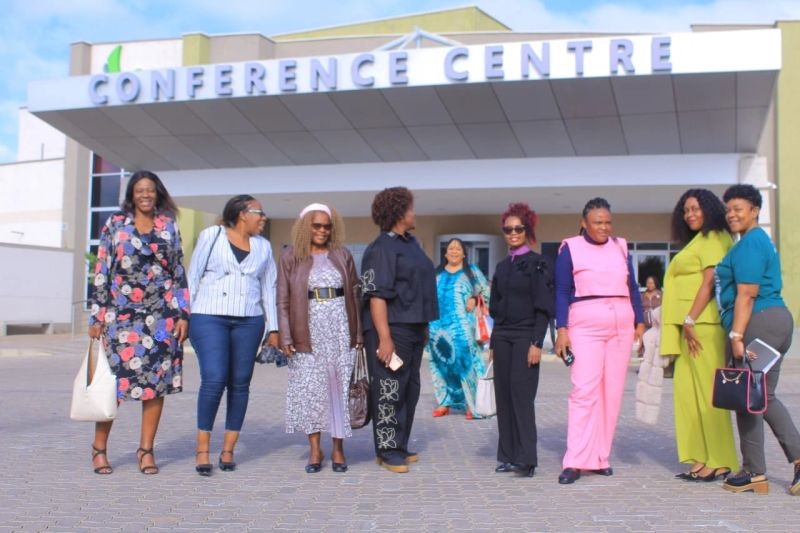
Judith Phiri [email protected]
THE Zimbabwe Artisanal and Small-Scale Women Miners Association (ZASWMA) continues to champion a bold women miners’ empowerment vision, strengthening regional collaboration through participation at annual strategic conferences and exchange programmes.
In Zimbabwe, women make up an estimated 10 percent to 15 percent of Zimbabwe’s national mining workforce, while they represent about 50 percent of artisanal and small-scale miners.
ZASWMA chairperson, Mrs Kundai Chikonzo Midzi said recently they attended the Women in Mining Botswana Organisation (WiMBO) Pitso conference in Botswana, reflecting their commitment to empowering women.
“May 2026 was a month of regional engagement, learning, networking and advocacy for women miners across Southern Africa. From 21 to 22 May 2026, ZASWMA participated in the WiMBO Pitso conference held in Gaborone, Botswana.
“It ran under the theme: “Unearthing Excellence: Women Transforming the Mining Value Chain.” This aligns with our 2026 theme “Strong Women, Sustainable Mining, Stronger Communities,” reflecting our commitment to empowering women and promoting sustainable growth in the mining sector,” she said.
She said the association strongly believes in supporting fellow women miners through powerful networking, collaboration and partnerships that create lasting impact.
Mrs Chikonzo Midzi said as part of its strategic approach, ZASWMA also values exchange programmes as a powerful tool for strengthening relationships and creating opportunities for one-on-one interactions.
“The association believes that face-to-face engagements allow women miners to share experiences, learn from one another and build stronger partnerships that contribute to sector growth.
“We also recently hosted a landmark exchange visit with the Federation of Women and Youth in Mining, Malawi. The exchange created an important platform for cross-border learning, allowing women miners from Zimbabwe and Malawi to share experiences, mining techniques, safety practices and strategies for strengthening women-led mining enterprises,” she added.
She said celebrating their one year anniversary, ZASWMA has successfully elevated the voice of women miners beyond Zimbabwe’s borders.
Mrs Chikonzo Midzi said they also participated in Mining Indaba 2026, Africa’s premier mining investment conference, joining global mining leaders, investors, policymakers and development partners in discussions shaping the future of the mining industry.
“ZASWMA has also participated in side sessions organised by the Intergovernmental Forum on Mining, Minerals, Metals and Sustainable Development (IGF), where key Artisanal and Small-Scale Mining (ASM) issues were discussed.
“Through these engagements, the association ensured that the experiences, opportunities and challenges facing women miners were represented on an international platform,” she said.
“For a one-year-old organisation, participation in Mining Indaba and IGF engagements represents a significant achievement and demonstrates ZASWMA’s growing influence within the mining sector.
She said they also celebrated a remarkable achievement when its members scooped six awards at the 2025 Women in
Mining Awards which recognised excellence, resilience, leadership and innovation among women miners.
ZASWMA programmes coordinator, Ms Priscilla Masuku said women miners contribute significantly to household livelihoods, community development, Zimbabwe’s economy.
“Yet they continue to face challenges such as informality, limited access to finance, health and safety risks, environmental concerns, and inadequate policy representation.
“To address these challenges, ZASWMA has adopted six strategic pillars that guide its work. Formalisation promotes legal recognition, compliance, and secure mining rights for women miners,” she said.
“Financial inclusion strengthens access to loans, savings, investment opportunities, and financial literacy. Health, safety and mental health focuses on safer workplaces, health awareness, personal protective equipment (PPE) use and mental wellbeing support.”
She said safeguarding ensures safe, inclusive mining environments free from harassment, violence, and discrimination.
Ms Masuku said environmental stewardship encourages responsible mining practices, land rehabilitation, waste management and environmental conservation.
“Policy advocacy and implementation amplifies women miners’ voices in decision-making and promotes gender-responsive policies. Together, these six pillars form a roadmap for creating an inclusive, safe, resilient, and sustainable mining sector where women miners can thrive and contribute meaningfully to national development,” she added.