Siphakeme .Mnindwa
Brandon Moyo, [email protected]
Amid growing calls for the International Cricket Council (ICC) to ensure an inclusive bilateral programme for all Full Members, Zimbabwe Cricket (ZC) chairperson Tavengwa Mukuhlani has criticised the current World Test Championship (WTC) cycle.
Zimbabwe, along with Afghanistan and Ireland, are the only three Test-playing nations excluded from the WTC, three cycles into its format. Only nine Full Members participate, with no explanation given for the omission of the other three.
Recent months have seen calls for the ICC to introduce a two-tier Test system, allowing for promotion and relegation, creating a pathway for other teams to compete against the ‘elite’.

The proposed second tier would include Zimbabwe, Afghanistan, Ireland, West Indies, and Bangladesh, while the leading boards – India, Australia, England, South Africa, Pakistan, New Zealand, and Sri Lanka – would compete in the top tier. However, this proposal has also faced scrutiny.
Many teams have been denied opportunities to play regular Test cricket, with the ‘big three’ – India, Australia, and England – enjoying significantly more game time. They frequently play five-match series against each other, while some teams are limited to two-match series.
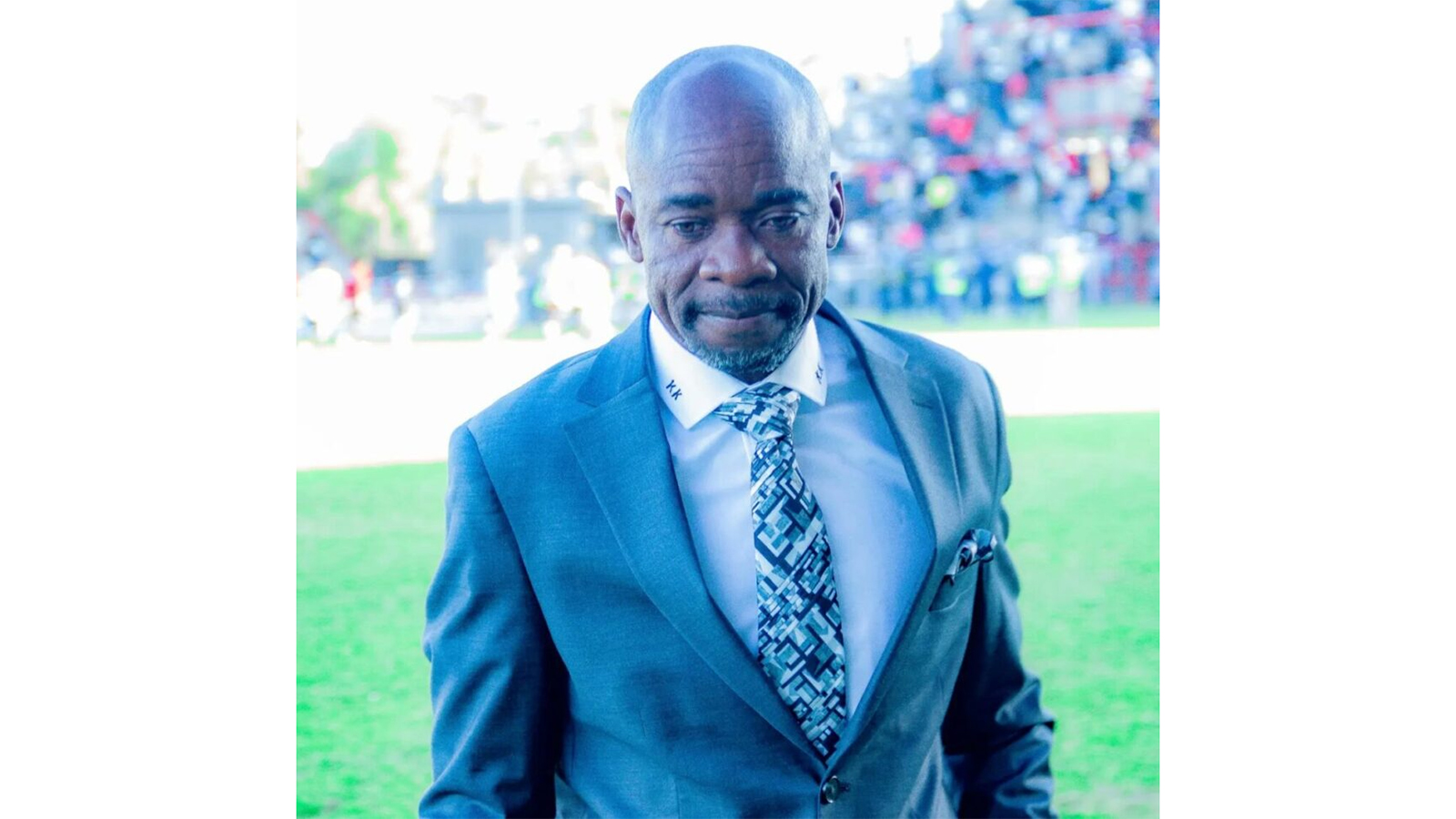
Mukuhlani, speaking to ESPNcricinfo, believes the current set-up is unfair and contradicts the logic of Full Membership.
“To be a Full Member, you must play all three formats. That is an eligibility criterion. So, every member must have an equal and fair opportunity to play all three formats, without discrimination. The current set-up negates the purpose of being a Test-playing Full Member,” said Mukuhlani.
Integration of Zimbabwe, Afghanistan, and Ireland into the WTC cycle can only happen after the current ICC Future Tours Programme (FTP) concludes in 2027.
Since 2020, Zimbabwe’s Test cricket activity has been minimal, averaging just two Tests a year. However, the current FTP schedules nine Tests for Zimbabwe this year. They have already played two: a New Year’s Day Test against Afghanistan and the ongoing Test against Ireland.

Following the Ireland Test, the Chevrons travel to England for a one-off four-day Test from 22 to 25 May, their first visit to England since 2003.
After England, Zimbabwe will host South Africa for a two-match Test series in June, their first against the Proteas in eight years, since a day/night pink-ball Boxing Day Test in Gqeberha in 2017.
The ZC boss expressed satisfaction with the growth of the domestic set-up, evidenced by the increasing number of overseas players participating. Will Fraine (Tuskers) and Alex Russell (Eagles), both English nationals, are among those playing in the current Logan Cup and Pro50 Championships.

While praising domestic structures, Mukuhlani lamented the talent drain, where players representing Zimbabwe at age-group level subsequently move abroad, often attracting interest from those countries while at university.
Mukuhlani argued that the receiving board should compensate Zimbabwe for the development work invested in these players.
“Our five-team Logan Cup is improving every season and attracting foreign players. But our biggest challenge, and one we have faced before, is that our good players, who we could bring into the Zimbabwe national set-up, end up mainly in England, but also in other countries.

“If a player has represented a nation at Under-19 level, particularly in a World Cup team, and then switches citizenship, the receiving board must pay us for development. It cannot be free,” said Mukuhlani.
Notable examples include Garry Ballance, who moved to England before returning to Zimbabwe in 2023, and Colin de Grandhomme, who moved to New Zealand. Ballance represented Zimbabwe at the 2006 Under-19 World Cup, and de Grandhomme at the 2004 World Cup.
-@brandon_malvin



 Online Reporter