Online Reporter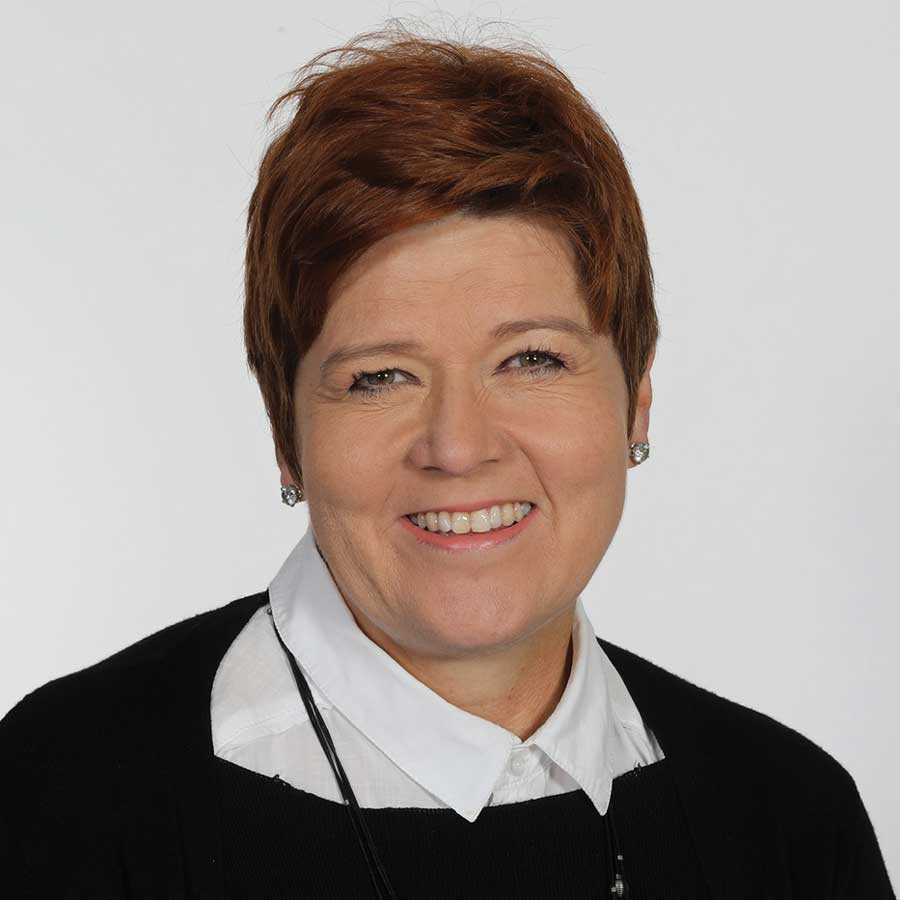
Business Reporter
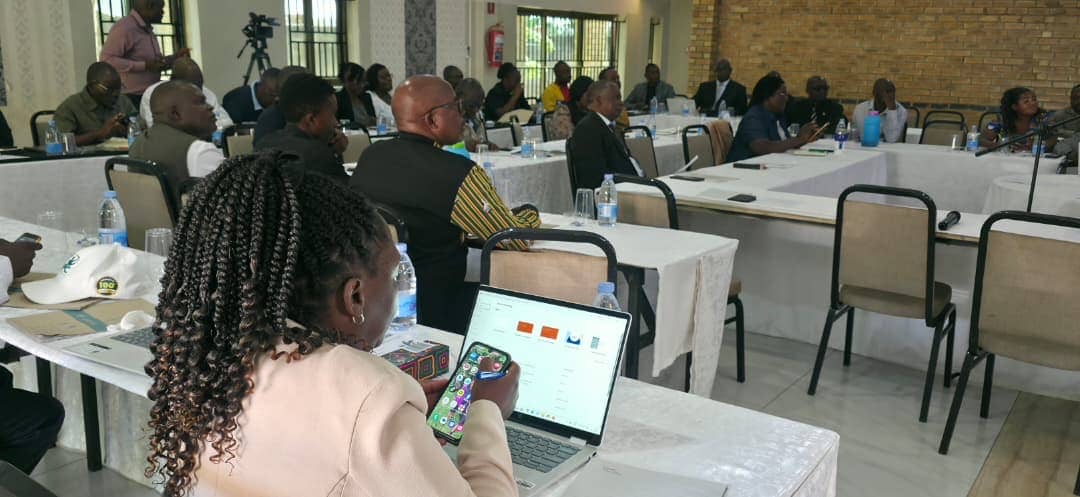
Zimbabwe must adopt a cautious, evidence-based approach to de-dollarisation and not expect the process to be complete by 2030, according to Prof. Charlotte Buitendag, who moderated a key panel at the ongoing Zimbabwe Economic Development Conference (ZEDCON).
During an interview, Prof. Buitendag stressed that while there is consensus on the need to escape the “dollar trap,” there is need to first have all the answers on how to proceed. “It is only proper that we don’t have answers to all the questions yet,” she stated, adding that Zimbabwe must “move very, very carefully forward.”
The central message from the panel was that de-dollarisation is not about abolishing the US dollar, but rather about “putting it in the right place where it belongs as a possible competitive asset in our economy along other potential currencies.” This sentiment reflects a growing urgency among policy leaders, academics, and other key players to achieve a more stable monetary regime.
Prof. Buitendag emphasised the importance of understanding the historical roots of Zimbabwe’s economic challenges to avoid simply treating symptoms. She argued for an integrated, rather than silo-based, perspective, noting that decisions by institutions like the Reserve Bank of Zimbabwe or the Ministry of Finance, Economic Development and Investment Promotion create “ripples” that affect the entire economy.
To ensure success, she said, policy revisions must be grounded in strong evidence, lessons learned from the past, and a clear plan with measurable targets. When asked if the country would be ready by 2030, Prof. Buitendag said while “definite targets” can be set and met by that time, she considers “complete success” within the next five years to be “most unlikely.”
She concluded that a dedicated, evidence-based approach will build the trust and confidence needed for all Zimbabweans, including investors and citizens, to “pull together” and for market forces to eventually lead to a more stable “monocurrency regime.”
Prof. Buitendag is serving as Professor in Simulation and Futuristic Studies at the Thabo Mbeki Graduate School for Public and International Affairs, Unisa. She has previously served as Professor of Economics at the University of Pretoria.
She is a board member of the Reserve Bank of South Africa.