Online Reporter
Nqobile Bhebhe [email protected]
THE Zimbabwe Economic Development Conference (ZEDCON) 5th annual edition kick-off this morning in Bulawayo with various presentations lined up to explore how smart infrastructure can accelerate the country’s transition towards an upper middle-income society.
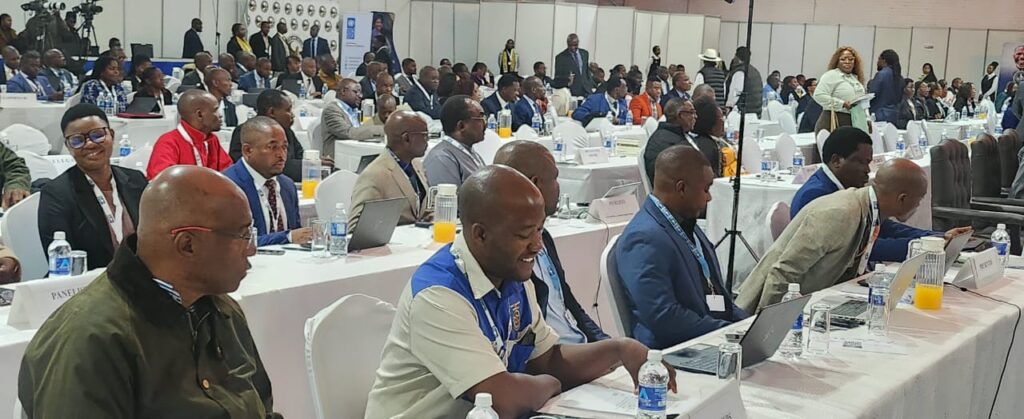
Running under the theme “Smart Infrastructure for an Upper Middle-Income Society”, the conference will open with discussions on homegrown financial technology, financial inclusion, diaspora savings and the impact of geopolitical developments on Zimbabwe’s economy.
ZEDCON has evolved into a critical interface between policymakers and knowledge producers, providing a platform where research, economic analysis and practical experience can feed into policy formulation.
Its role extends beyond dialogue, with the conference providing evidence-based recommendations that feed into national development strategies and economic blueprints.
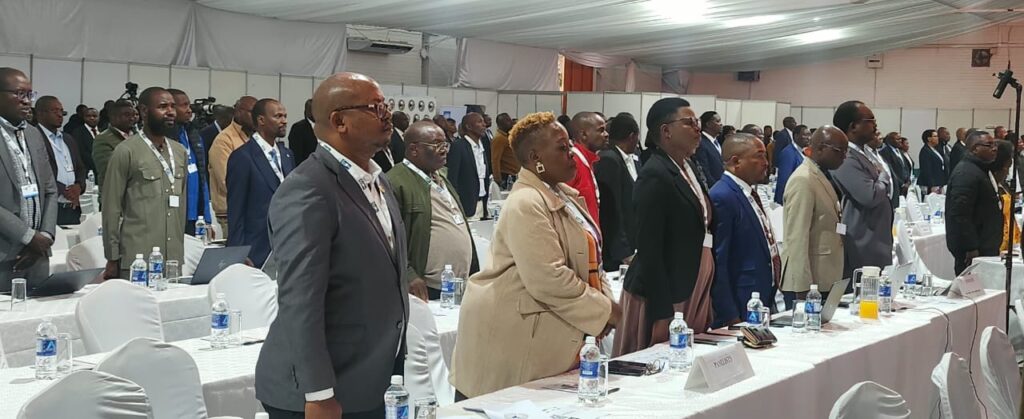
Deputy Minister of Finance, Economic Development and Investment Promotion David Kudakwashe Mnangagwa is scheduled to deliver conference objectives and remarks, while the contribution of last year’s ZEDCON papers to national economic policy will also be reviewed by the Ministry of Finance’s Senior Economic Advisor, Professor Ashok Chakravarti.
The first substantive session will focus on homegrown fintech and financial inclusion, positioning digital financial systems as a critical component of infrastructure required to support an upper middle-income economy.
Mr Frank Kundeya will present a paper on homegrown fintech as smart infrastructure, using a global policy benchmarking analysis, while Mr Robert Mwanyapedza of IPEC will examine ways of mobilising diaspora remittances for long-term savings and advancing National Development Strategy 2.
The presentations will be followed by a plenary discussion involving financial-sector stakeholders, including representatives from the Deposit Protection Corporation, Securities and Exchange Commission of Zimbabwe and Dr Nothando Moyo.
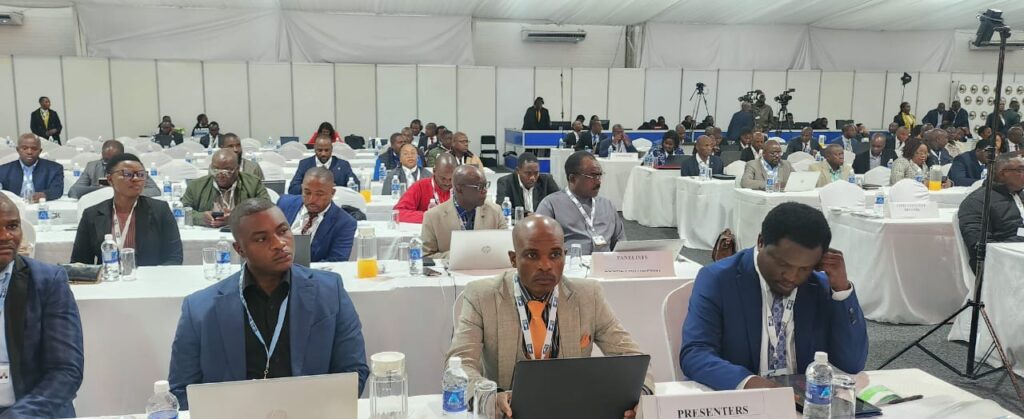
The afternoon programme will shift to the current economic situation and geopolitical impacts on Zimbabwe, with the Reserve Bank of Zimbabwe presenting an assessment of the macroeconomic impact of the conflict in the Middle East.
The Day One programme places financial innovation and external economic shocks at the centre of the development debate, providing a platform for policymakers, researchers and private-sector players to examine how Zimbabwe can strengthen economic resilience while mobilising financing for development.
The discussions come as ZEDCON continues to provide an interface between economic research, policymaking and national development priorities, with the conference programme designed around practical policy and investment issues.