

 Online Reporter
Nqobile Bhebhe [email protected]
THE Zimbabwe Environmental Law Organisation (ZELO) has urged the Government to establish Special Economic Zones (SEZs) dedicated to lithium and other critical mineral beneficiation into high-value products, in a move aimed at plugging mineral leakages and accelerating industrialisation.
The call comes in the wake of the Government’s decision to ban the export of lithium concentrate until further notice, a policy intervention widely viewed as a strategic step towards enhancing local value addition and maximising returns from the country’s vast mineral resources.
In a statement, ZELO commended the thrust towards beneficiation and called for structured industrial frameworks to fully realise the benefits of the ban.
“Establish Special Economic Zones (SEZs) for beneficiation. Create Special Economic Zones dedicated to lithium and critical mineral beneficiation into high-value products such as lithium metal oxide cathode material, graphite anode material, lithium-ion batteries, turbines and solar panels.
“These SEZs can serve as catalysts for industrialisation and investment aligned with Vision 2030 and the National Industrial Development Policy,” it said.

Zimbabwe holds some of the world’s largest lithium deposits and has in recent years emerged as a key player in the global energy transition value chain.
The ban on lithium concentrate exports is designed to ensure that the country moves up the value chain and retains more economic benefits through domestic processing and manufacturing.
ZELO stressed that beyond beneficiation, Zimbabwe must also adopt deliberate market diversification strategies to strengthen resilience and competitiveness.
It noted the need to develop national strategies aimed at reducing reliance on a single export market.
“This can be achieved by exploring new global trade partners, expanding market outreach and aligning domestic production with international demand trends.
“Market diversification will enhance resilience, improve competitiveness and strengthen Zimbabwe’s bargaining power.”
The organisation further recommended broadening investor participation in the lithium sector to enhance competition and attract diversified investment portfolios.
“Encourage competition and broaden investor participation in the lithium sector,” read part of the statement.
“This can be achieved by engaging additional investor countries through trade fairs, diplomatic missions and international partnerships. Government should leverage regional trade agreements such as AfCFTA, SADC and COMESA to attract diversified investment portfolios and enhance Zimbabwe’s integration into regional and global value chains.”
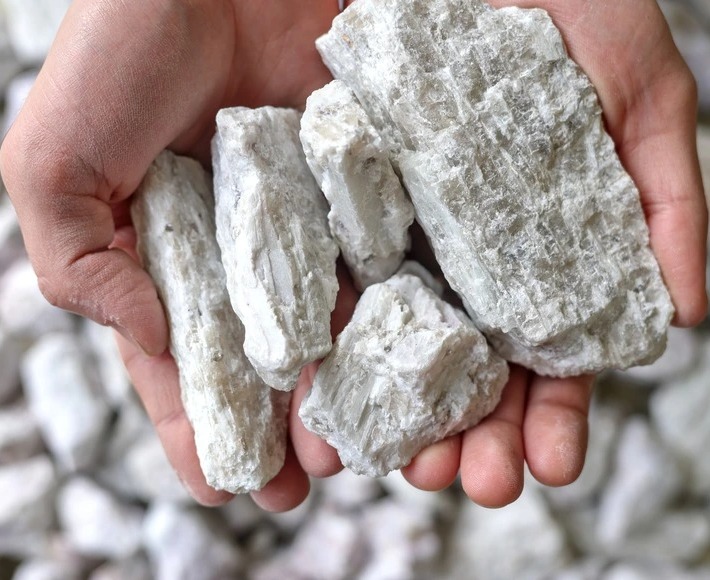
The organisation also called for enhanced collaboration between local and international players through joint ventures and public-private partnerships to promote technology transfer and skills development.
“The Government should encourage joint ventures and PPPs between local and international actors across the lithium value chain. Such partnerships should prioritise the establishment of Approved Processing Plants (APPs), energy hubs and skills development programmes to promote technology transfer and local capacity building.”
With lithium increasingly central to global clean energy systems, stakeholders say Zimbabwe stands at a pivotal moment to transform its mineral wealth into broad-based industrial growth, employment creation and sustainable economic development in line with Vision 2030.


