admin
admin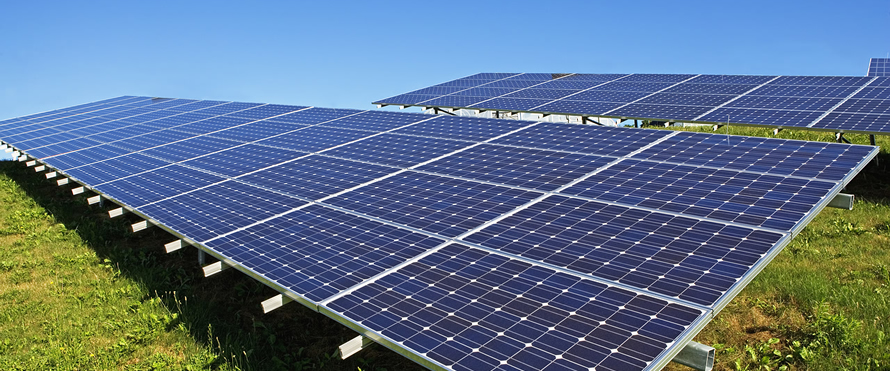
Dumisani Nsingo Senior Business Reporter
DESPITE the fact that Zimbabwe is among the few countries in southern Africa with the best conditions for solar photovoltaic and a power deficit of more than 1 000 megawatts (MW) only three players have so far applied to set up solar plants to feed into the country’s electricity grid. Zimbabwe Energy Regulatory Authority (Zera) chief executive officer
Engineer Gloria Magombo said the organisation received three applications for the setting up of solar plants in different parts of the country and approved one of the applicant’s submissions.
“Zera is in receipt of three applications from companies who intend to set up solar power plants in different parts of the country. One company intending to undertake a 175 MW solar plant has had its application approved. Two other applications are still being processed,” Eng Magombo said.
Sinogy Power Zimbabwe (Pvt) Limited plans to construct a 175 Megawatts solar photovoltaic power plant at Chapfucheche Farm in Beitbridge for the purpose of electricity generation and supply.
The solar plant will include the construction of a 220-kilometre transmission line for the transmission of power from the proposed Sinogy solar plant.
ZTE Corporation of China has plans to set up a solar equipment manufacturing plant after sealing a multi-million dollar solar energy deal with the Zimbabwe Power Company last month.
The Chinese company inked the country’s first major national solar project with ZPC and Intratrek Zimbabwe for the construction of a 100 megawatt Gwanda power plant in a $146 million deal.
Zera has licensed 627 petroleum players this year up from the 549 licensed last year. These include procurement, production, wholesale, retail and blending. It has also licensed 14 Liquefied Petroleum Gas (LPG) wholesalers and 37 LPG retailers.
“Four players in the electricity sub-sector were licensed in 2015. Six hundred and twenty-seven petroleum sector licences have so far been issued. These include procurement, production, wholesale, retail and blending,” Eng Magombo said.
The authority has, however, carried out 11 compliance audits and issued non-compliance orders to Zimbabwe Electricity Transmission and Distribution Company.
“These are under varying stages of redress. Draft performance regulations for generation, transmission and distribution are under review pending promulgation; these set stringent penalties for non-compliance,” Eng Magombo said.
To ensure compliance, Zera has been carrying out countrywide training of LPG fillers and service station operators. More than 1 000 fillers and operators in Harare, Bulawayo, Mutare, Gweru and Masvingo have been trained on petroleum standards since 2014.
Inspection of fuel retail sites in 2014 showed an average compliance to petroleum infrastructure standards of 77 percent. Fuel quality monitoring of fuel retail sites during the same year showed an average compliance to fuel quality standards at 99,3 percent.
“Where non-compliance was observed, operators have had their sites closed and have been prosecuted through the courts. In some cases operators have had their fuels confiscated to the State.
“The level of compliance to licensing at national level is at 98 percent. This level of compliance has been achieved through compliance visits and prosecutions where there is non-compliance,” Eng Magombo said.


 derick.khumalo