admin
admin
Mashonaland West Bureau
ZIMBABWE Energy Regulatory Authority (ZERA) has embarked on an ambitious drive to push for research on the production of lithium-ion batteries to help cut on emissions.
The energy regulatory board is dovetailing the Second Republic’s agenda of creating a safe and green environment that corrects the imbalances posed on the climate.
Like the rest of the world, Zimbabwe is battling unpredictable weather patterns, low rainfall, heat waves, and other challenges that have led to reduced agro-yields due to climate change.
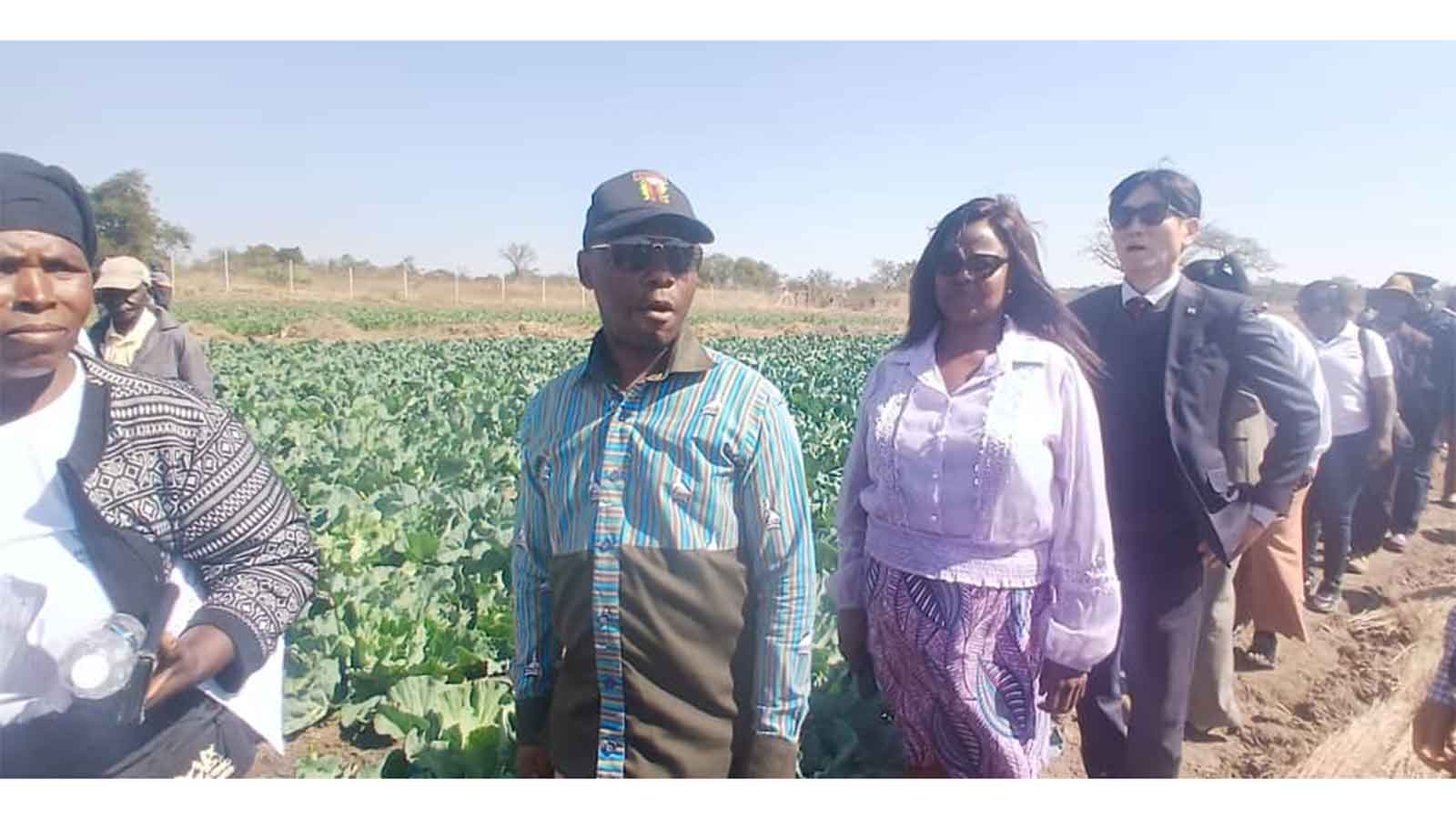
Hinting at the new path to various stakeholders during the preliminary stages of review of a low-cost and energy-efficient tobacco barn in Chinhoyi recently, ZERA’s chief executive officer, Mr Eddington Mazambani, said going green was the country’s ultimate goal to address climate change.
ZERA bankrolled at least US$56 000 into the research of a barn that uses at least two-thirds of the firewood needed in a conventional barn.
“We can’t keep exporting raw materials including lithium then buy expensive materials produced from them. As ZERA, we are engaging researchers and those companies that manufacture batteries to have our own lithium-ion batteries.
“World-over, nations are shifting to lithium-ion batteries even in cars and as a nation, we purchased our own for exhibitions. The researchers are going to help Zimbabwe manufacture its own batteries using locally available lithium raw material,” said Mr Mazambani.
The nation’s Research Council of Zimbabwe (RCZ) received 14 research proposals that experts reviewed and according to score and merit ranking, Lithium-ion batteries manufacturing and power density and durability assessment of locally produced batteries were considered among the top six.
“The Authority is planning to support and fund the top 6 project proposals subject to funds availability,” said Mr Mazambani who added that President Mnangagwa was calling researchers including universities to be also hands-on.
Responding to the country’s call for green energy, Chinhoyi University of Technology (CUT)’s Innovation Hub is finalising plans to produce lithium-ion batteries for its operations and resell.
CUT’s Innovation Hub, through the university, is accessing the lithium spodumene ore from Bikita Minerals which it is processing to access the lithium needed for battery production with prospects of producing the batteries for commercial purposes as well.
A Spodumene is a pyroxene mineral consisting of lithium aluminum inosilicate and is a source of lithium.
The Hub’s acting director, Professor Wilbert Mtangi who also directs the Institute of Materials Science Processing and Technology, told The Herald that the incubation of the lithium-ion battery production was almost complete.
“We are getting the lithium spodumene ore from Bikita Minerals, which we are processing so that it gives us lithium needed for lithium-ion battery production. The batteries will be for the institution’s power energy as we try to address challenges of power cuts.
“There is also hope that we will be going commercial on the batteries,” he said.
RCZ’s board chairman, Professor Zororo Muranda conceded that for Zimbabwe to attain vision 2030 of achieving a middle-income economy through National Development Strategy 1, policy and decision making have to be informed by research.


 Online Reporter