admin
adminare going for as long as up to 15 hours without electricity.
Zesa announced the increased load shedding in a statement yesterday, but did not specify which of its power stations had a slump in electricity generation. The company did not also give details on how its capacity to import had diminished.
Recently, Mozambique threatened to switch off Zimbabwe over a US$5 million debt. Hydro Cahora Basa of Mozambique supplies Zimbabwe with about 500 Megawatts to cover shortfalls.
Zesa has capacity to generate between 900 megawatts and 1 200 megawatts against a national demand of 1 900 to 2 200 Megawatts. The shortfall is being covered by electricity imports from Mozambique and the Democratic Republic of Congo.
“Zesa Holdings would like to advise all its valued customers countrywide that there is an increase in load-shedding outside the publicised schedules due to depressed local generation. The situation is being further compounded by depressed capacity to import power from the region.
“In the meantime, all efforts are being put to alleviate the situation. Consumers are therefore urged to use the available electricity very sparingly to mimimise the effects of load shedding,” Zesa said in the statement.
Efforts to get details from Zesa spokesperson Mr Fullard Gwasira were futile because he was waiting for clearance from his bosses before he could respond to questions. Consumers yesterday queried why Zesa sends them high bills when they were spending long periods without power.
“After going through this agony, what you see at the end of the day is Zesa sending high bills when we have spent the huge part of the month without electricity.
“How do they end up with these bills when electricity is not there?” asked Mr Roy Makoni of Mufakose.
He added: “To worsen the situation, they don’t have an efficient billing system and they don’t capture payments on time. It simply means that we are being punished for their shortcomings.”


Online Reporter
- Herald
- September 25, 2026
- 3 views
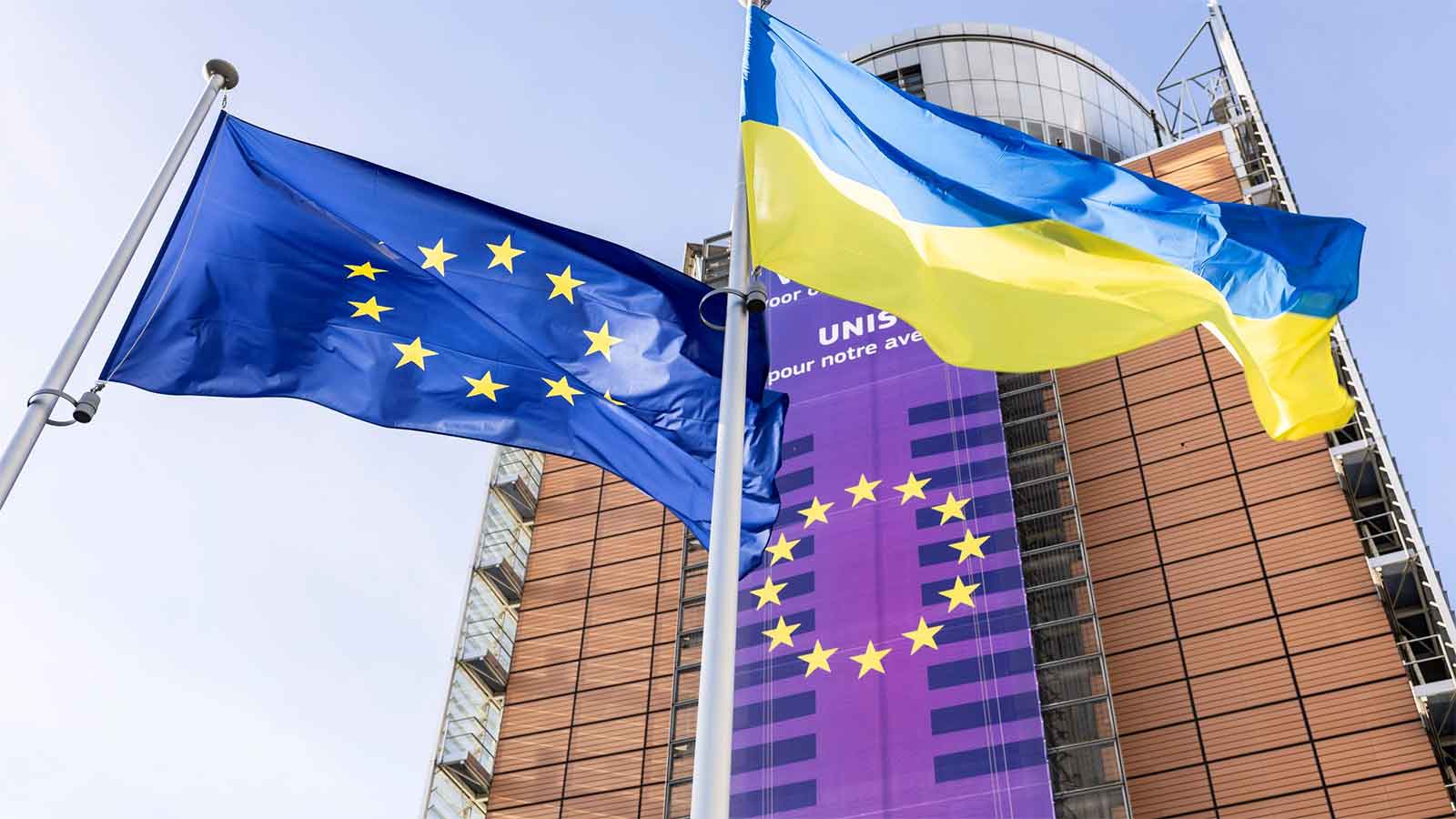
EU slammed over transfer of Russian profits to Ukraine
The European Union is committing “theft” by handing over profits from frozen Russian assets to Ukraine, Kremlin spokesman Dmitry Peskov has said. The bloc’s conduct is illegal, spokesman Dmitry Peskov…