Online Reporter
Ivan Zhakata
Herald Correspondent
ZESA Holdings has launched its certified Aviation Training Organisation (ATO) and graduated 235 students from its National Training Centre, in a strategic move to bolster technical capacity and advance Zimbabwe’s digital and energy transformation goals.
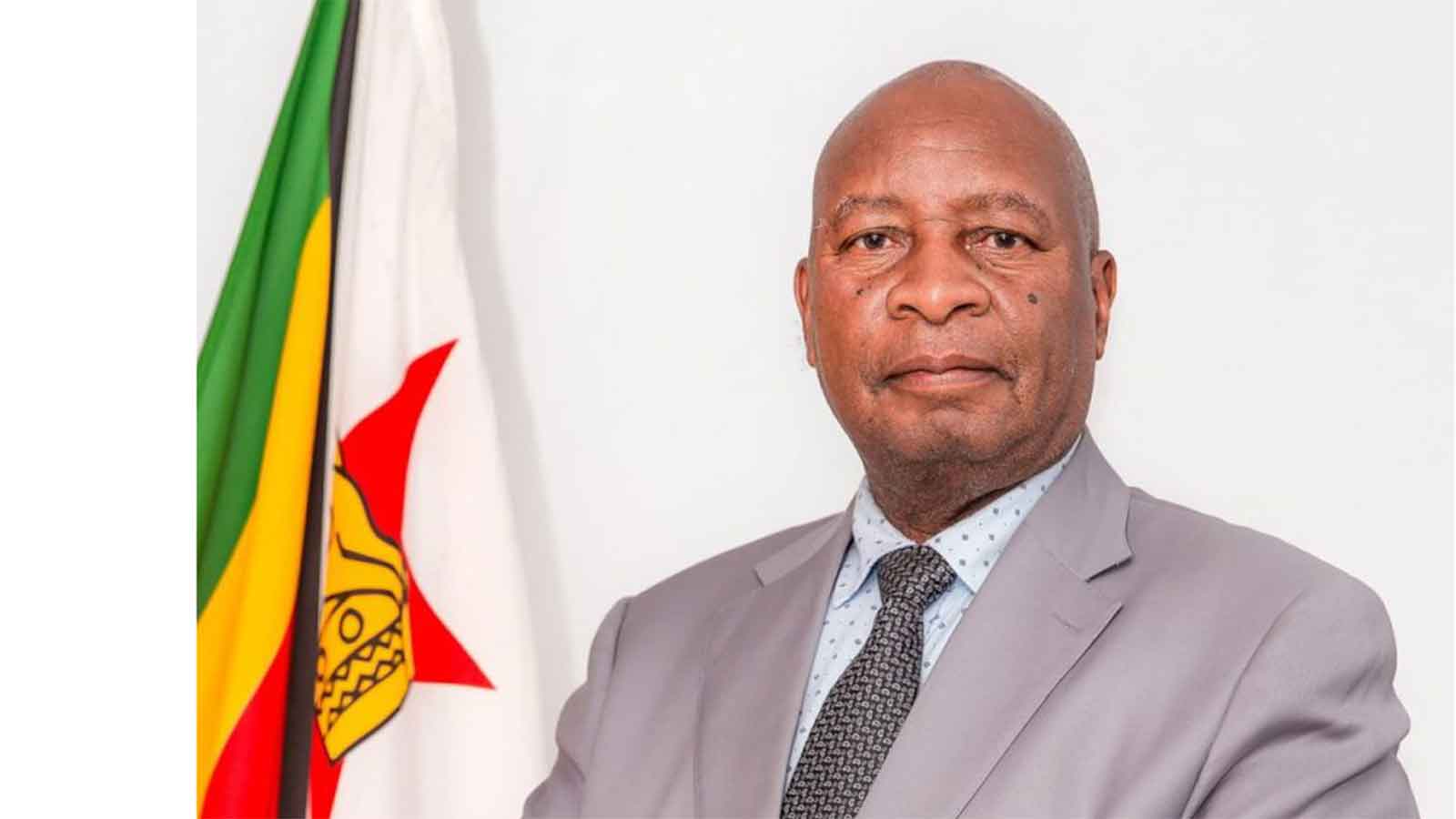
ZESA executive chairman Dr Sydney Gata officiated at both events held at the utility’s training facility in Harare.
The ATO launch marked the introduction of a structured drone training programme aimed at equipping Zimbabweans with critical skills for the digital economy.
“The certification we unveil today is not merely a badge of honour. It stands as a cornerstone in our commitment to creating the skills necessary for a digital economy,” said Dr Gata.
The drone training programme is expected to support innovation and infrastructure resilience in key sectors such as energy, agriculture, mining and logistics.
Trainees will receive instruction on drone operation, maintenance and regulatory compliance.
Dr Gata referenced global trends and said China’s success in creating a low-altitude economy through drone technology was a model Zimbabwe could emulate.
“With institutions like the ZESA National Training Centre, we too can reach similar milestones in the near future,” he said.
Dr Gata said the initiative aligns with the Government’s Education 5.0 policy which prioritises innovation, industrialisation and problem-solving in education.
At the graduation ceremony, Dr Gata congratulated the 235 students who completed National Certificate and Diploma programmes in Electrical Power, Power Plant Operations and Line Construction and Maintenance.
He said the National Training Centre was established in response to a post-independence skills gap following the departure of the utility’s white technical workforce.
“ZESA had witnessed a significant exodus of its skilled personnel and local institutions lacked the capacity to meet our manpower needs. This inspired the creation of our own training centre,” Dr Gata said.
Dr Gata said graduates play a critical role in addressing challenges such as aging infrastructure, rising electricity demand, network losses and climate-related disruptions.
“Whether you restore faults, optimize plant performance, or install new systems, your work directly contributes to our mission of achieving Total Access to Power and Data by 2030,” he said.
The ZESA chief also said there were improvements in national electricity generation and the allocation of 150MW for winter wheat farming showed progress under President Mnangagwa’s Vision 2030.
Dr Gata called on ZESA management to create opportunities for graduates to apply their skills, adding that talent retention and development were essential for meaningful reform.
“We are not just powering homes and businesses,” he said.
“We are enabling development, creating opportunities and driving inclusive growth.”