admin
admin
with the Zimbabwe Energy Regulatory Authority approving an increase of 9,86c kilowatt per hour from 9,83c.
Zesa Holdings, through the Zimbabwe Electricity Transmission and Distribution Company, had applied for an average tariff increase of 9, 94c kW/h.
The regulatory authority also reduced tariffs for consumers on the maximum demand category by about 20 percent.
These include mining, industrial, commercial and pumping works customers.
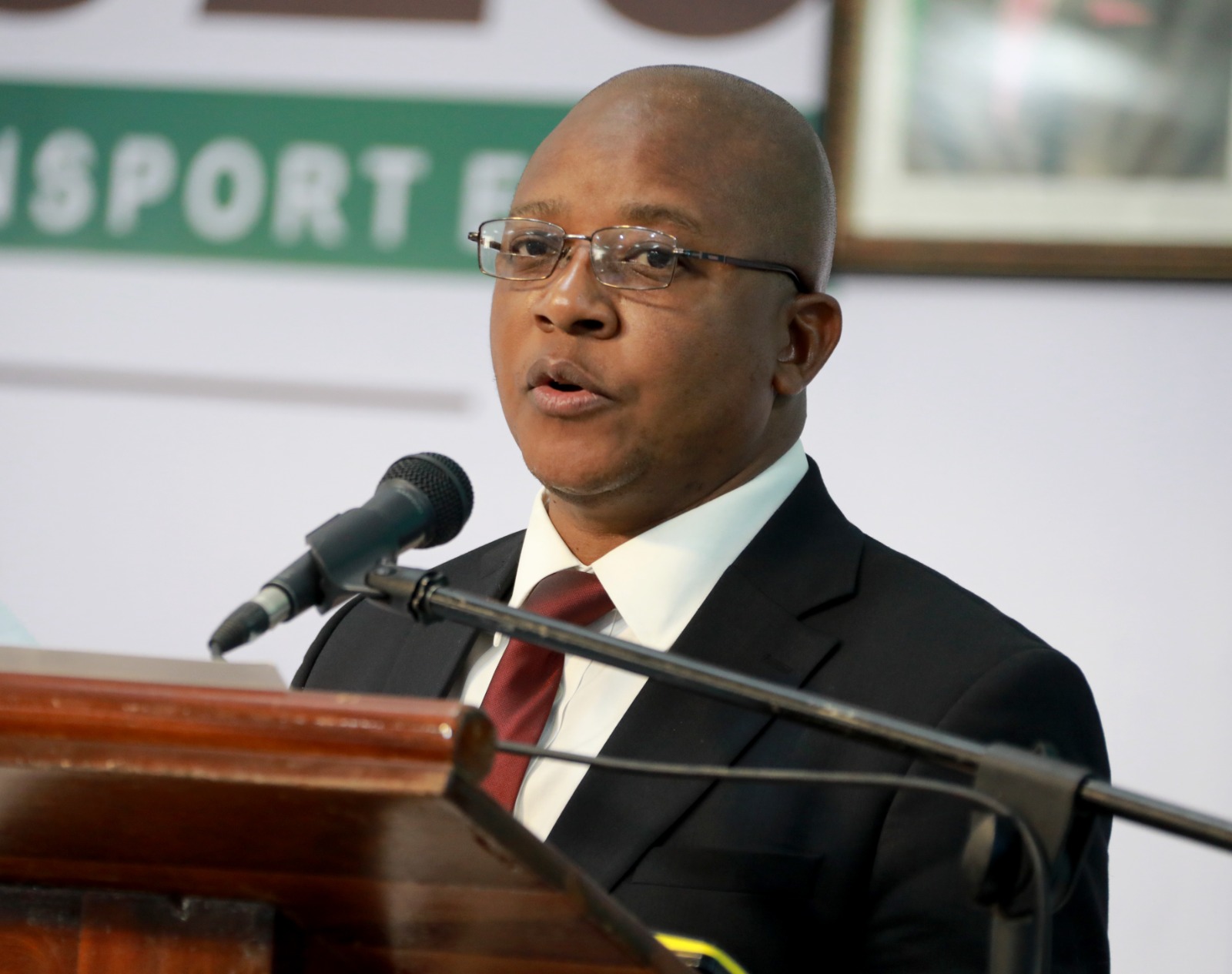
ZERA chief executive Engineer Gloria Magombo yesterday said in coming up with the new tariff structure, the regulatory authority considered consumer concerns requiring fair tariffs.
She said ZERA had also considered the need to improve on the production levels at power stations.
There was also a need to allow the power utility to access more electricity from regional suppliers, she said.
“The ZERA Board at its meeting of 21 December, 2012 considered the ZETDC application for a weighted average tariff of 9.94c kW/h.
“The Board settled for 9,86c kW/h after considering many issues which also included the need to allow for prudently incurred expenditure and the need for higher levels of efficiencies in the provision of electricity,” she said.
She said the approved tariffs would be enough to cover the power utility’s operations and maintenance costs.
“The tariffs are enough to cover revenue requirements as applied by ZETDC including equipment and refurbishment.
“The tariff application review was made in terms of the gazetted rate of return pricing methodology which allows utilities to recover efficient cost of supply and enables them to recover a return on investment,” Eng Magombo said.
She said Zera had reduced tariffs for industrial customers.
“This is due to the recognition that capacity charges had to be adjusted for capacity shortfalls and encourage consumers to shift loads to off peak,” she said.
The approved tariff, Eng Magombo said, did not affect consumers with Special Pricing Agreements and Power Purchase Agreements approved by ZERA.
“In its quest to make electricity tariff more reflective on the efficiently incurred costs, ZERA has engaged an independent consultant to carry out a comprehensive cost of supply study whose results are expected by May this year,” she said.
“Further reviews on the tariff structure including the possibility to increase in the threshold of maximum demand customers from 300 kVA to 100 kVA and reintroduction of the fixed monthly charges will be covered as a part of the study.
“The new tariffs will be reviewed quarterly and if necessary, adjusted using the Tariff Indexation Formula.
“It is the ZERA Board’s intention that subsequent to the cost of supply study, tariff reviews will be more long term to ensure transparency and predictability.”
She said the approved tariffs compare favourably with those in the region.
“Any comparison of tariffs across the region requires that one looks at the sources from which the electricity is being supplied in each country which is often referred to as the energy mix,” she said.
“Where there is dominance of the production of electricity from thermal sources the costs are in most cases higher hence higher tariffs. This is the case with South Africa, Namibia and Zimbabwe.”



 Online Reporter