

 Online Reporter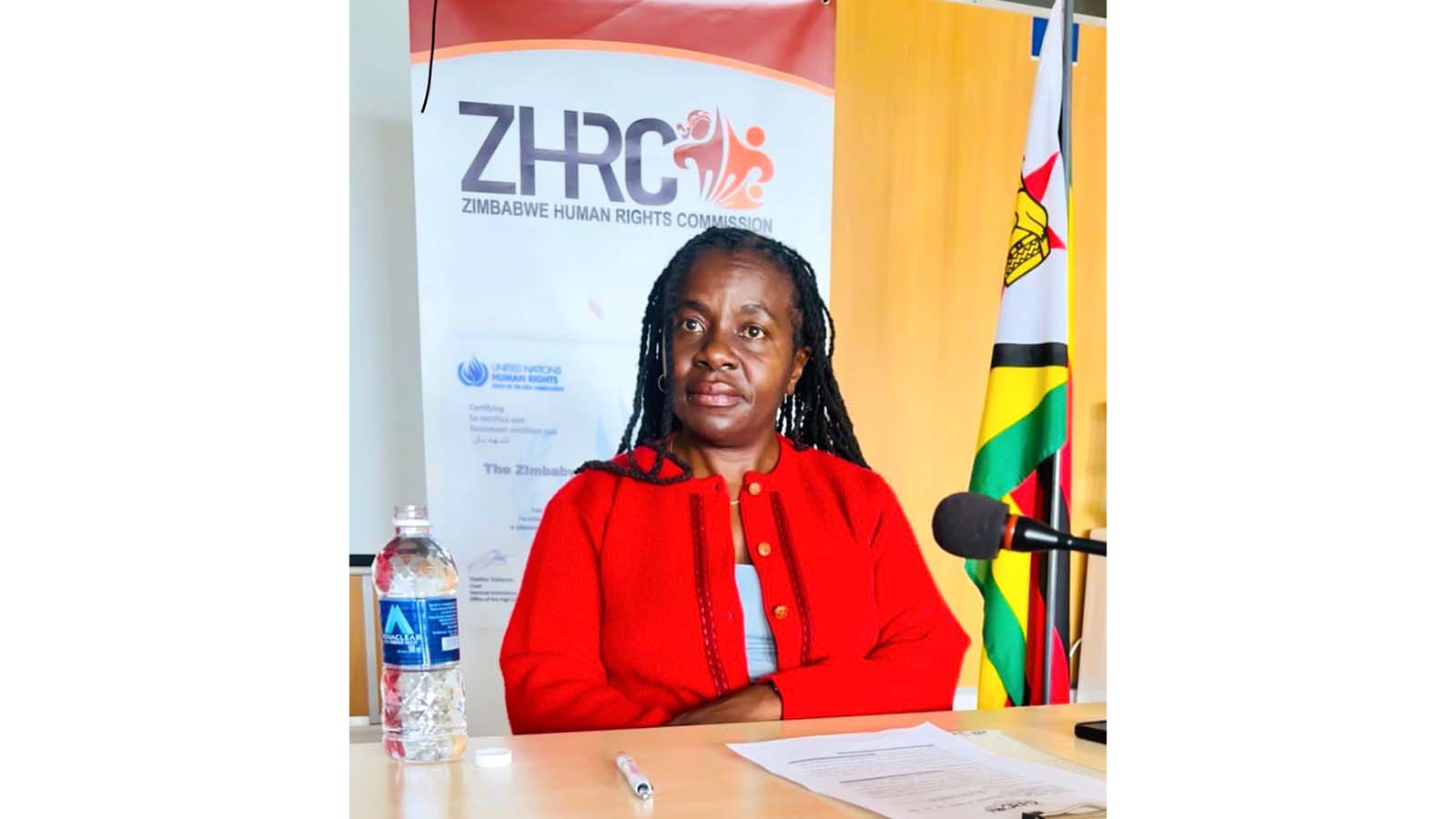
Takunda Gambiza and Obey Musiwa
ZIMBABWE Human Rights Commission (ZHRC) chairperson Ms Fungayi Jessie Majome has assumed the role of chair of the Finance Committee of the Global Alliance of National Human Rights Institutions (GANHRI), marking a significant milestone in Zimbabwe’s engagement with global human rights governance.
Her appointment places Zimbabwe at the heart of international financial oversight for human rights institutions, ensuring that global funding decisions reflect the realities of under-resourced commissions across Africa.
The finance committee’s mandate includes reviewing budgets, monitoring transparency, and advising on sustainability models, responsibilities that directly influence how national institutions worldwide can deliver on their mandates.
In a previous interview with Zimpapers, Ms Majome said her role is to bridge global financial governance with regional and national human rights implementation, amplifying Zimbabwe’s voice in shaping international accountability.
“It is such a privilege so far to be in this position, which connects Zimbabwe to the rest of the world regarding our human rights narrative,” she said..
“I go into this role with humility, gratitude, and determination to represent Africa well regarding the finances of this global institution.”
Ms Majome’s election follows GANHRI’s rotational system, where regional blocs nominate representatives to serve three-year terms.
She replaced Malawi Human Rights Commission Chairperson Scader Louis, taking up the mantle on behalf of the Network of African National Human Rights Institutions (NANHRI).
In this regard, she said her appointment reflects Africa’s turn in the rotation, positioning Zimbabwe to influence how global resources are mobilised and safeguarded.
“Southern Africa bestowed that trust in me to represent them in the bureau, and it is been a learning experience about how, in our different parts of the world, we are all working hard to promote human rights,” she said..
“Funding is not always in abundance, and most national human rights institutions share the same struggle.”
For Africa, where institutions often face budgetary constraints, this leadership is crucial in advocating for equitable resource allocation.
Ms Majome said her leadership ensures that Africa’s funding challenges are not sidelined but integrated into global financial strategies.
“Sometimes we mourn a lot in Zimbabwe about limited budgets, but it’s not much comfort that most institutions worldwide face the same difficulty. This role allows us to make sure those realities are reflected in global decisions,” said Ms Majome.
Appointed to the ZHRC in March 2024, she quickly rose to represent Southern Africa in GANHRI’s Bureau and played a pivotal role in reviving the dormant SADC Alliance of National Human Rights Institutions.
She emphasised that her story illustrates how Zimbabwean leadership is shaping international human rights governance, turning challenges into opportunities for influence.
“One of the achievements I am proud of is bringing to life the SADC Alliance of National Human Rights Institutions, which had been dormant since 2017,” she said.
“It has been very exciting to see it hold its first meetings and assemblies, linking our region to global platforms.”



