Online Reporter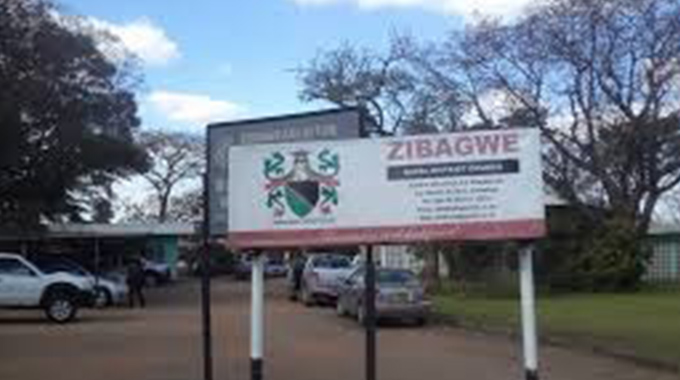
Patrick Chitumba, [email protected]
ZIBAGWE Rural District Council (RDC) has established Starlight Primary School in Ward Three as part of efforts to improve access to education in underserved rural communities and advance the national Vision 2030 agenda.
The new school comes at a time when Kwekwe District faces a significant infrastructure deficit, with a shortfall of 36 primary schools and 48 secondary schools required to meet national education planning standards.
The district is also grappling with a high dropout rate of 46 percent between primary and secondary level, largely attributed to long distances pupils travel to access secondary schools.
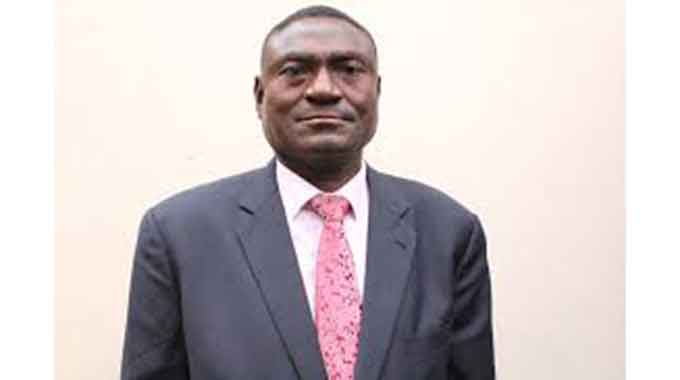
Zibagwe RDC chief executive officer Mr Farai Machaya said the establishment of Starlight Primary School is expected to ease pressure on existing institutions and improve literacy levels in the district.
“As Zibagwe Rural District Council, we have established Starlight Primary School in Ward Three to improve access to education for children in under-served rural communities in line with Vision 2030,” he said.
Mr Machaya said the project was a collaborative effort involving the Ministry of Primary and Secondary Education, the Ministry of Lands, Agriculture, Fisheries, Water and Rural Development and the Department of Spatial Planning to ensure the school is properly sited and aligned with national development frameworks.
He said the initiative supports the Education 5.0 strategy, which aligns with Vision 2030 and focuses on innovation, technology and industrialisation through education.
“As council, we are pushing Government programmes in line with Vision 2030, which emphasises inclusive and equitable quality education. The goal is to ensure all girls and boys complete free, equitable and quality primary and secondary education,” said Mr Machaya.
He added that the council is also working towards promoting lifelong learning opportunities, eliminating gender disparities and ensuring equal access to all levels of education and vocational training.
The new school is expected to benefit children who previously had to travel long distances to access primary education, a key barrier that has contributed to school dropouts in rural communities.
By expanding education infrastructure, the council hopes to narrow the access gap and contribute meaningfully to human capital development in the district.