

 Online Reporter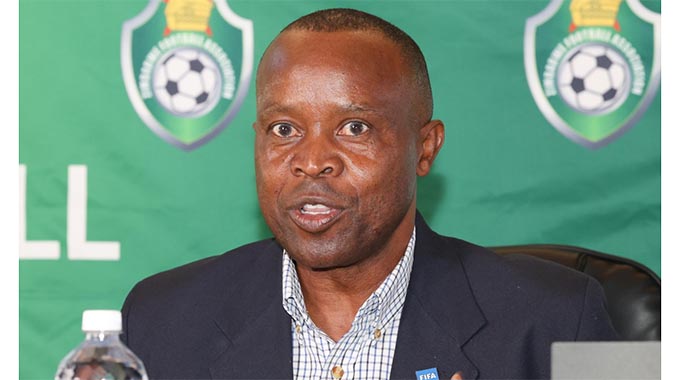
Veronica Gwaze, Zimpapers Sports Hub
FIFA has been impressed by Zimbabwe’s renewed push to revive women’s football following a series of robust stakeholder consultation meetings spearheaded by the Zimbabwe Football Association (Zifa) this week.
Held in Harare on Tuesday, and continuing in Gweru, Bulawayo and Masvingo, the meetings exposed deep-rooted structural weaknesses that have stunted the growth of the women’s game, and mapped out a path for rebuilding it.
Dubbed stakeholder consultation meetings, the indabas are part of Fifa’s broader initiative to support its member associations in crafting viable, long-term strategic plans to grow women’s football.
Speaking after the Harare leg of the meetings, Zifa Technical Director Jethro Hunidzarira said it was clear the local game is failing at the most crucial level.
“The challenges begin at grassroots level, where major aspects require modification,” Hunidzarira said.
“The challenges then extend to the crucial links between grassroots, youth and elite levels of the sport . . . there is no harmony across these levels. If we fail to speak in one voice and have a unity of purpose, then reviving the women’s game will be difficult.”
In the capital, participants highlighted the lack of a clear development pathway, inadequate competitions, and poor infrastructure as some of the pressing issues.
There was also consensus that Zimbabwe’s national women’s teams, once formidable on the continent, have declined significantly due to years of neglect.
A decade ago, the Mighty Warriors were Southern Africa’s pride, lifting the Cosafa Cup and earning a historic qualification for the 2016 Rio Olympics.
Since then, the game has been on a downward spiral, with no meaningful investment or structured growth.
“There is a need for improved infrastructure and an increase in the number of competitions that our teams participate in,” Hunidzarira added. “But positively, there is shared appreciation for the slight growth and clear direction in our game despite little investment being channelled into it.”
He said a key part of reviving the game lies in building self-sustaining financial models, pushing for greater club sustainability, professionalising operations, and incentivising individuals working on the ground.
Theresa Maguraushe, Chairperson of the Zimbabwe Women’s Premier Soccer League, stressed the need for synchronisation within governance structures and improved branding.
“These issues are very key. Additionally, we also need well-organised competitions because without that, we will continue to create a cycle of missed opportunities,” said Maguraushe.
“There is an urgent need to implement strong grassroots structures so that we are able to develop our game from the base.”
Maguraushe warned that top down approaches, prioritising elite competitions while neglecting youth systems, risk long term damage, as the pipeline of players, coaches, and fans continues to dry up.
She also bemoaned the absence of a strategic roadmap to guide the sport’s development.
“The absence of a strategic plan for women’s football is also a major issue because it means that there is no guiding document to outline the vision, objectives and concrete steps for development. It risks continually going in circles, lacking direction and failing to achieve lasting progress.”
Fifa Women’s Football Technical Expert, Thubelihle Sibanda, said the meetings marked a strong foundation for rebuilding the women’s game in Zimbabwe.
She praised the depth of contributions from the attendees and confirmed that the process will now move to the planning and approval stages.
“Following the meeting, we will compile all the information gathered, then create a draft summary of key actions and develop a framework outlining the focus of the strategy,” Sibanda said.
“The framework will then be submitted for approval at the Fifa Exco, with the hope of launching the actual revival process sometime around September.
“The timeline for completion will depend on the various processes feeding into each other, including the involvement of Fifa consultants.”
The consultations conclude in Masvingo tomorrow but the real work, officials say, starts now.


