Online Reporter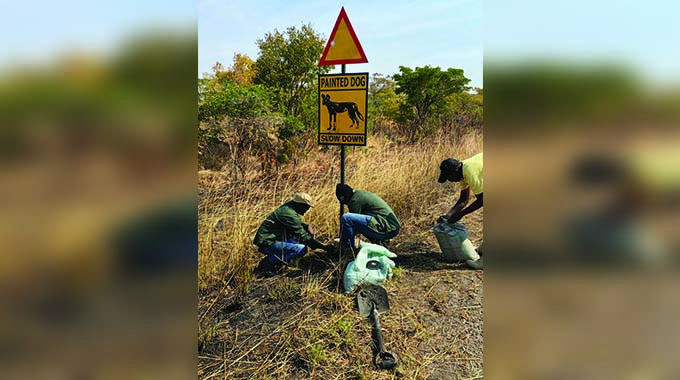
Fairness Moyana, recently in Dete
WILDLIFE conservationists have raised alarm over a surge in road accidents involving endangered species in and around Hwange National Park, blaming reckless driving, poor road design and inadequate law enforcement for undermining years of conservation work.
Painted dogs, bat-eared foxes, elephants, and other wildlife are being struck and killed by speeding motorists, particularly along the Bulawayo–Victoria Falls Highway and the Mpofu–Mabale stretch, both of which cut across critical wildlife corridors.
“These are genuine concerns. The speeding observed on roads in wildlife areas is unacceptable and poses a serious threat to both people and animals.
“There have been a considerable number of species hit by vehicles on the Bulawayo–Victoria Falls Highway, particularly between Fatima and Cross Dete,” said Mr David Kuvawoga, Operations Director at Painted Dog Conservation (PDC).
“Elephants have been struck, and sadly, human lives have also been lost. We’re seeing an increase in roadkill incidents, including endangered species such as painted dogs. If the alpha female of a pack is killed, it can wipe out an entire generation, these animals only breed once a year, so every loss is significant.”
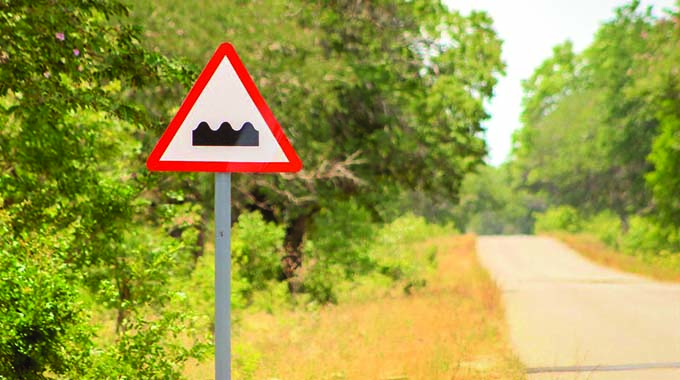
In 2023, the Main Camp–Mabale section was identified as a blackspot for painted dog fatalities. In response, PDC, in collaboration with the Ministry of Roads, recently erected warning signs and speed-reduction rumble strips in an effort to slow traffic.
However, conservationists argue that more needs to be done including implementing similar interventions along the busier Bulawayo–Victoria Falls Highway.
Mr Kuvawoga warned that beyond high-profile species like painted dogs and elephants, smaller mammals, often overlooked, are being killed in large numbers, threatening overall biodiversity in the park.
“Biodiversity depends on the presence of both large and small animals, but we often only take action when elephants or lions are involved,” he said.
“Even a lizard deserves its life,” he added, quoting Chief Nelukoba, a local traditional leader, who has been outspoken on the issue.

The construction of the Lake Gwayi–Tshangani and ongoing road resurfacing projects have raised further concerns. Mr Kuvawoga emphasised that without wildlife-friendly road designs such as underpasses, speed humps and clear signage, vehicle-animal collisions are likely to increase.
“We’ve advocated for these changes. Some progress has been made, including the installation of warning signs, but it’s not enough. People are also dying. Elephants have been struck, and there have been fatal accidents involving humans. This is a threat to both wildlife and human life.”
Community involvement has been critical, with PDC staff and volunteers sometimes manually stopping vehicles to urge drivers to slow down. However, Mr Kuvawoga insisted that the responsibility must be shared by all road users.
“We were all taught the rules of the road. If drivers fail to follow them, then punitive measures must be enforced. Reckless driving in wildlife zones must be treated as a serious offence.”
Awareness campaigns and pressure from stakeholders are beginning to yield results. Association for Tourism Hwange (ATH) Co-ordinator, Miss Shamah Mawoko, confirmed that the issue was raised at a recent stakeholder meeting, where recommendations included erecting speed humps and introducing penalties for speeding.
“ATH is deeply concerned. Motorists must understand that they are entering sensitive wildlife areas and act accordingly,” said Miss Mawoko.
The situation is also a growing concern for tourism operators, with roads around Hwange Main Camp and the Victoria Falls–Kazungula route now marked as emerging hotspots for roadkill.
Conservationists are calling for a comprehensive and sustained response, including stricter traffic enforcement in protected areas, infrastructure upgrades such as speed humps and wildlife crossings and clearer signage.
Community education campaigns on road safety and wildlife protection, along with improved habitat management to minimise wildlife movement across roads and reduce conflict, have been proposed as effective interventions.
Efforts to obtain comment from the Zimbabwe Parks and Wildlife Management Authority (Zimparks) were unsuccessful, as questions sent to spokesperson Mr Tinashe Farawo had not been answered at the time of publication.
For now, conservationists and local communities continue their efforts to prevent roadkill tragedies, one speed sign and awareness poster at a time. But they stress that unless the issue is addressed systemically, the cost to wildlife, human life, and Zimbabwe’s tourism reputation could be irreparable.
Following this year’s rains, which eased the effects of the El Niño-induced drought, a resurgence of life along the Mabale road has brought significant challenges for both wildlife and human safety.
The once-clear roadway has become overgrown with dense vegetation, reducing visibility and making it difficult for drivers to see animals that may suddenly emerge from the bush, resulting in dangerous encounters on the road.
Concerned by the increasing risk of collisions and the endangerment of both wildlife and motorists, Hwange-based conservationist Mrs Linda Bennett mobilised local stakeholders through her initiative to clear the tall grass and encroaching bush along the Mabale–Main Camp road.
Her plan to enhance road safety and protect wildlife quickly gained momentum, with volunteers from all corners of the community eager to contribute. Tractors, mowers, fuel, chainsaws, and pruning tools were gathered, and a spirited team of community members and tourism players transformed the dangerous stretch of road into a clear and safer passage where animals can cross more securely, and motorists can drive with heightened caution.