Gibson Mhaka in MAPHISA
THE air here was thick with more than just the dust of the Kalahari sands. It was heavy with a palpable sense of historic vindication.
As the sun rose over the majestic granite outcrops of Matobo District, the tranquil Growth Point shed its quiet, rural skin to emerge as the temporary political heartbeat of Zimbabwe. The settlement wore a vibrant new face, sporting a “metropolitan” glow that belied its rural setting.
From the fresh coat of paint glistening on local schools to the newly paved surfaces and modern amenities, the infrastructure reflected a town reborn.
Hosting the 46th Independence Day celebrations in Maphisa was not merely a logistical feat; it was a deep-seated political statement by the Second Republic. It was the physical manifestation of President Mnangagwa’s “leaving no one and no place behind” philosophy — a doctrine that is rapidly dismantling the old, Harare-centric political architecture.
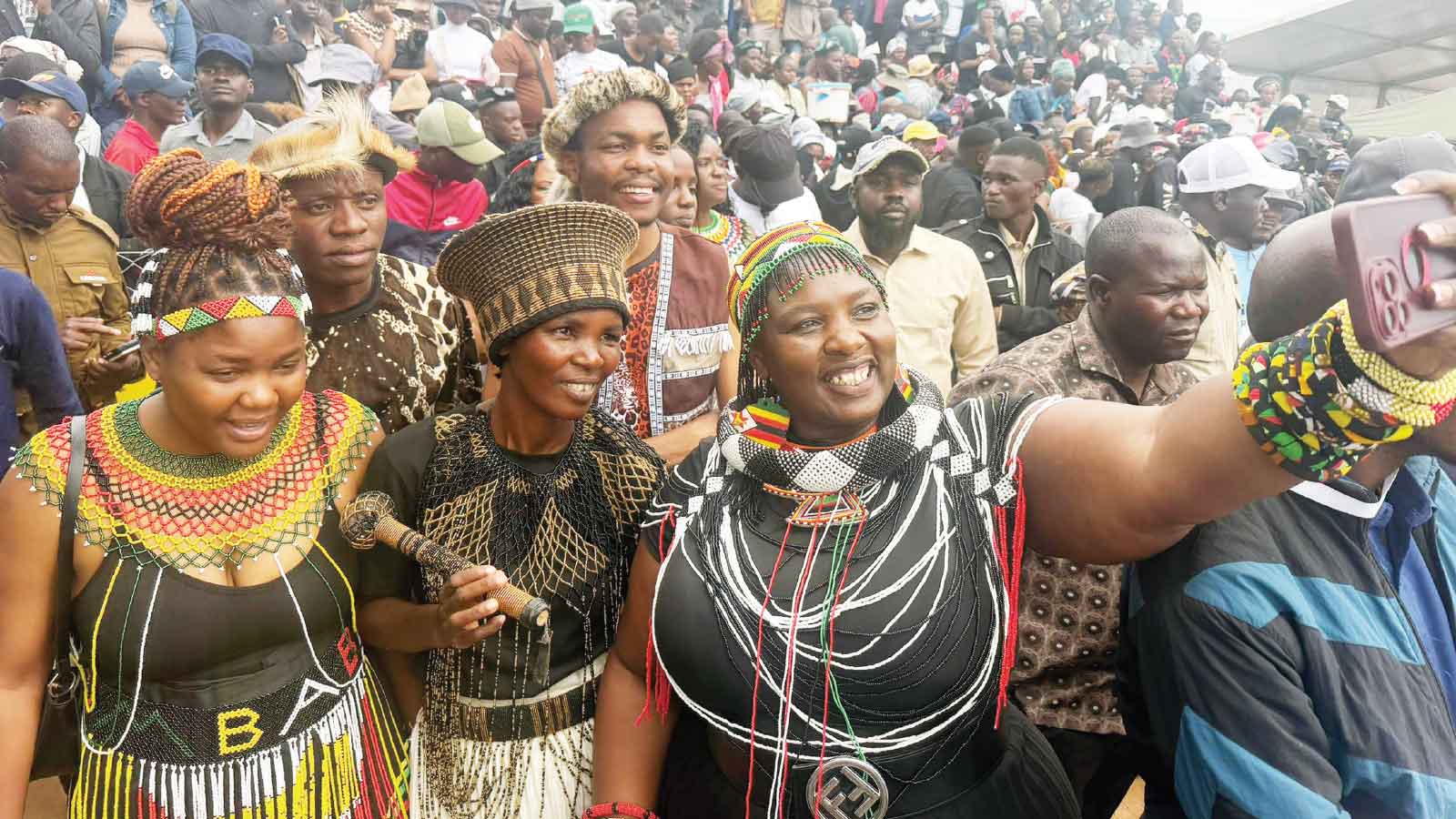
On the ground, the excitement was infectious. From the vendors at the local bus terminus to the traditional leaders draped in their regalia, there was a shared sense of pride.
For decades, the “main” Independence Day celebrations were a distant event viewed on television screens.
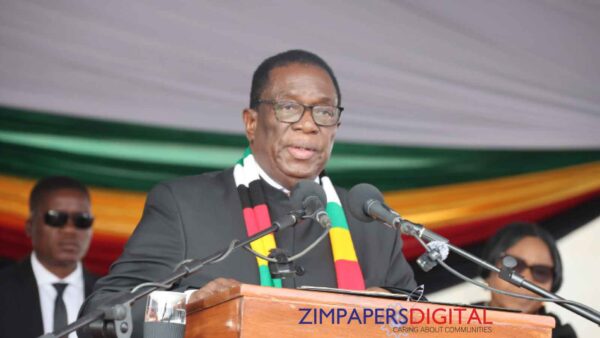
On Saturday, the President, the First Lady, and the entire machinery of the State came to the people’s doorstep.
“We never thought we would see the Independence Flame in person, right here in Matobo,” said Mr Sipho Ndlovu, a Maphisa resident.
“This is the first time the national stage has moved to our backyard. It makes us feel like we are truly part of the Zimbabwean story.”
This sentiment echoed across the district. The transition of Maphisa from a quiet administrative centre into a hive of activity that hosted over 50 000 people was a psychological win for a province that long yearned for such high-level recognition.
“The transformation we have seen in just a few weeks is unbelievable,” said Mrs Nobuhle Moyo, a mother of three from the Mahetshe area.
“Our schools have been painted, new blocks have been built, and the roads are being fixed. For us, these are not just decorations for a party; they are a gift to our children who will use these classrooms and clinics for years to come. We feel seen and respected by the government.”
In politics, visibility is currency. The Second Republic has spent this currency wisely in Matabeleland South. The hosting of these celebrations acted as a catalyst for rapid-fire infrastructure development that would usually take years to bargain for in a national budget.
The evidence was etched into the landscape. The main arena was complete.
The football field terraces, which hosted the high-stakes Uhuru Cup Final between Highlanders and Scotland, stood ready.
At Mahetshe Primary and Secondary Schools, the transformation was staggering. New classroom blocks had been built, while existing buildings had received a fresh coat of paint, giving the learners a world-class environment long after the dignitaries departed.
The desludging of ablution facilities and the erection of perimeter fences at local schools are practical interventions that improve people’s daily lives.
The Independence Flame roadshow, which had been snaking its way through the province, served as a powerful symbol. As it moved from district to district, it carried with it a message of national cohesion.
When the torchbearers brought that flame into the main venue on Saturday, it represented the fusion of the liberation struggle’s heritage with the developmental aspirations of Vision 2030.
The Children’s Party held on Friday at Mahetshe Primary School, hosted by President Mnangagwa and First Lady Amai Auxillia Mnangagwa, set the tone for this inclusivity. By interacting with child delegates in a rural setting, the First Family reinforced the idea that a child in Matobo has the same standing that one in the capital.
Politically, the rotation of Independence celebrations to Maphisa was a masterful application of the devolution policy. In decentralising the National Day, the Government is effectively “de-mystifying” the State.
It brings the presidency closer to the people, allowing for a direct pulse-check on the needs of the Matabeleland region. Maphisa was not chosen by accident.
Matobo District is the cradle of the nation’s history, home to the sacred Matopo Hills and a bedrock of the liberation struggle.
As a result of bringing the 46th anniversary, the Second Republic honoured the shadows of our ancestors while building the foundations for our grandchildren. The theme, “Zim@46 – Unity and Development Towards Vision 2030,” is more than just a slogan in Maphisa; it is a visible reality.
The road rehabilitation projects leading into the growth point and the upgraded digital connectivity are the “bricks and mortar” of an upper-middle-income economy.
As about 50,000 people converged on this “Rainbow Province,” they found a community not just hosting a party but witnessing a rebirth. The political analysis is simple: when the people see development with their own eyes — when they touch the new school walls and walk on the rehabilitated roads —the social contract between the Government and the governed is strengthened.
On Saturday, Maphisa was not just a growth point in Matabeleland South; it was the capital of Zimbabwean unity.