Online Reporter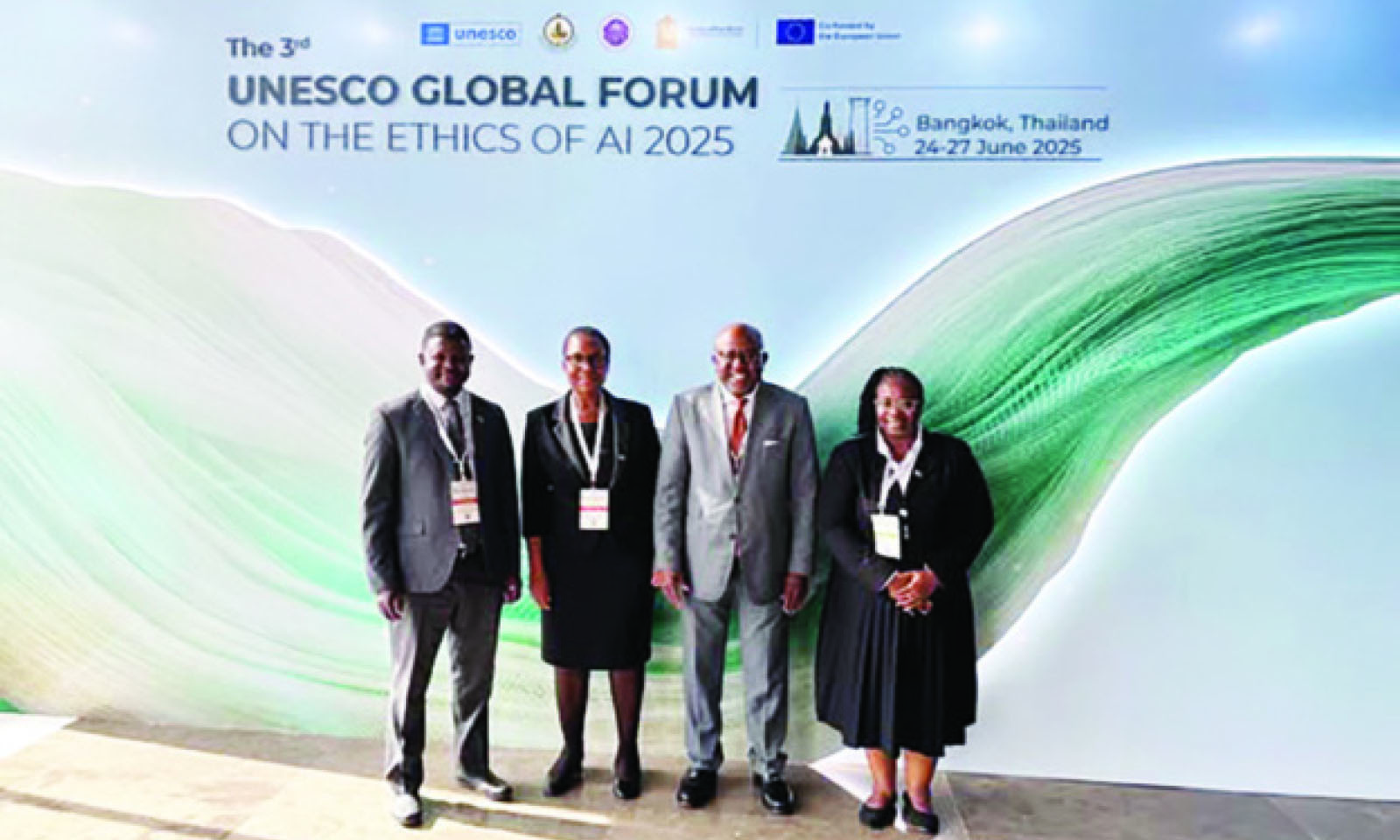
Herald Correspondent
Zimbabwe proudly raised its flag high at the 3rd UNESCO Global Forum on the Ethics of Artificial Intelligence (AI), as Dr Nancy Kwangwa of the Women’s University in Africa took centre stage with her award-winning presentation on upholding academic integrity through AI literacy.
Dr Kwangwa presented a paper titled “Upholding Academic Integrity through AI Literacy in the Era of Generative AI”. Her work tackled the ethical dilemmas posed by generative AI in higher education, including issues of authorship, academic integrity, plagiarism, bias, fairness, privacy and consent.
She also highlighted the importance of AI literacy training as a key strategy to build the capacity of students and researchers to uphold academic integrity in the face of rapidly evolving technologies.
“AI is transforming research, teaching and learning, but it also brings serious concerns around the authenticity of scholarly work. Without AI literacy, students and researchers risk falling into ethical pitfalls that can undermine academic standards,” Dr Kwangwa said.
Her paper explored critical and timely questions, such as whether it is ethical for authors to use AI to write scholarly articles, how AI-generated content affects originality and how educators should respond when students use generative AI tools like ChatGPT for assignments or research projects.
Dr Kwangwa proposed concrete strategies for integrating AI literacy into university curricula, including reflective exercises, practical assessments and policy guidelines that prioritise ethics and critical thinking.
She suggested that AI Literacy be a core graduate competency across all disciplines.
Out of over 600 abstracts submitted for the forum, only 6 percent were accepted, and Dr Kwangwa’s paper was awarded first prize, an achievement that stands as testament to her dedication to academic excellence and innovation.
“This recognition affirms my efforts and inspires me to continue advocating for ethical AI use in education,” she said.
Her presentation also emphasised that AI literacy must be seen as a national priority in Zimbabwe’s digital transformation agenda, aligning with the country’s recent completion of its AI Readiness Assessment Methodology.
During the high-level ministerial sessions at the Forum, Zimbabwe’s Permanent Secretary in the Ministry of ICT, Postal and Courier Services, Dr Beaullah Chirume, shared the nation’s progress in assessing readiness for AI adoption, marking a significant milestone towards integrating AI into national strategies.
Key takeaways from the forum included the urgent need for AI discussions to involve all sectors of society, the importance of balancing AI’s benefits with human oversight, and the necessity of partnerships across sectors and nations to ensure AI technologies contribute positively to sustainable development.
“This forum presented an invaluable opportunity for me to connect with government representatives, international organisations, civil society and think tanks committed to ethical AI use,” Dr Kwangwa said.
Her achievement brings honour to Zimbabwe and emphasises the country’s commitment to ethical digital transformation.