Mukudzei Chingwere in NIZHNY NOVGOROD, Russia
VICE President Dr Constantino Chiwenga is expected here this morning to take part in Russia’s premier industry digitisation conference, as Zimbabwe moves to accelerate its digital economy agenda and drive economic transformation.
The Digital Industry of Industrial Russia (CIPR) is among the country’s largest annual platforms for digital economy development and industrial digitisation.
It brings together industry leaders and technology experts to explore practical approaches to data-driven growth, international tech cooperation and industrial software solutions.
This year’s conference starts today and ends on Friday. Organisers report that last year’s event attracted more than 10 000 participants from Russia and over 40 countries, with about 140 sessions and an exhibition featuring 176 stands.
It also saw more than 300 agreements signed, including IT cooperation with China, Cuba, Serbia, Iran, Myanmar, Kyrgyzstan and Equatorial Guinea.
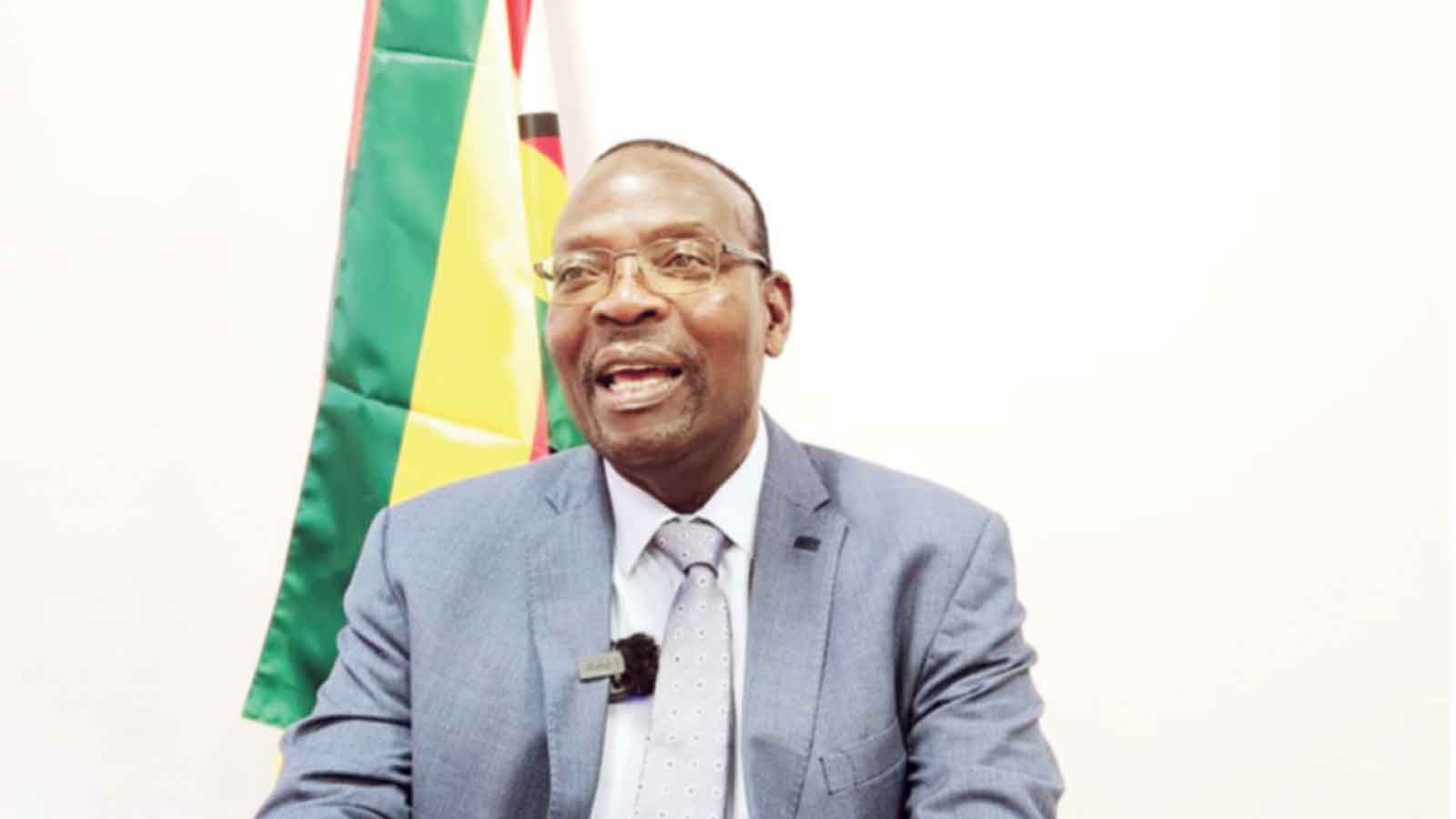
Zimbabwe’s Ambassador to Russia, Ambassador Mark-Grey Marongwe, confirmed VP Chiwenga’s expected arrival.
“The invitation was extended to President Mnangagwa, but because of other competing interests, he was unable to attend and designated his deputy, Vice President Chiwenga,” said Ambassador Marongwe.
“We have taken the opportunity for him to meet some industries. There are several companies willing to do business with Zimbabwe here and we are preparing for some of them to meet him. We are being given an opportunity in terms of technology that is being generated in other parts of the world apart from those we knew traditionally,” he added.
Zimbabwe’s delegation is expected to include Minister of ICT Tatenda Mavetera and Energy Deputy Minister Yeukai Simbanegavi, in line with the Government’s view that digital transformation is a cross-cutting economic enabler — linking broadband and data systems with industrial competitiveness, service efficiency, and job creation.
The mission is also expected to draw lessons from Russia’s digitisation drive. According to Sberbank — the largest financial institution in Russia, Central and Eastern Europe — more than 80 percent of public services are reportedly available online.
The bank reports huge economic dividends accrued by Russia through digitisation. For instance, rolling stock manufacturers report cutting equipment repair expenses by 30 percent and reducing downtime by 12 percent through continuous monitoring systems.
Paper manufacturers using the Internet of Things in Russia have monitored over 20 000 machines, achieving a 40 percent reduction in labour costs, a 50 percent drop in defect rates, and a 10 percent increase in overall equipment service life.
Ambassador Marongwe gave details and examples of how AI is revolutionising businesses, adding that such conferences are an opportunity for Zimbabwe to learn and explore homegrown refinement opportunities.
“The manufacturing processes were used to a situation where the rules were clear; there was a human being who would direct the process. But gradually, humans are being removed from these processes,” said Ambassador Marongwe.
“We are getting a lot of new developments in the communications industry. Digitisation was long looked at as if it were a peripheral subject in our day-to-day lives, but with advances in this technology — artificial intelligence — we are being forced to enter eras far beyond what we anticipated.
“This technology, artificial intelligence, is going to affect the way we live. Many jobs will be affected. In fact, there is a debate whether AI is going to take away jobs or is going to enrich jobs,” he said.