

 Online Reporter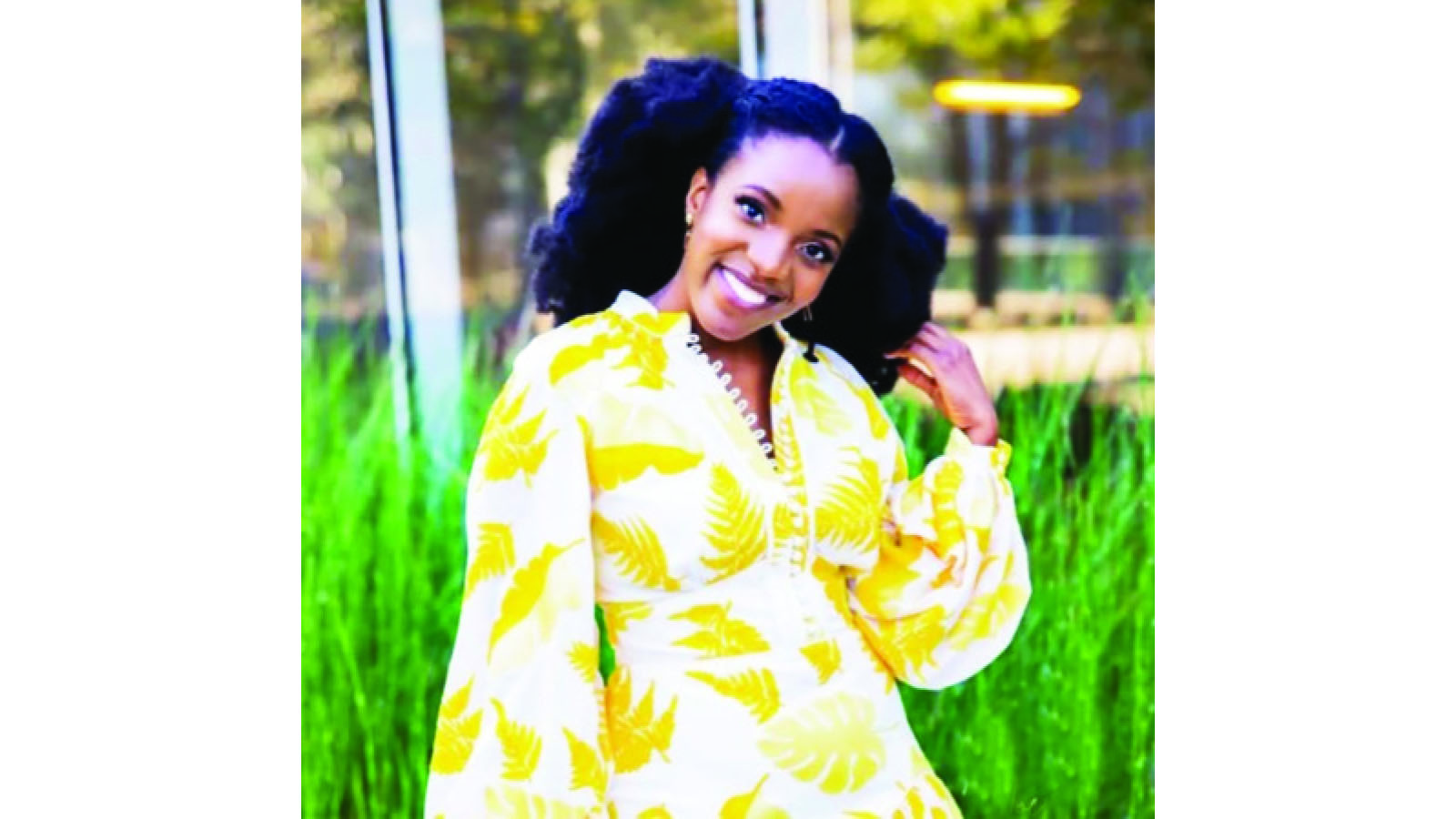
Trust Khosa-Zimpapers Arts and Entertainment Hub
US-BASED African art and culture advocate Bukekile Dube has commended local creatives who continue to excel overseas with their exceptional collections.
Dube, the founding director of Indibano Art Residency in Dallas, Texas, is certain about the safety of the visual arts sector, given its continued production of stars.
She spoke highly of local creatives at a time when they are hosting two visual artists, Pardon Mapondera and Nothando Chiwanga, for the group exhibition titled “Crossing Lines: Contemporary Voices from Zimbabwe & South Africa” in Dallas.
Top South African artist Lloyd Maluleke is part of the exhibition, organised by DHV Artworks and Indibano Art Residence, which aims to bring contemporary African artists to the United States for 12-week cultural exchange residencies.
In an interview with Zimpapers Arts and Entertainment Hub from her base in Dallas, Dube praised local visual artists for their talent.
“The international appreciation for Zimbabwean art exists because the work is exceptional. The challenge is ensuring that this recognition translates into sustainable support systems at home — where artists can thrive, teach the next generation, and contribute to Zimbabwe’s cultural economy.
“When we celebrate artists like Pardon and Nothando, we must also advocate for the structural changes that allow more artists to flourish without needing to leave home to find opportunity,” she stressed.
Dube hailed the Zimbabwean duo for easily meeting their selection criteria and process.
“Our selection process for the Indibano Art Residency focuses on three principal considerations: the artistic merit and innovation demonstrated in the artists’ portfolios, their potential to contribute meaningfully to cross-cultural dialogue, and their readiness to engage with diverse American audiences while expanding their own practices.
“Pardon Mapondera and Nothando Chiwanga distinguished themselves through the exceptional quality of their work, their thoughtful artistic statements, and their demonstrated commitment to exploring themes that resonate both locally in Zimbabwe and globally.
“Pardon’s bold, layered compositions and his exploration of identity, memory, and social commentary showed remarkable depth, while Nothando’s powerful narrative approach and her examination of gender, tradition, and contemporary African life demonstrated both technical mastery and an important cultural perspective,” she explained.
“Their work stood out among a competitive field of artists who were invited to apply to the programme, and the final selection was made by the Indibano Art Residency board of directors.”
Dube was proud of the pair whose collections have propelled Zimbabwean art to acclaim.
“The duo has made quite an extraordinary impression on Dallas’s cultural landscape.
“They’ve engaged with various communities through gallery talks, studio visits, and educational programmes. Their presence has enriched conversations about contemporary African art, challenging preconceptions and introducing fresh perspectives to local audiences who may have had limited exposure to the vibrant art scene developing across Zimbabwe and the broader African continent.”
She added:
“Pardon’s recent selection for the 2026 Venice Biennale — announced during his residency — has generated considerable excitement here and brought significant attention to the caliber of talent emerging from Zimbabwe.
“It’s a testament to the international recognition Zimbabwean artists are rightfully receiving.” She also noted that the trio’s exhibition has been embraced by the community of Dallas and beyond.
“The response to ‘Crossing Lines: Contemporary Voices from Zimbabwe & South Africa’ at DHV Artworks has been genuinely enthusiastic.
“We’ve hosted several private viewings for distinguished Dallas organisations, including museum associates, professional networks, and cultural groups, and the feedback has been overwhelmingly positive. Visitors have praised the emotional resonance of the work, the technical skill on display, and the important narratives being explored.
“Many have remarked on how the exhibition has broadened their understanding of contemporary African artistic expression.”
Like any other exhibition, Dube noted that the Zimbabwean pair will be coming back with valuable lessons.
“Both artists have spoken about the value of engaging with America’s diverse artistic communities and infrastructure. They’ve gained insights into different exhibition practices, arts funding models, and audience engagement strategies. Perhaps more importantly, they’ve experienced the power of their work to build bridges across cultures and to challenge narratives about African creativity and innovation.
“The residency has also reinforced for them the universal themes that connect human experience—love, loss, resilience, identity—while celebrating the specific cultural contexts that inform their unique artistic voices.”
When asked what should be done for visual artists to be appreciated at home, as is the case overseas, she stated:
“This is perhaps the most crucial question. I believe the answer lies in multifaceted advocacy: robust arts journalism like yours that chronicles artists’ achievements and elevates cultural discourse; investment in arts infrastructure within Zimbabwe, including galleries, residencies, and exhibition spaces; arts education that cultivates appreciation from an early age; and policies that support artists through funding, tax incentives, and international exchange opportunities.”
Mapondera is famed for transforming recycled materials, such as plastic bottles, straws, and thread, into intricate textile pieces. His practice, which highlights themes of ecology and renewal, is described as a spiritual virus that prompts reflection.
On the other hand, Chiwanga blends photography, performance arts, and installation to explore the Black female body, travel, and belonging.
Judging by the rave reviews the talented Zimbabwean artists are receiving, Zimbabwe’s dominance in the creative sector is difficult to ignore.


