Online Reporter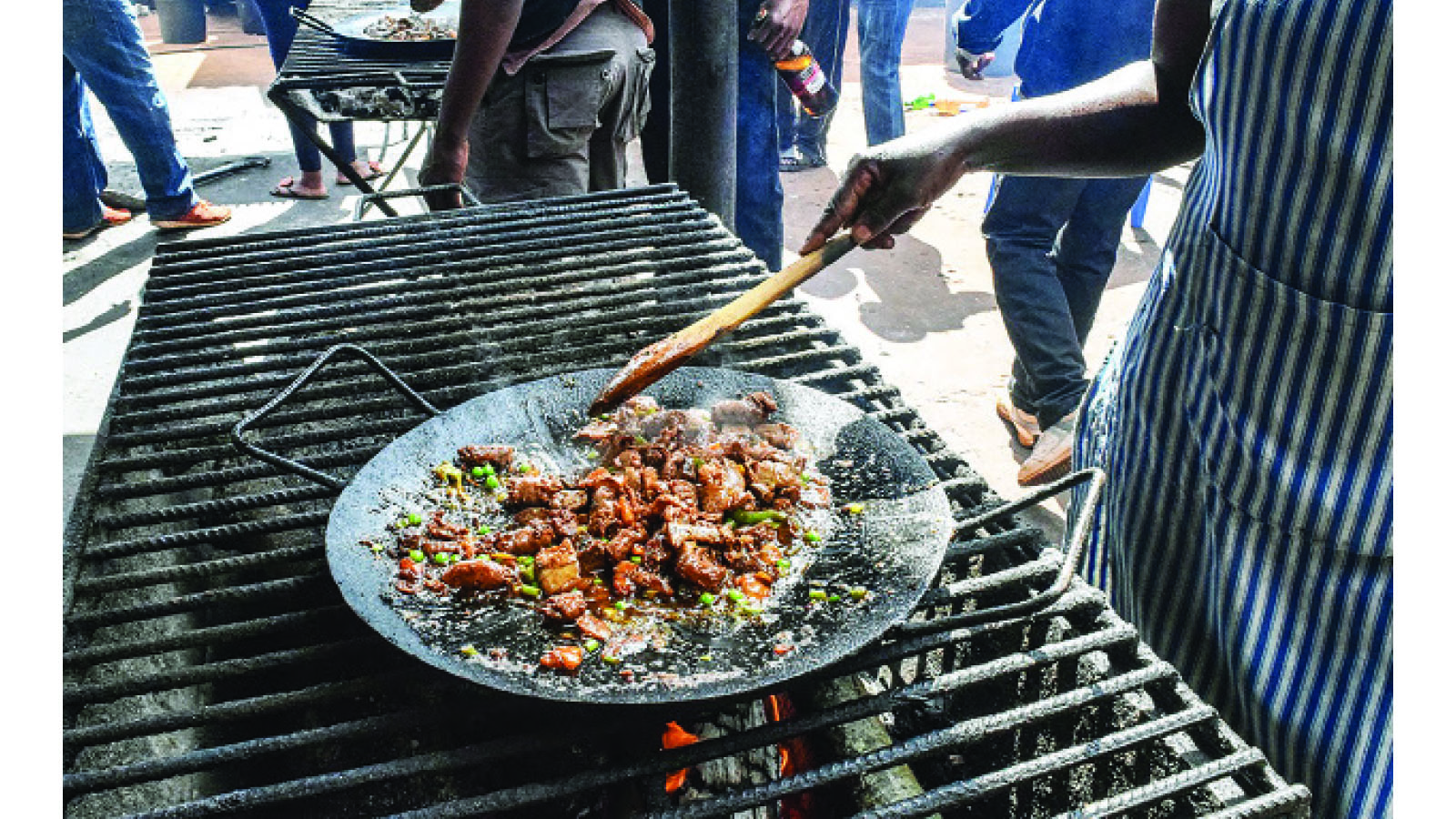
Miriam Tose Majome-Correspondent
Food is life, but it can also kill or seriously harm. Every person should have at least a basic grasp of food laws and basic food safety standards.
Just how safe is the food we buy from supermarkets, restaurants, street vendors or even our favourite home bakery and when things go wrong as they sometimes do, who is accountable?
Globally, food poisoning remains a deadly threat. The World Health Organisation estimates hundreds of thousands of deaths each year from contaminated food. Locally, we continue to battle regular outbreaks of typhoid, cholera and other food and water-borne diseases.
These are not freak accidents, but are symptoms of weak hygiene practices and sanitation systems.
The country experiences diarrhoea outbreaks largely due to poor hygiene and sanitation. These outbreaks stem from inadequate hygiene practices, and lax enforcement of existing laws.
Authorities often ignore unsafe practices, such as the open sale of raw and cooked meat of questionable origin on pavements.
Informal restaurants and alleyway canteens have proliferated, where patrons prioritise low prices over food quality or safety. A full plate of sadza and meat for US$1 may seem attractive, but it should raise suspicion.
Food does not need to be poisonous or stale to be unfit for human consumption. Home bakers produce cakes and confectionery without oversight everywhere and by any means possible. People are simply trying to survive but survival often comes at the cost of food safety and hygiene.
Food inspectors and health authorities, who should be the guardians of public health, have largely abdicated their role. Enforcement is sporadic, inspections are rare, and unsafe practices are overlooked. The result is a free-for-all marketplace, where price trumps quality, and consumers are left vulnerable.
Food is considered contaminated if it contains unauthorised additives or substances. Or if it undergoes processes that negatively affect its quality, fails to meet prescribed standards, exceeds permissible levels of additives or contains prohibited substances. Food is unsafe if it is unsuitable for its intended use, whether through contamination, adulteration, or deterioration.
Even harmless substances like excess water can render food unfit for human consumption.
But food safety laws still apply. General and municipal by laws subsist even if they are not implemented. There is a wide body of legislation governing food production, handling, sale and consumption, all aimed at protecting consumers. Good health is the lifeblood of any nation, so food safety laws must be strictly enforced.
According to the World Health Organisation, about 351 000 people die globally each year from food poisoning-related causes (2015 data).
The Food and Food Standards Act remains the cornerstone of food and standards regulation. It prohibits the sale, importation and manufacture of unsafe food, and sets standards for purity and quality. It regulates the sale, importation, and manufacture of food to ensure it is safe and pure. It prohibits unsafe food and establishes standards for food quality and safety.
Section 5(1) makes it clear: sellers are criminally liable for food unfit for consumption. Illness caused by unsafe food can lead to both civil claims and criminal charges, with penalties including fines and imprisonment of up to two years.
The infamous horse meat scandal in Europe in 2013 showed how easily consumers can be deceived.
Closer to home, informal traders often mix meats or dilute products to stretch profits or prepare it under unsanitary conditions.
Under the law, if one sample of a batch is unsafe, the entire consignment is presumed unsafe and must be destroyed but who is checking backyard food businesses?
Contamination can occur through unauthorised additives, unsafe processes, or exceeding legal limits. Profit-driven shortcuts are common.
False or misleading labelling is another offence. Food packaging must not misrepresent origin, age, or quality. Popular marketing terms like “natural,” “homemade,” or “halaal” are often abused and are usually marketing gimmicks.
Equally serious is the concealment or tampering with of expiry dates, a practice rife among unscrupulous retailers. Selling expired food, even at a discount, is prohibited under the law.
Food safety is not a luxury, but a necessity and consumer right. Authorities must step up, inspectors must enforce, and consumers must demand accountability.
The law is clear and must be applies. Until that changes, our food chain will remain a gamble, and the cost of that gamble is measured in human lives, rise in cancers, obesity, malnutrituion and other food related malignancies.
Miriam Tose Majome is a lawyer and can be contacted on [email protected]