Online Reporter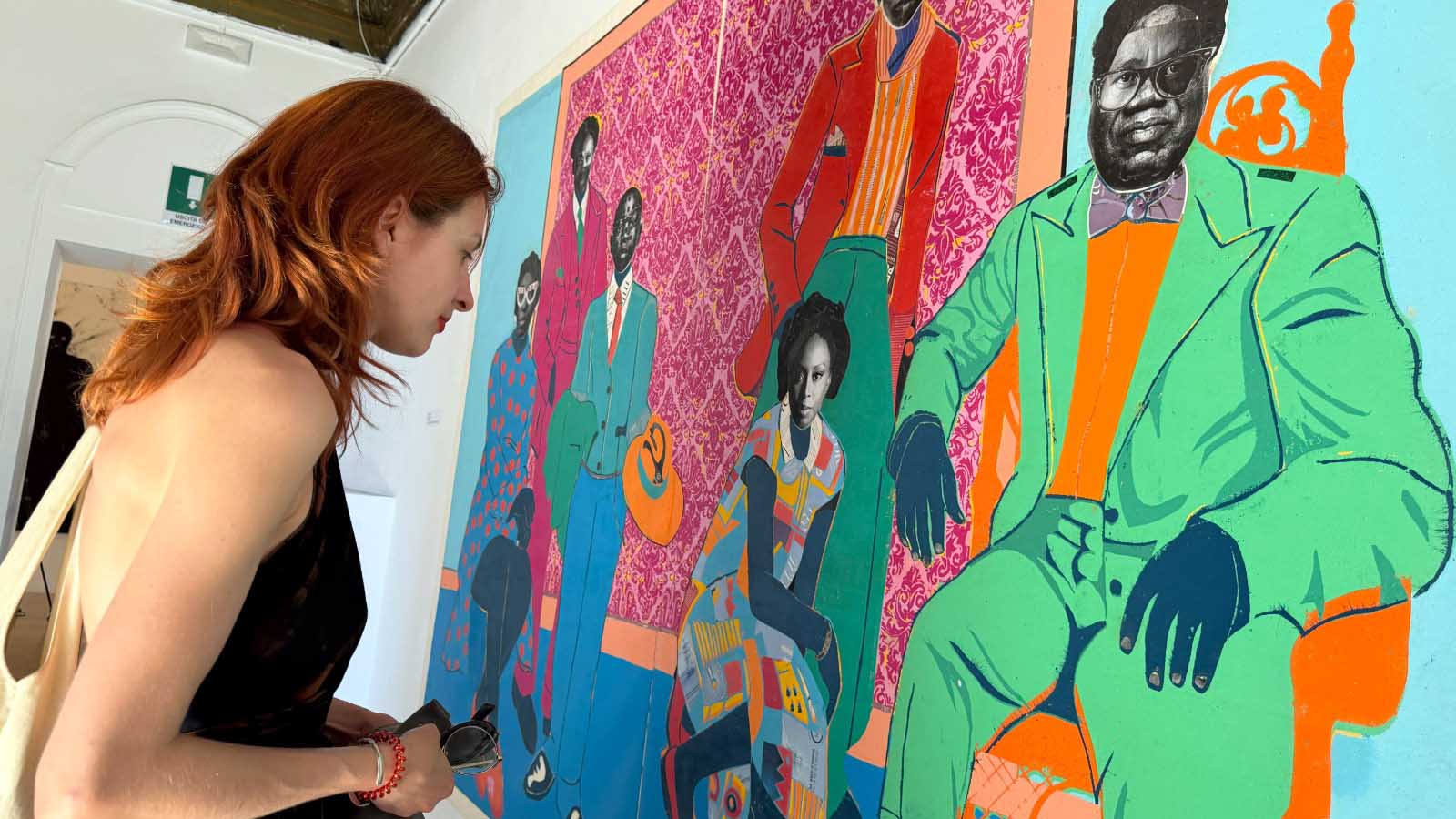
Nyore Madzianike in VENICE, Italy
ZIMBABWEAN artists are earning widespread admiration at the 2026 International Art Exhibition Venice Biennale in Italy, with their diverse contemporary works drawing praise from visitors to the Zimbabwe Pavilion.
Their thought-provoking pieces are giving a lasting impression on audiences, reinforcing Zimbabwe’s growing reputation on one of the world’s premier platforms for contemporary art.
More than 4000 people have visited the Zimbabwe Pavilion every week since the exhibition opened to the public on May 9, with Fadzai Muchemwa curating.
The exhibition is running until November 22 under the theme The Nature/ Manyonga.
Eva Raath, Pardon Mapondera, Franklyn Dzingai, Felix Shumba and Gideon Gomo are showcasing a diverse body of contemporary work alongside exhibitors from other African countries at the prestigious global exhibition.
Eva Raath presents ‘When Your Brain Doesn’t Fit the System’.
Her artwork is a block print on a parasol examining neurodivergence and the challenges of navigating systems that fail to accommodate difference.
She also exhibits ‘Medusa Menopause’, a monumental acrylic work on paper that revisits the figure of Medusa through the experience of menopause, presenting bodily transformation as a source of strength and agency.
Pardon Mapondera is exhibiting ‘Ngwarai Vanangu’, a large sculptural installation created from Perspex, cable ties, plastic jars and wire.
The work explores themes of care, preservation and restriction while reflecting on inherited responsibilities and contemporary material excess.
His second work, ‘The Power of Water’, considers water as both a life-giving force and a political symbol, examining ideas of control, scarcity and memory through layered materials.
Franklyn Dzingai’s works focus on the creative process, with ‘Contemplation in the Studio’, which reflects on stillness and thought within artistic production.
His other exhibition, Call of Creation, examines the balance between inspiration and disciplined practice, while his Vibrant Transmission in Musesengwe Studio portrays the studio as a place where creative, emotional and technological energies converge.
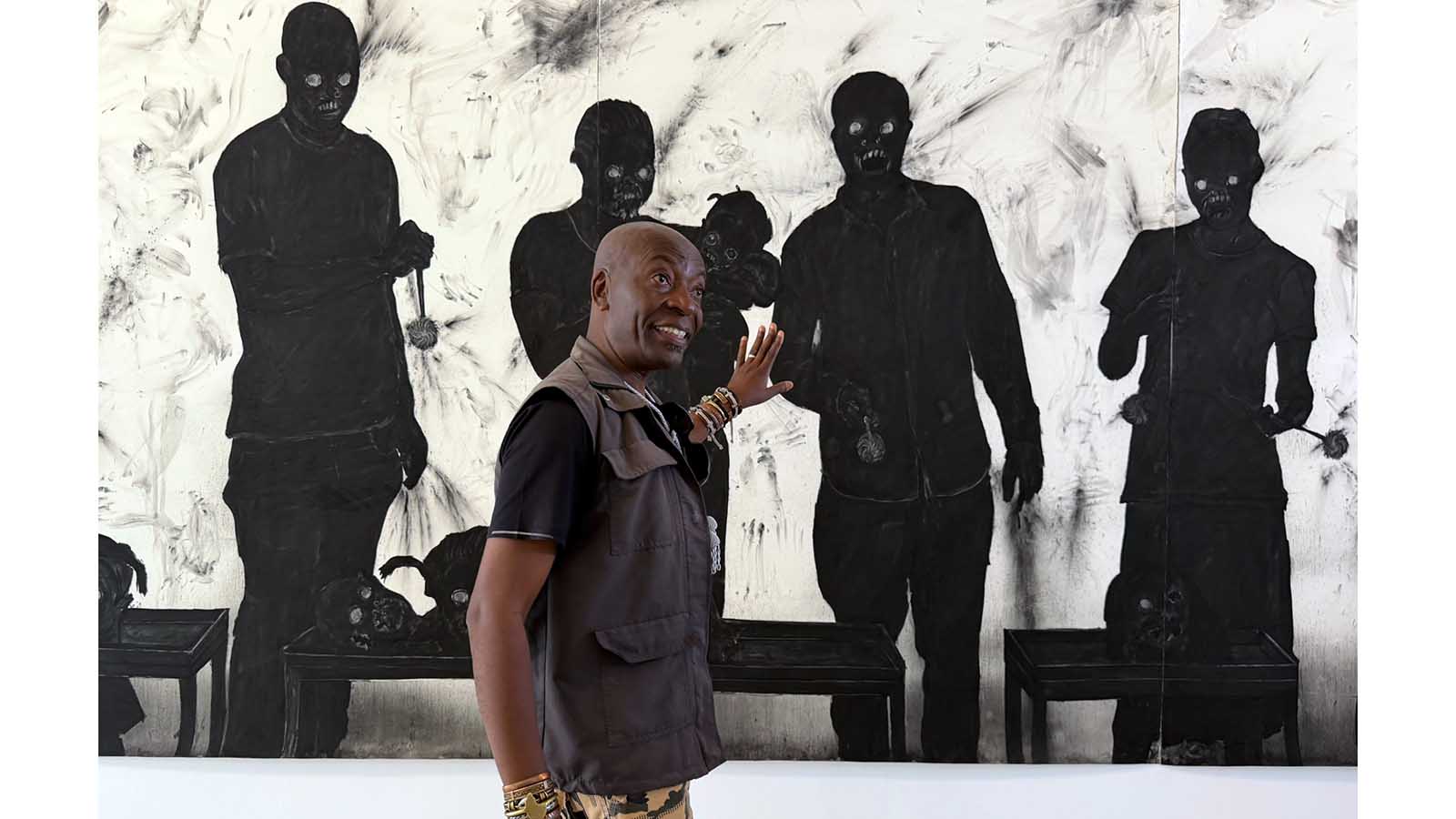
Felix Shumba is presenting the Telephone Reader series, featuring charcoal drawings that explore listening, interpretation and the complexities of communication.
The expanded series incorporates coded references and technical language to blur the boundaries between human and machine understanding.
His large-scale drawing, Wheel-telegram-east-window-line 145XV7-lower, maps imagined and obsolete communication networks, tracing the intersections of language, signal and silence across time and space.
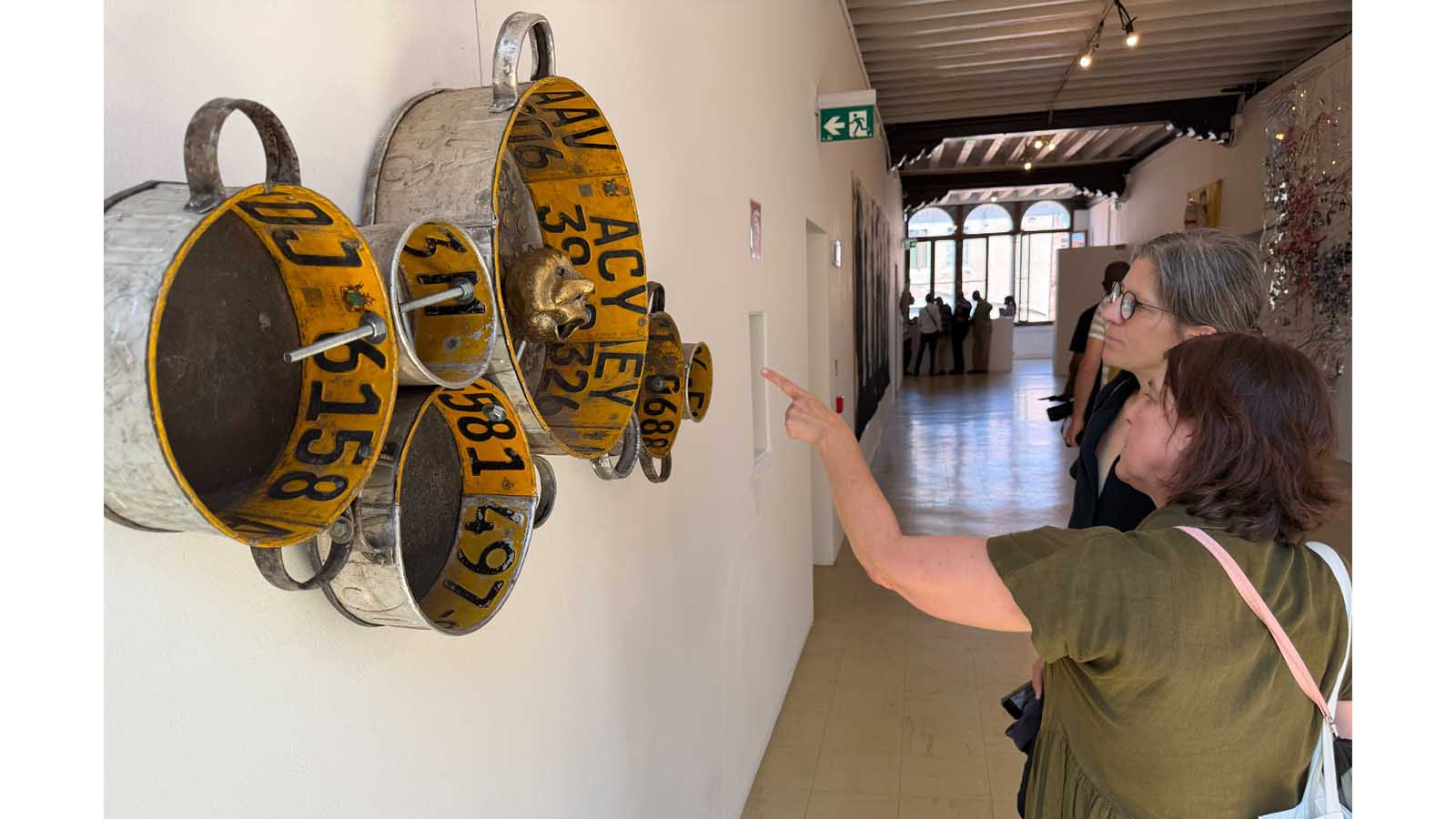
Gideon Gomo presents Grief is Just Love that Has Nowhere Else to Go (2025)- a mixed-media installation using number plates, coins, bronze and springstone.
In the work, Gomo transforms everyday and symbolic materials into a meditation on emotional residue.
Number plates and coins — markers of circulation and identity — become carriers of loss.
The work holds grief not as absence, but as displaced presence, insisting on its material and enduring weight.
He is also exhibiting Harvest of the Vein or Copper Sunset (2025), created from aluminium, springstone, coins and machetes.
The work engages extraction, both geological and bodily.
The “vein” operates as a dual metaphor for mineral wealth and human lifeblood, while machetes introduce a charged history of labour and conflict. Gomo situates the viewer within cycles of consumption and consequence, where beauty and brutality coexist.
The Zimbabwean presentation forms part of a broader African presence at the Venice Biennale, highlighting the continent’s diverse artistic practices alongside national representations from other African countries.
Other countries participating in the exhibition include Malawi, Kenya, Ghana, Senegal and South Africa.
National Gallery of Zimbabwe executive director Mr Raphael Chikukwa said this edition’s theme-Second Nature/Manyonga- resonates well with the resilience of Zimbabwean people and African people at large.
He said the exhibition has attracted thousands of people from across various continents.
“The continuity of Zimbabwe is one of those issues that people are talking about that most African countries come and go, but Zimbabwe has been present at Santa Maria della Pieta since 2011,” he said.
“Most importantly, we are getting at least more than 4 000 people a week who are coming to the Zimbabwe pavilion.”