Online Reporter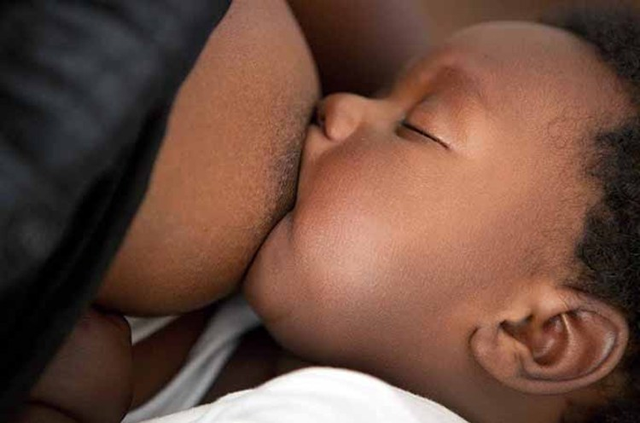
Rumbidzayi Zinyuke
Senior Health Reporter
ZIMBABWE is scaling up initiatives to promote exclusive breastfeeding to improve child health and nutrition outcomes, amid concerns that early introduction of solid food is undermining progress.
According to the latest Zimbabwe Demographic and Health Survey, exclusive breastfeeding stands at 42,4 percent, below the World Health Assembly’s recommended target of at least 50 percent.
Assessments under the Zimbabwe Livelihoods Assessment Committee show exclusive breastfeeding rates ranging between 20 percent and 40 percent, although general breastfeeding rates remain high at around 90 percent.
In Mt Darwin, where child malnutrition rates were once among the highest in the country, initiatives such as peer-led care groups are transforming the way mothers feed their babies.
Through these community-based programmes, women are learning the importance of exclusive breastfeeding and how it can help protect children from illness and undernutrition.
Ms Alice Sekere, a mother of two, said her children were healthy owing to the education being received from village health workers.
“I only feed my child breast milk and he is now six months old. With my first child, I exclusively breastfed until six months and then introduced solids while continuing breast milk until 1 year 7 months,” she said. “We rarely had illnesses because the nurses taught us that breast milk protects babies.”
Another mother, Ms Pedzisayi Kanyuchi from Mbereko Village, said proper guidance from nurses helped her to change her approach to breastfeeding.
“When I started breastfeeding my child, I was taught that we should not wait for the baby to cry but feed them any time. This ensures that the baby stays healthy.”
Some mothers said shifting from traditional practices has improved their children’s health.
Mrs Zivayi Mushoshoma of Mukototsi Village said exclusive breastfeeding helped prevent malnutrition with her youngest child.
“My older children suffered because I would give them whatever was available, including cold leftover food. With my youngest, I followed the instructions, and I never experienced challenges, she is growing well and is an active child even in school,” she said.
Village health workers said care groups were driving this change.
“We train mothers about breastfeeding and teach them that breast milk alone has enough nutrients for a child under six months.
“We have seen a significant improvement in breastfeeding practices and child growth,” said Mrs Wadzanai Matangira.
Zimbabwe joined the global community in commemorating International Breastfeeding Week, which runs from August 1 to 7, with calls for increased support for breastfeeding mothers to improve child health and nutrition outcomes.
This year’s commemorations are running under the theme, “Prioritise breastfeeding: create sustainable support systems”, highlighting the need for stronger systems to ensure mothers receive adequate care and information to successfully breastfeed.
Health experts note that breastfeeding remains one of the most effective interventions to prevent child malnutrition, illness and death.
It supplies all the nutrients a child needs for the first six months of life, protects against common childhood illnesses such as diarrhoea and pneumonia, and lowers the risk of chronic conditions later in life.
For mothers, breastfeeding reduces the risk of postpartum haemorrhage, certain cancers and supports faster recovery after childbirth.
Food and Nutrition Council deputy director for nutrition, Ms Siboniso Chigova said while Zimbabwe has made progress, more support systems were needed.
“Exclusive breastfeeding means giving a child only breast milk — no water, no cooking oil, no thin porridge, no other foods — for the first six months.
“To scale up, we need stronger multi-sectoral support, intensified community engagement and systems that enable women to breastfeed effectively at home, in the community and even in the workplace,” she said.
“Breastfeeding saves lives, and it is one of the most effective investments we can make for our children’s future,” she said.
Nutrition is one of the key pillars in the early childhood development framework being implemented by the Government through the Food and Nutrition Council.