Online Reporter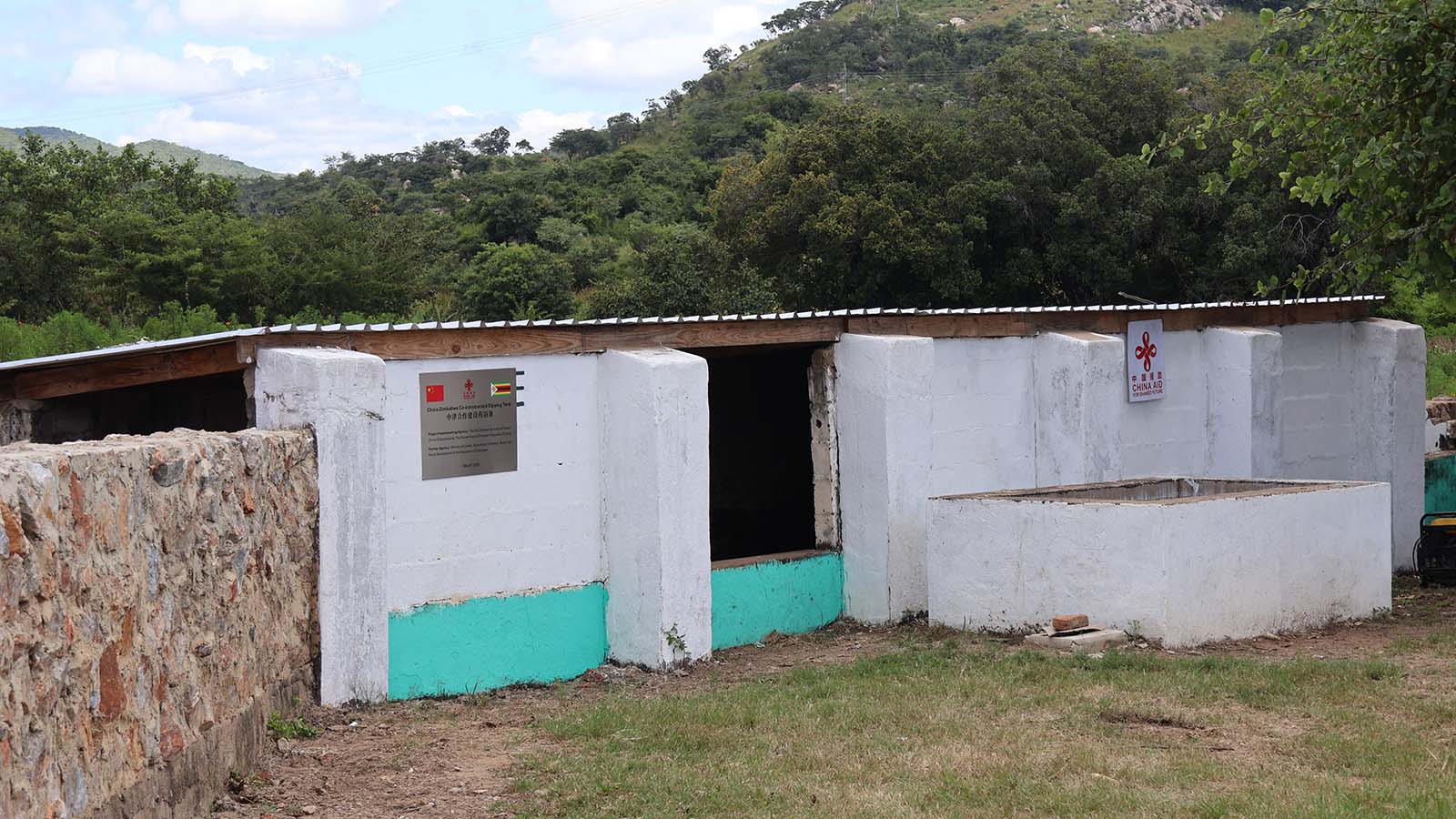
Theseus Shambare
Herald Correspondent
ZIMBABWE and Botswana will next month launch a coordinated bilateral vaccination campaign along their shared border to curb the spread of Foot and Mouth Disease (FMD), authorities have confirmed.
The disease has been reported in Bulilima, Tsholotsho, Matobo, Gwanda and Mangwe districts, prompting urgent interventions by the Directorate of Veterinary Services (DVS).
Foot and Mouth Disease is caused by a highly contagious virus that primarily affects cloven-hoofed animals such as cattle, sheep, goats and pigs.
The virus can spread through direct contact with infected animals, exposure to their saliva, milk, urine, faeces, or vesicle fluid, and even via contaminated equipment, vehicles, or clothing.
Wildlife, particularly buffalo, can also carry the virus and transmit it to livestock.
In certain conditions, the virus can survive for weeks in cool, moist environments, making containment challenging and requiring stringent biosecurity measures.
Speaking on the sidelines of the Bushu Dip Tank celebrations in Shamva on Thursday, chief director of the DVS, Dr Pious Makaya, said the initiative will help Zimbabwe achieve its livestock sector growth targets.
“Indeed, we have an outbreak; however, with Botswana, we will be rolling out a bilateral rollout with each country vaccinating its borderlying areas to ensure we completely manage the spread once and for all. More chemicals are on the way,” said Dr Makaya.
The Bushu Dip Tank in Shamva has recently undergone significant rehabilitation as part of the Government’s broader strategy to strengthen livestock dipping infrastructure nationwide.
Upgrades included the drilling and solarisation of a borehole to ensure a consistent water supply for livestock and the surrounding community, as well as the refurbishment of the dipping facility itself to improve access and efficiency.
The project, supported by the Chinese Agricultural Expert Group, forms part of a wider effort to enhance disease control, particularly against tick-borne diseases, by modernising over 4 200 dip tanks across the country and improving the availability of acaricides for farmers.
He stressed the importance of diversifying vaccine procurement to ensure quality, safety and competitive pricing.
“We are engaging multiple suppliers to ensure our livestock receive effective protection. The Botswana Vaccine Institute remains our main FMD vaccine producer and the recent launch of a new vaccine in South Africa will strengthen disease control across the region,” he said.
Dr Makaya also highlighted intensified patrols and community-based surveillance to intercept illegal night movements that bypass veterinary checkpoints and roadblocks.
“We are leaving no stone unturned. Controlling FMD requires both scientific intervention and vigilant monitoring of cattle movements,” he said.
Zimbabwe has secured 1.2 million FMD vaccine doses, with movement restrictions and quarantine measures already in place in hotspot areas.
“Livestock sustains more than 67 percent of our population and serves as both a primary income source and a vital safety net against climate-related shocks. Partnerships like the one with China are critical in building resilience, improving productivity and safeguarding rural livelihoods,” Dr Makaya said.
The Government aims to grow the national herd from 5,7 million recorded in late 2025 to 12 million by 2034, in line with Vision 2030 targets.
Officials say this growth depends on robust disease control systems and improved feed formulations, particularly in drought-prone areas.
On the wildlife-livestock interface, Dr Makaya said buffalo-to-cattle contact remains the primary driver of FMD outbreaks.
“Completion of the Gonarezhou National Park FMD game fence is underway, and we are planning similar interventions in Hwange. Cattle-buffalo separation, relocation of wildlife and awareness campaigns on biosecurity are critical to stopping disease transmission,” he said.
Chinese Agricultural Expert Group representative, Zhao Ke, said agriculture remains a key anchor of the economy that requires continued investment.
“Agriculture is the backbone of Zimbabwe, and China remains committed to supporting Zimbabwe’s livestock sector through technology and skills transfer. Whenever the country needs assistance, we are there to ensure that the set targets are achieved on the ground,” he said.