

 Online Reporter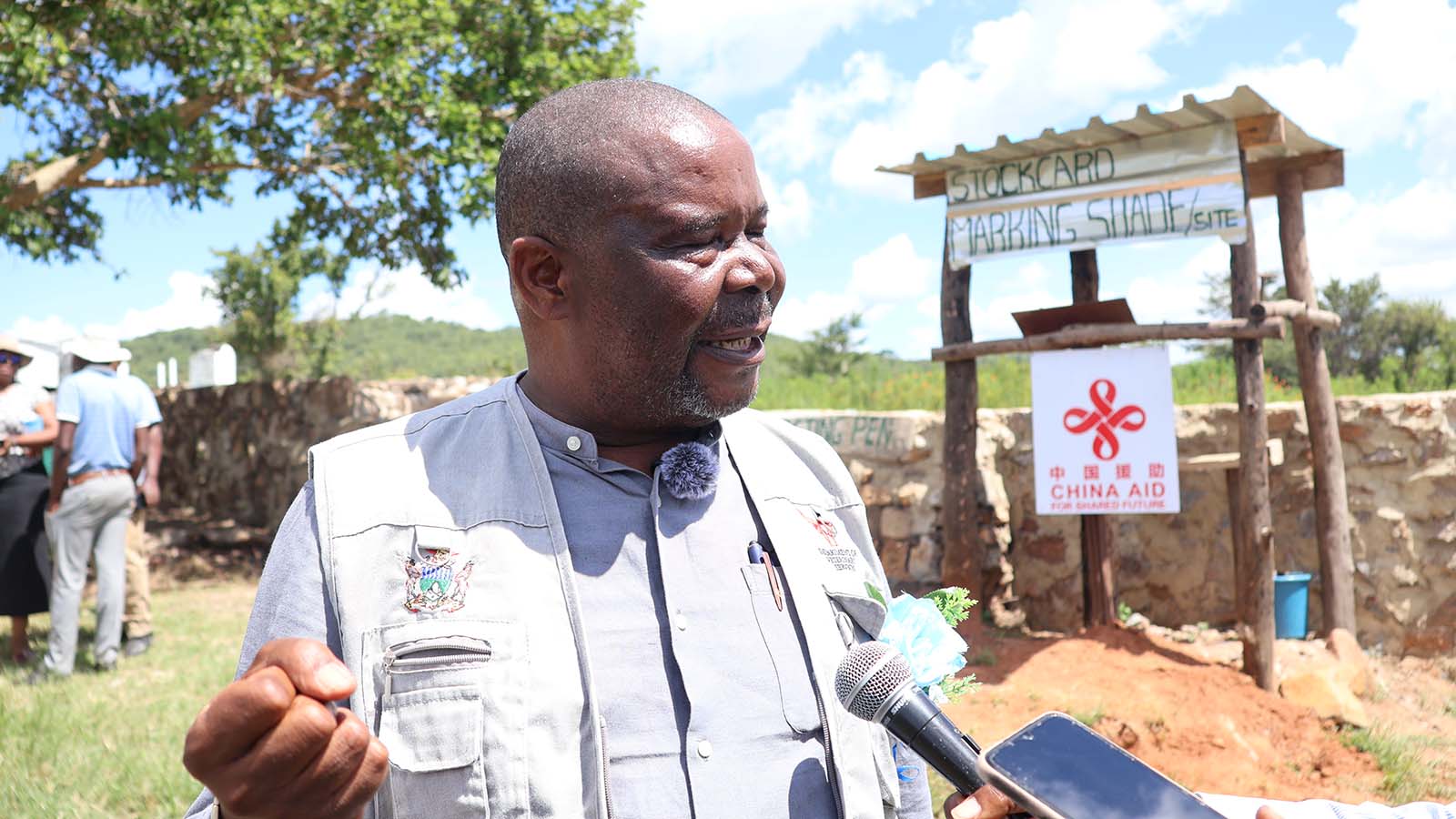
Theseus Shambare in SHAMVA
ZIMBABWE and China have deepened their agricultural cooperation, with a renewed focus on livestock development through the rehabilitation of dip tanks, Juncao technology and farmer training programmes aimed at strengthening drought resilience and boosting productivity.
The Government aims to grow the national herd from an estimated 5,7 million to over 6 million by 2030, a goal officials say can only be achieved through robust disease control systems and improved feed formulations to sustain livestock, particularly in drought-prone areas.
In Zimbabwe, four major tick-borne diseases — theileriosis (January disease), gall sickness, redwater and heartwater — remain a significant challenge, accounting for nearly 70 percent of livestock deaths.
However, with China now on board through targeted technical support and knowledge transfer, authorities say the tide is beginning to turn in favour of farmers.
Speaking during celebrations at Bushu Dip Tank in Shamva on Thursday, Chief Director in the Directorate of Veterinary Services (DVS), Dr Pious Makaya, said the Government was intensifying efforts to control livestock diseases while strengthening partnerships to enhance productivity.
He said the livestock sector, valued at over US$2 billion and contributing about 20 percent to agricultural Gross Domestic Product, remains central to rural livelihoods and national economic growth.
“Livestock sustains more than 67 percent of the population and serves as both a primary income source and a vital safety net against climate-related shocks,” said Dr Makaya.
“We would like to thank and look forward for the continued collaborations like one we have with China.”
He said the Agriculture and Food Systems Transformation Strategy (2026–2030) positions livestock as a key driver in achieving national development goals.
Dr Makaya said the country has over 4 200 dip tanks, which continue to serve as the frontline defence against tick-borne diseases, with the Government ensuring improved access to acaricides and strengthening compliance among farmers.
The Bushu Dip Tank itself has become a model of how strategic partnerships can transform rural infrastructure.
Previously constrained by its distance from reliable water sources, the dip tank has been upgraded through the Fourth Chinese Agricultural Expert Group dispatched by the Government of the People’s Republic of China, which drilled and solarised a borehole to ensure a consistent water supply for both livestock dipping and surrounding communities.
Villagers say the intervention has brought relief to both farmers and households.
Ms Nyarai Mashonga of Chidenyika Village expressed gratitude, saying the development has improved access to water and eased livestock management challenges.
“We used to struggle to get enough water for the dip tank, especially during dry periods, but now the situation has improved. This borehole is not only helping our cattle but also assisting us as a community,” she said.
A representative of the China Aid Agricultural Expert Group, Mr Zhao Ke, said China remains committed to supporting Zimbabwe’s livestock sector through technology and skills transfer.
“China will continue working with Zimbabwe to support the growth of a healthy and productive livestock herd, through knowledge transfer, technology such as Juncao and strengthened cooperation that improves farmers’ resilience and livelihoods,” he said.
The Juncao technology initiative, introduced earlier this year, focuses on the production of fast-growing, high-nutrient grass used as livestock feed, providing a sustainable alternative in areas affected by erratic rainfall.
As climate pressures intensify, officials say the strengthening of partnerships between Zimbabwe and China will be critical in building a resilient, productive and globally competitive livestock sector.



