Online Reporter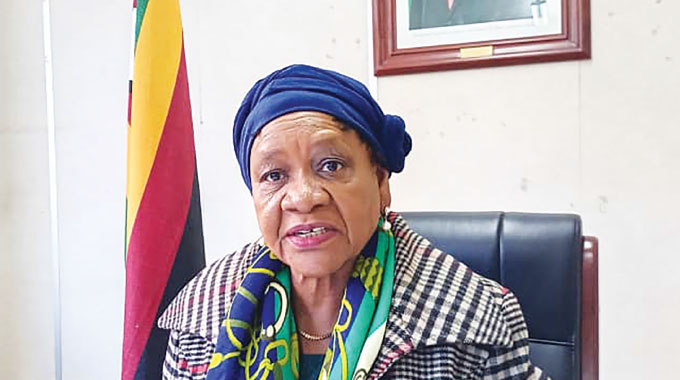
Rutendo Nyeve
Victoria Falls Reporter
WITH the spotlight firmly on Zimbabwe as it hosts the historic 15th Meeting of the Conference of the Contracting Parties to the Ramsar Convention on Wetlands (COP15), the Government has unveiled an ambitious pledge to designate five new sites by 2030 — cementing the country’s leadership in global wetland conservation.
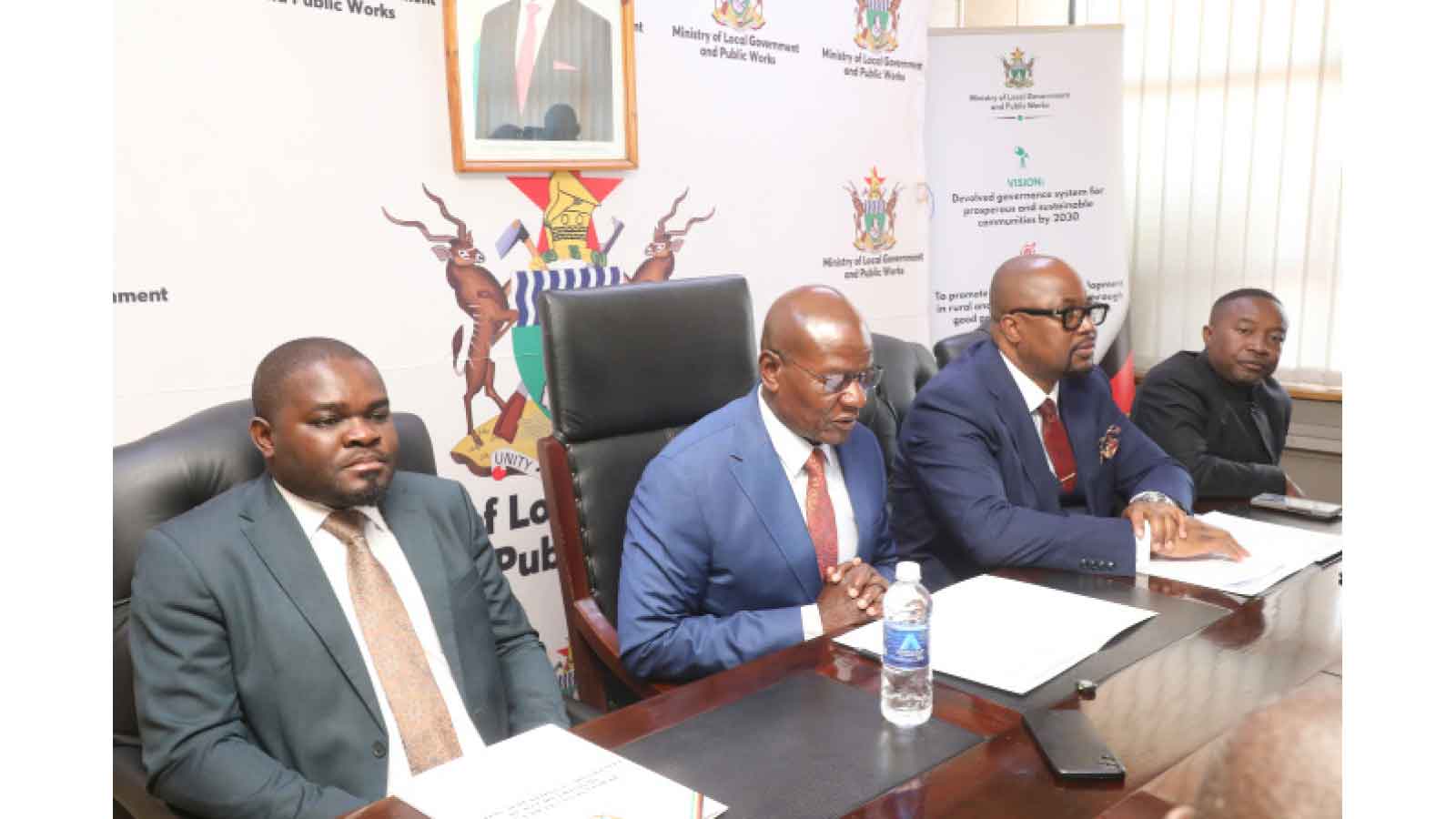
The announcement was made by the Environment, Climate and Wildlife Minister Dr Evelyn Ndlovu at a Press briefing on Tuesday evening, ahead of the official opening of the conference in Victoria Falls, a fitting backdrop given the city’s status as a Ramsar Site and natural world wonder.
Dr Ndlovu emphasised that wetlands were not only biodiversity hotspots, but also vital infrastructure for climate resilience, describing them as the “lungs of the Earth.”
She said the Government’s commitment aligned with the country’s broader environmental policies and the urgent global call to action.
“This COP comes at an opportune time, just a week after the launch of the third Global Wetlands Outlook, which revealed the disproportionate benefits wetlands provide despite covering only 6 percent of the Earth’s terrestrial surface,” said Dr Ndlovu.
The Global Wetlands Outlook report revealed that 37 percent of wetlands have been lost since 1971, and freshwater species populations have declined by 84 percent since 1970. In Zimbabwe, while wetlands make up nearly 35 percent of the land area, 21 percent are considered severely degraded.
Against this backdrop, COP15—being held under the theme “Protecting Wetlands for Our Common Future”—brings together 172 contracting parties, scientists, policymakers, indigenous communities and youth to forge solutions for the world’s threatened wetland ecosystems.
Zimbabwe, already home to seven Ramsar Sites including Victoria Falls, Monavale Vlei, and Mana Pools, aims to increase this number to 12 by 2030. Additionally, the country plans to restore 250 000 hectares of degraded wetlands as part of its National Wetlands Policy and its Nationally Determined Contributions (NDCs) under the Paris Agreement.
“Let this COP15 be remembered as the moment when the world transitioned from recognising the value of wetlands to actively investing in their future,” said Dr Ndlovu.
The minister outlined several paradigm shifts expected from the conference, including the launch of a Global Wetland Restoration Fund, prioritising wetland restoration in national climate strategies, and enhancing real-time monitoring through initiatives like the Global Wetland Watch platform and the African Wetlands Observatorium.
“We need to prioritise wetland restoration as a climate change mitigation measure, supported by a proposed Global Wetland Restoration Fund, ensuring wetlands are central to national environmental planning,” she said.
“We will also need to look at technological solutions through launching the Global Wetland Watch platform and operationalising the African Wetland Observatorium for real-time monitoring and collaboration.”
Dr Musonda Mumba, Secretary General of the Ramsar Convention, commended Zimbabwe’s efforts and vision.
“Congratulations to the Government of Zimbabwe for hosting COP15 on the edge of one of the world’s wonders, Victoria Falls. There is no better occasion than this conference to discuss wetlands, which intersect not just environmental but developmental agendas globally,” she said.
Dr Mumba also stressed the need for collective global action.
“The science is clear, the policy frameworks exist, and the financial mechanisms are within reach. What remains is the will to act. Wetland conservation is not an environmental luxury; it is a hydrological necessity, a climate imperative, and a development obligation,” she said.
Dr Mumba highlighted the unprecedented nature of COP15, noting it will feature the first-ever Presidential summit in the convention’s 55-year history, which will be officially opened by President Mnangagwa.
She also lauded Zimbabwe for its leadership at the Africa Ministerial Conference on Environment (AMCEN) in Nairobi, where the country helped establish an African group of negotiators on wetlands, a key step in unifying the continent’s approach to wetland policy.
Over the next 10 days, the conference will feature high-level discussions on wetlands and their intersection with climate change, agriculture, biodiversity, and gender inclusion. Delegates will also visit the Kasibo Wetland in Hwange to witness Zimbabwe’s nature-based restoration efforts in action.