daniel chigunwe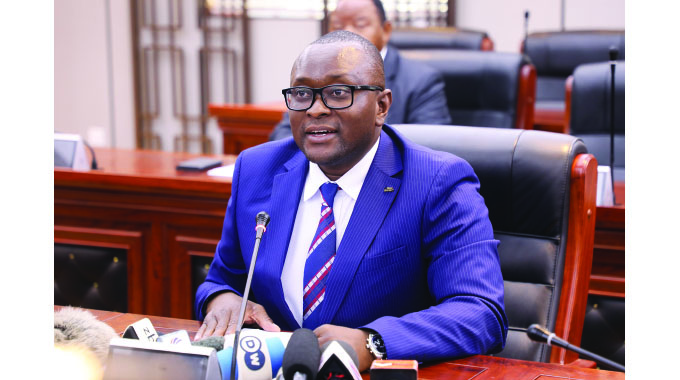
Zvamaida Murwira
Senior Reporter
Zimbabwe is committed to upholding human rights and freedoms and has taken several legislative and administrative measures aimed at entrenching the rights of every person in the country, the Cabinet has made clear.
Speaking on Tuesday after the Cabinet meeting, Information, Publicity and Broadcasting Services Minister Dr Jenfan Muswere said the country has adopted several measures to protect and promote people’s rights and freedoms in line with international instruments it signed.
Cabinet approved the Combined 16th Periodic Report under People’s Rights and the Second Periodic Report under the Protocol to the African Charter on the Rights of Women in Africa as presented by Justice, Legal and Parliamentary Affairs Minister Ziyambi Ziyambi.
Zimbabwe ratified the African Charter on Human and People’s Rights (ACHPR) in 1986 and the Protocol to the African Charter on Human and People’s Rights on the Rights of Women in Africa (The Maputo Protocol) in 2008.
“The Maputo Protocol was developed to promote and protect human rights in particular to protect the rights of women and girls on the African continent. Upon ratification Zimbabwe assumed the obligation under Article 62 of the ACHPR and Article 26 (1) of the Maputo Protocol to submit every two years, from the date instruments come into force, periodic reports on legislative, administrative and other measures taken with a view of giving effect to the rights and freedoms recognised and guaranteed by these instruments,” said Minister Muswere.
“Cabinet reports that the report provides details of the progress made and measures taken during the period under review from 2019 to date in the promotion and protection of human and people’s rights in Zimbabwe, showing the State party’s commitment in improving and upholding human rights of its citizenry. Information is provided with regards to the Constitutional, legislative and administrative measures undertaken by the Government of Zimbabwe to implement obligations arising from the ACHPR and the Maputo Protocol.”
There were 15 instruments that would soon be ratified.
“Pertaining the African Charter on Human People’s Rights Sixteenth Periodic Report, about 15 regional and international instruments are set to be ratified. Cabinet advises that during the period under review, the country had promulgated the Freedom of Information Act which repealed the Access of Information and Protection of Privacy Act [AIPPA].
“On the right to Freedom of Assembly and Association, it is reported that in a bid to entrench democratic values and align legislation with the Constitution, the country has enacted the Maintenance of Peace and Order Act [MOPA] which repealed the Public Order and Security Act [POSA]. The nation is informed that climate change had impacted on human rights of the citizens,” he said.
The report, said Minister Muswere provides both legislative and administrative measures taken to protect the rights of refugees and migrants in line with international law.
“Pertaining to persons with disabilities, Government is in the process of amending the current Disabled Persons Act through the Persons with Disabilities Bill so as to domesticate some of the provisions. Regarding older persons, measures have been put in place to protect rights of older persons, especially in the rural areas bearing in mind their own realities as compared to their counterparts in the urban areas,” he said.
Minister Muswere said the Protocol to the African Charter on the Rights of Women in Africa provides progress that had taken place on the promotion and protection of women rights in Zimbabwe.
“These measures included the following: elimination of discrimination against women in all spheres of life and the upholding of women’s rights to be treated with dignity; the right to life, integrity and security of persons; elimination of harmful cultural practices; the right for women to access justice and equal protection before the law; and participation of women in political life.
“The report focuses on: the right to education and training for women; economic and social welfare for women, health and reproductive rights interventions; right to food; the establishment of human settlement initiatives to ensure the promotion and preservation of Zimbabwean culture values and practices; and the right to sustainable development,” he said.



 Online Reporter