

 Online Reporter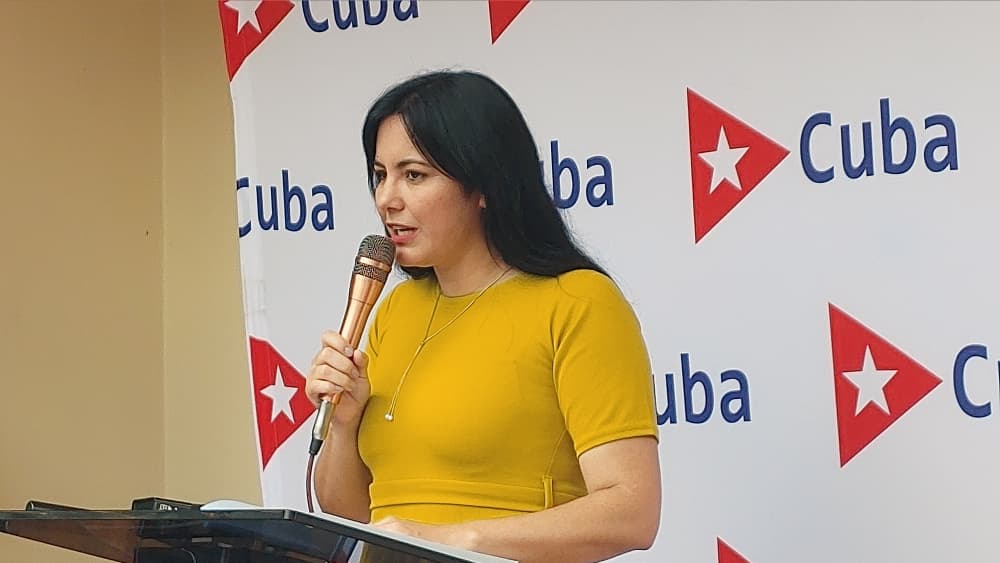
Ivan Zhakata
Herald Correspondent
Zimbabwe and Cuba have reaffirmed their long-standing political and historical ties during the 173rd anniversary of the birth of Cuban national hero José Martí held in Harare today.
Speaking at the ceremony, Cuban Ambassador to Zimbabwe Susellys Perez Mesa, said the commemorations were not only meant to honour Martí as a founding figure of Cuban independence, but to draw inspiration from his ideals in confronting contemporary international challenges.
“José Martí was a poet, writer and diplomat, but above all a great man who fought for the independence of Cuba,” she said.
“Today, we remember his legacy and build from it as the international community faces many challenges. We have a responsibility to future generations to respect international law and remain coherent with our principles.”
Ambassador Perez Mesa said the late Mr Martí was a firm opponent of slavery and racism and his writings on Africa and its contribution to global civilisation continued to shape Cuba’s solidarity with the continent.
“He wrote extensively about Africa and the greatness of this region. We are like a family, and his legacy brings us together,” she said.
On bilateral relations, Ambassador Perez Mesa said Zimbabwe and Cuba recorded increased diplomatic engagement over the past year, including visits by two ministers and three deputy ministers, with several memoranda of understanding currently under negotiation.
“Our relations are excellent and we are now working to move forward and achieve concrete results,” she said.
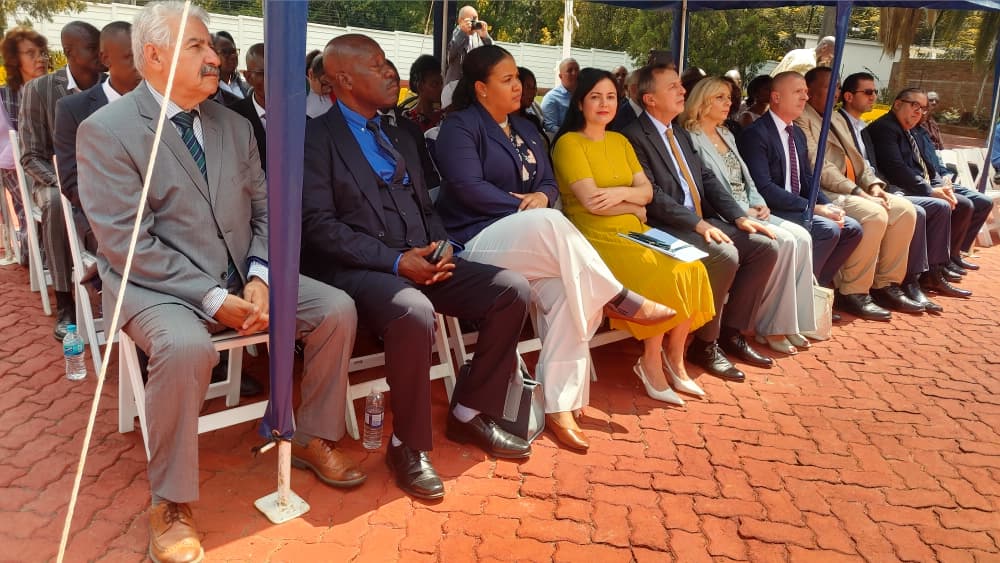
ZANU-PF Youth League Political Commissar, Cde Taurai Kandishaya, said Zimbabwe’s participation in the commemorations reflected historic solidarity forged during the liberation struggle.
“Cuba supported Zimbabwe at the height of the liberation struggle and continued to assist after independence, particularly through the deployment of medical professionals,” he said.
“We are here to reciprocate that solidarity as they celebrate their national hero.”
Cde Kandishaya called for strengthened multilateralism and criticised unilateral actions by Western countries.
“We say long live the solidarity between Zimbabwe and Cuba. We call for the end of unilateralism and the bullying of other nations by Western countries,” he said.
Citizens Against Economic Sanctions executive director, Cde Martin Zharare, said the event also symbolised shared resistance against sanctions imposed on both countries.
“Cuba has been under sanctions since 1960 and Zimbabwe is facing similar pressures today,” he said.
“The people of Zimbabwe and Cuba are united in defending their sovereignty against illegal sanctions imposed by the United States and its allies.”
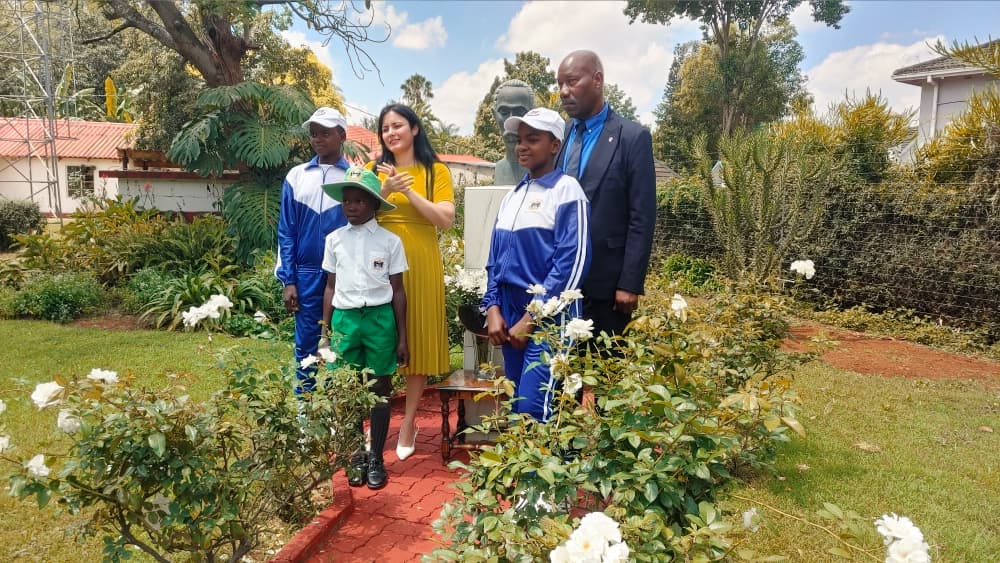
Zimbabwe Anti-Sanctions Trust president, Dr Nobert Hosho, described the late Martí as a global liberation icon whose warnings against imperial domination remain relevant for nations of the Global South.
“Martí defended the dignity, sovereignty and unity of oppressed peoples,” he said.
“His ideals resonate with Africa’s liberation struggles and Zimbabwe’s continued resistance to external interference.”
Dr Hosho unity remained central to safeguarding national sovereignty.
“No sanction, no blockade and no external pressure will break the will of a united people,” he said.
Meanwhile, Zimbabwe-Cuba Friendship Association (ZiCuFA) secretary-general, Mr Ernest Ngoma, highlighted the late Martí’s cultural and intellectual contributions and said his poetry and journalism played a central role in mobilising support for Cuba’s independence.
“José Martí founded the Cuban Revolutionary Party and used literature to articulate the vision of independence,” he said.
“His Versos Sencillos later inspired the world-famous song Guantanamera.”
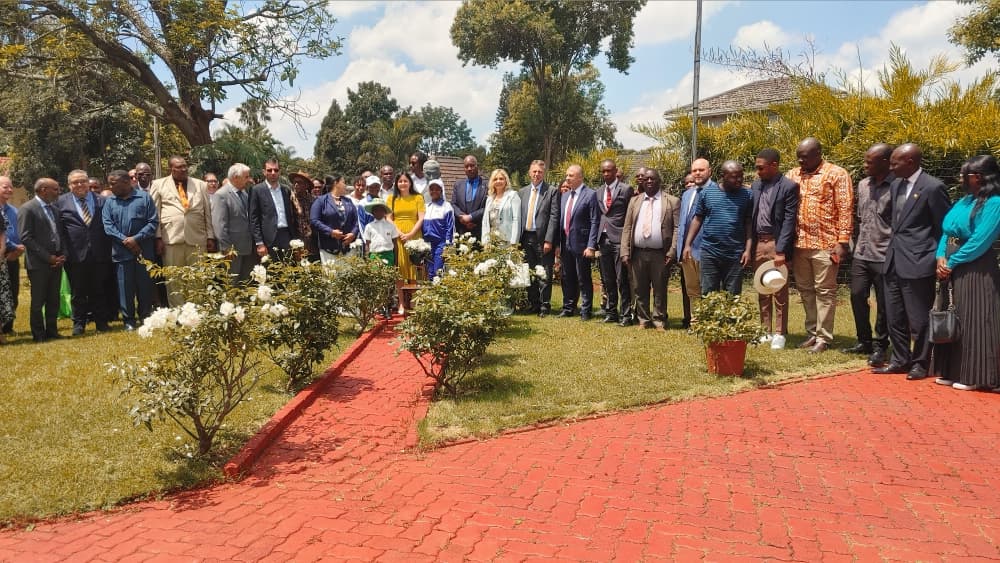
Mr Ngoma also credited strong bilateral relations for enabling Zimbabweans to access scholarships and professional training in Cuba.
“As ZiCuFA, we remain grateful for the relationship that has allowed many Zimbabweans to acquire professional qualifications in Cuba. We will continue strengthening this friendship,” he said.
The commemorations brought together diplomats, political leaders and civic organisations, underscoring the enduring political, cultural and ideological bonds between Zimbabwe and Cuba, anchored in shared liberation histories and a common stance against sanctions and external interference.



