Online Reporter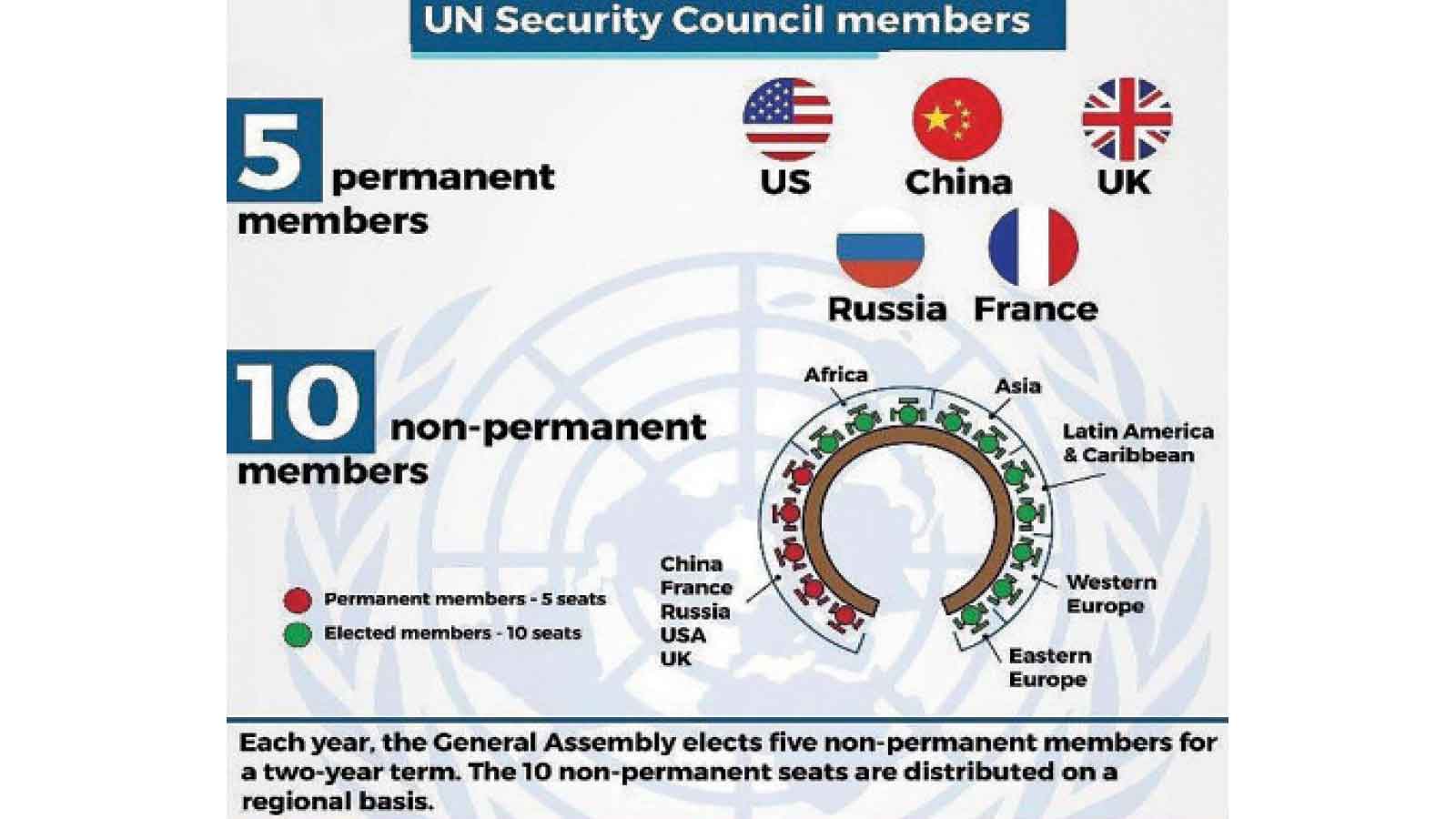
Alexander Rusero-Herald Correspondent
ZIMBABWE’S bid for a non-permanent seat on the United Nations Security Council is not an act of vanity, nor is it a diplomatic indulgence.
It is a strategic assertion of relevance at a moment when the global order is convulsing, fragmenting, and increasingly hostile to the interests of the Global South.
Every well-meaning Zimbabwean, across political, social and ideological divides, should rally behind this bid, not because Zimbabwe seeks prestige, but because the world needs principled, experienced, and unafraid voices that can speak for peace, justice, and balance in an age of renewed imperial manoeuvring.
The world today is unstable in ways that are both familiar and dangerously new. Great-power rivalry has returned, multilateralism is under strain, and conflicts are proliferating with devastating consequences for vulnerable regions. From the weaponisation of sanctions to proxy wars and selective interpretations of international law, global governance is increasingly shaped by power rather than principle.
In this environment, the Global South, and Africa in particular remains disproportionately exposed. Decisions taken in distant capitals continue to disrupt economies, inflame conflicts, and undermine development trajectories.
This is precisely why Africa cannot afford silence or passivity in the world’s most consequential security forum.
Zimbabwe’s candidature must be understood in this context. A non-permanent seat on the Security Council is not merely about occupying a chair; it is about shaping conversations, influencing outcomes, and injecting lived experience into global decision-making. Zimbabwe brings to the table a hard-earned understanding of sovereignty, peacebuilding, and the costs of exclusion from global systems.
It knows, perhaps better than many, how international politics can be weaponised and why global peace requires voices that are not beholden to imperial interests. Critically, Zimbabwe is not new to global engagement. Without rehearsing history for nostalgia’s sake, it must be stated plainly that Zimbabwe has long asserted the ideals of global justice, equitable international relations, and a de-racialised world order.
These are not abstract slogans but enduring commitments that remain urgently relevant. In an era where international law is applied selectively and the rules-based order is increasingly rules-optional for the powerful, the Security Council needs states that are willing to speak uncomfortable truths without fear or favour.
The case for Zimbabwe is further strengthened by its demonstrated regional leadership. Its recent stewardship of the Southern African Development Community (SADC) chairpersonship was not symbolic; it was practical and results-oriented.
Zimbabwe approached the role with sobriety, diplomatic maturity, and an emphasis on consensus-building in a region that is itself grappling with political transitions, security challenges, and economic pressures.
Steering SADC in such a climate required precisely the skills the Security Council demands in form of restraint without weakness, dialogue without naïveté, and principle without provocation.
Those skills matter because today’s conflicts are rarely resolved through force alone. They require patient diplomacy, contextual understanding, and respect for local realities, qualities often absent in externally imposed solutions.
Zimbabwe’s contribution would be to advocate for conflict management approaches that prioritise dialogue, regional ownership, and preventive diplomacy over militarisation and coercion. This is not idealism; it is pragmatism born of experience.
Some critics will argue that Zimbabwe should first “fix its house” before seeking global responsibility. This argument is both simplistic and self-defeating. Global governance is not a reward reserved for the flawless; it is a shared responsibility, especially for states that understand the consequences of exclusion and marginalisation.
Moreover, engagement at the highest levels of multilateral diplomacy can itself reinforce domestic reform, policy discipline, and international accountability. Retreating from global platforms does not strengthen nations, it weakens them.
At a time when the Security Council’s legitimacy is openly questioned due to deadlock, double standards, and under-representation, the presence of credible Global South voices is not optional; it is essential.
Zimbabwe’s unashamed willingness to assume responsibility as a spokesperson for the Global South should be welcomed, not feared. Africa needs countries that can articulate its interests clearly, resist external coercion calmly, and build bridges across ideological divides without surrendering principle.
Importantly, Zimbabwe’s bid is not anti-anyone; it is pro-peace. It is not about creating enemies, but about avoiding a world where decisions affecting billions are made by a few. The current global convulsions, geopolitical rivalry, economic fragmentation, climate-linked insecurity, demand inclusive solutions.
Zimbabwe’s presence would help rebalance debates that too often marginalise African perspectives or reduce the continent to a problem rather than a partner.
Rallying behind this bid, therefore, is an act of national maturity. It signals confidence in Zimbabwe’s capacity to contribute constructively to global affairs. It affirms that Zimbabwe sees itself not as a passive recipient of global decisions but as an active shaper of them.
For citizens, this is an opportunity to support a vision of Zimbabwe that is outward-looking, responsible, and engaged with the world on its own terms.
Ultimately, the Security Council needs pragmatic doers, states that understand that peace is built through negotiation, patience, and respect for sovereignty. Zimbabwe fits this profile. Its bid represents a return to where it belongs, at the table where peace and security are debated, contested, and defended.
In supporting this candidature, Zimbabweans are not merely backing a diplomatic campaign; they are endorsing a role for their country as a principled actor in a turbulent world, one committed to peace, justice, and the dignity of all nations.