

 Online Reporter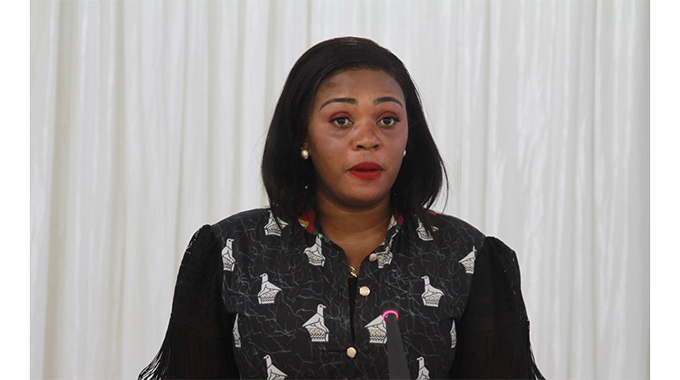
Ivan Zhakata
Zimpapers Correspondent
Zimbabwe is engaging global technology companies Google and Meta in efforts to unlock online monetisation opportunities for local digital content creators.
This comes as the Government steps up its digital economy drive under the National Development Strategy 2 (NDS2) and seeks to expand income streams for young innovators.
The move was confirmed by Information Communication Technology, Postal and Courier Services Minister Tatenda Mavetera, following her appointment to the newly established Africa Artificial Intelligence (AI) Council, a high-level body formed under the Smart Africa initiative to guide the continent’s AI policy and innovation agenda.
In an interview, Minister Mavetera said the Government is in ongoing discussions with major digital platforms to address long-standing limitations that have prevented Zimbabwean content creators from earning revenue from their online work.
“We have had a lot of conversations with the Minister of Information, where we have our local digital content creators wanting to also monetise their content,” she said.
“So we have engaged the likes of Google, the likes of Meta, to find ways that our local content creators can monetise their content.”
Zimbabwean digital creators have struggled to access monetisation tools such as advertising revenue, subscriptions and creator funds, which are available to users in other markets.
Minister Mavetera said progress has been slow due to platform policies and regulatory considerations.
“There has been limitations to that and the conversation is ongoing,” she said.
Government has since introduced a dedicated programme to support digital creators, including the development of local platforms to enable revenue generation from online content.
“We have a programme that is dedicated to the monetisation of local content creators, having at least a platform where they can be able to monetise the content that they have,” Minister Mavetera said.
Zimbabwe is looking to examples in other African countries to shape its approach.
In South Africa, digital monetisation is already a rapidly growing sector, with total consumer spending across gaming, music streaming, over-the-top (OTT) video and live music projected to reach nearly R11.1 billion (US$598 million) in 2024.
Individual creators there are earning substantial revenue with YouTube creators, for instance, earning around R270 per 1 000 ad views, while some social media creators on platforms like X report monthly payouts exceeding US$1 000 (R18 500) through Creator Revenue Sharing and brand partnerships.
Spotify alone is expected to pay South African artists R400 million in 2024.
“The experiences from countries like South Africa show the potential of digital platforms to generate income for creators and stimulate the local digital economy,” Minister Mavetera said.
Her appointment to the Africa AI Council is expected to strengthen Zimbabwe’s participation in continental policy discussions on artificial intelligence, which increasingly influence content creation, distribution, and monetisation models.
The Africa AI Council was established by the Smart Africa Board to guide AI development across the continent, focusing on governance, ethical standards and inclusive economic growth.
Zimbabwe’s engagement at the continental level aims to ensure that emerging technologies, including AI-driven digital platforms, deliver sustainable income opportunities for local innovators and prevent African creators from being sidelined in the global digital economy.



